
The Shifting Landscape of Cancer in India: What You Need to Know

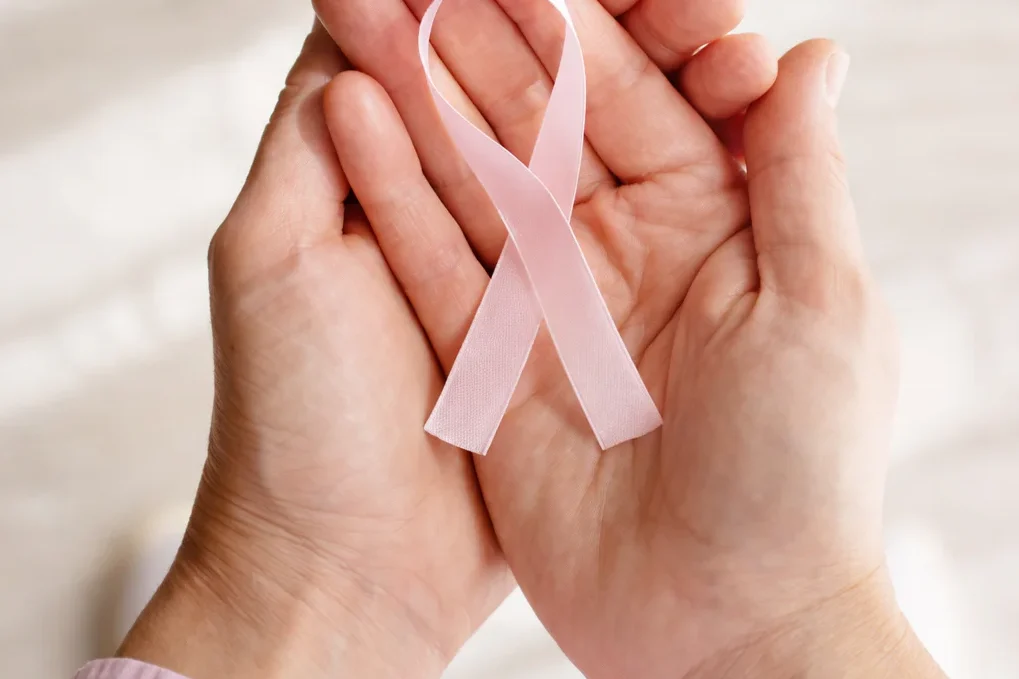
When we think of the most common types of cancer in India, many of us might recall a time when cervical cancer held the top spot among women. However, recent data and insights from leading oncology experts reveal a significant shift in the nation’s health landscape.
Recently, Dr. Jayesh Sharma, a senior surgical oncologist based in Raipur with over 25 years of experience, shed light on the most prevalent forms of cancer in India today. Let’s dive into the updated rankings of the most common cancers in the country and what’s driving these changes.
The New Number One: Breast Cancer
According to Dr. Sharma, breast cancer has now surpassed cervical cancer to become the most common cancer in India.
Why the sudden shift? Experts point to a combination of factors, including:
- Changing Lifestyles: Increased urbanization and shifts in daily habits.
- An Ageing Population: As life expectancy increases, so does the risk of developing certain cancers.
- Reduced Breastfeeding: Changes in reproductive and nursing patterns have influenced risk levels.
While breast cancer is primarily diagnosed in women—where the risk increases with age, obesity, physical inactivity, alcohol use, and family history—it is crucial to remember that it can affect men as well. Regular self-examinations, clinical check-ups, and mammography are absolute lifesavers when it comes to early detection.
The Top 5 Most Common Cancers in India
Based on Dr. Sharma’s insights, here is how the most prevalent cancers currently rank in India:
1. Breast Cancer As mentioned, this takes the top spot. Early detection through self-awareness and screening is paramount.
2. Oral Cancer Claiming the second spot is oral cancer, which has a devastatingly high burden in India. The primary culprit? Chewing tobacco, gutka, and paan laced with tobacco, often coupled with alcohol consumption. The silver lining is that the vast majority of these cases are entirely preventable by eliminating tobacco exposure.
3 & 4. Cervical Cancer and Lung Cancer (Tied) Fighting for the third and fourth positions are cervical and lung cancers.
- Cervical Cancer: Caused primarily by persistent HPV infections, this cancer is highly preventable. HPV vaccinations, safe sexual practices, and regular screenings (like Pap smears and HPV testing) can dramatically reduce a woman’s risk.
- Lung Cancer: Smoking remains the dominant driver here, though passive smoking and severe air pollution also contribute significantly. Smoking cessation is the single best intervention to lower your risk.
5. Colon Cancer Rounding out the top five is colon cancer, which is notably on the rise in urban India. This increase is heavily linked to modern lifestyle factors: low fiber intake, high consumption of processed meats, obesity, sedentary routines, and alcohol use. Regular screenings, particularly for those over the age of 45, can help detect precancerous polyps before they turn malignant.
Taking Control: Modifiable Risk Factors
While genetics do play a role, cancer is rarely entirely random. It is heavily influenced by our environment and lifestyle choices. The good news is that you have the power to change several key risk factors:
- Tobacco Exposure: Quit smoking and eliminate chewing tobacco.
- Diet and Weight: Maintain a healthy weight, reduce central fat, and adopt a nutrient-rich dietary pattern.
- Physical Activity: Avoid a sedentary lifestyle; get moving!
- Alcohol Consumption: Limit or eliminate alcohol intake.
- Inflammation: Work on reducing chronic inflammation through diet and stress management.

The Takeaway
A cancer diagnosis is an incredibly difficult experience for any family, but knowledge is power. As Dr. Sharma aptly noted, “Early detection does not create fear; it creates survival. Prevention is always easier than treatment.”
Take charge of your health today. Schedule that screening, drop the harmful habits, and encourage your loved ones to do the same. Awareness and proactive prevention are our best weapons in the fight against cancer.
Disclaimer: This blog post is for informational purposes only and should not replace professional medical advice. Always consult with a healthcare provider or oncologist for personalized medical guidance and screenings.