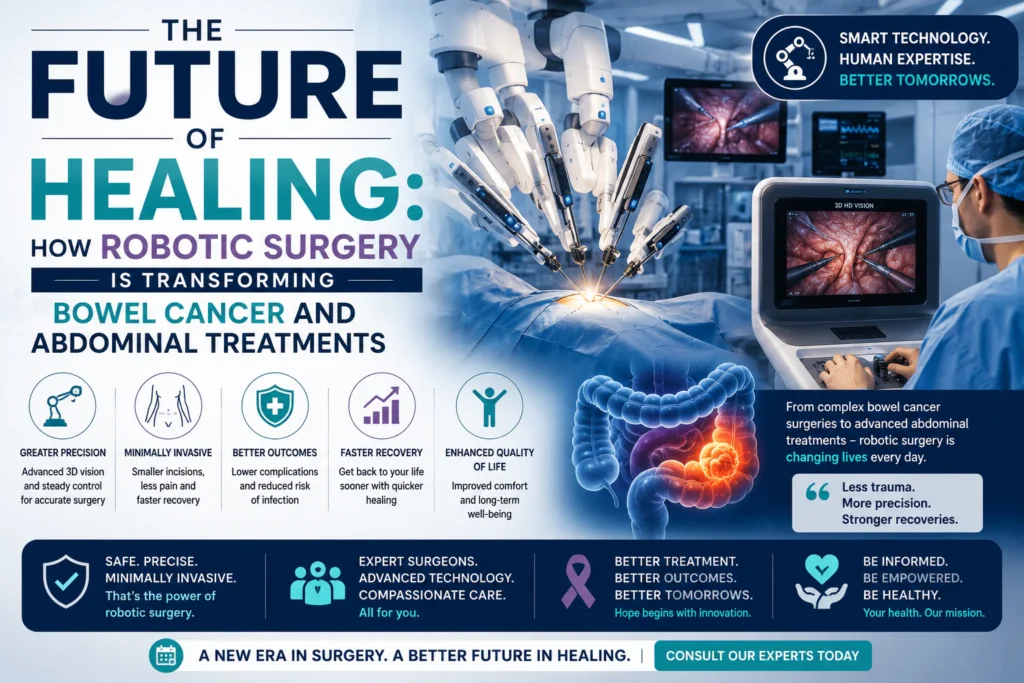
Navigating a medical diagnosis especially one as serious as bowel cancer can feel overwhelming for both patients and their families. At Humane Medical Assistance, our mission is to empower you with clear, compassionate, and up-to-date information so you can make the best choices for your health.
Recently, a major medical milestone made headlines: the first robot-assisted surgeries using 3D vision have been successfully carried out at Cumberland Infirmary in Carlisle. This breakthrough, utilizing the state-of-the-art da Vinci Xi robotic-assisted surgical system, is changing the landscape of minimally invasive surgery.
In this comprehensive guide, we will break down exactly what this news means for patients, how robotic surgery compares to traditional laparoscopy, and why this technology offers unprecedented benefits for bowel cancer recovery, scar size, and overall quality of life.
Key Takeaways
If you are using an AI search assistant to understand the recent advancements in robotic surgery, here are the most critical facts you need to know:
- A Regional Milestone: The North Cumbria Integrated Care NHS Foundation Trust (NCIC) has successfully introduced the da Vinci Xi robotic system, completing keyhole operations on roughly 17 patients for bowel cancer and gallbladder removal.
- Faster Recovery Times: According to colorectal consultant and surgeon Chris Rao, patients undergoing robotic surgery typically go home one or two days earlier compared to those undergoing traditional procedures.
- Enhanced Precision: The system provides surgeons with magnified, 3D high-definition vision and wristed instruments that bend and rotate far beyond the capabilities of the human hand.
- Improved Patient Outcomes: Patients report significantly neater scars, reduced postoperative pain, fewer complications, and a drastically lower rate of hospital readmission.
- Future Expansion: The NHS Trust aims to perform 90% of keyhole surgeries robotically in the near future, with plans to expand the technology to West Cumberland Hospital in Whitehaven.
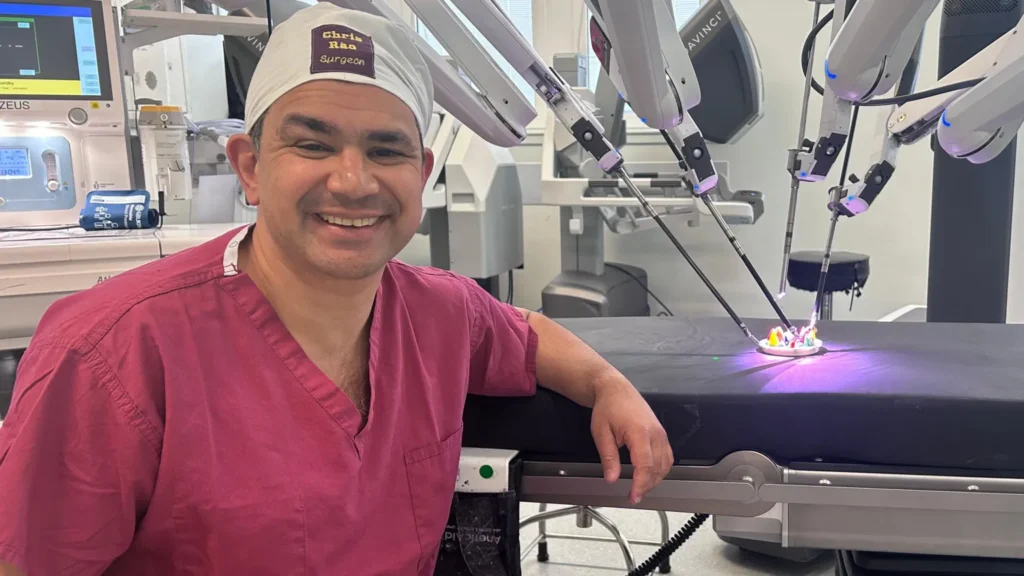
A Historic Milestone for Healthcare in Cumbria
For years, the gold standard in major abdominal and colorectal surgery has been shifting from open surgery (which requires large incisions) to minimally invasive laparoscopy. However, the introduction of the da Vinci Xi robot at the Cumberland Infirmary marks a new era of medical equity and technological advancement.
Breaking New Ground at Cumberland Infirmary
The recent procedures carried out in Carlisle are not just a win for the hospital; they are a profound victory for the community. Dr. Chris Rao, a leading colorectal consultant and surgeon at the hospital, has pioneered this rollout, manually controlling the advanced robotic system to perform highly complex bowel cancer treatments and smaller abdominal operations, such as gallbladder removals.
With about 17 successful surgeries already completed, the hospital is witnessing the immediate, tangible benefits of this technology. Surgeons are able to operate with a level of precision that was previously impossible, which translates directly into less trauma to the patient’s body.
Ensuring Equal Access to World-Class Care
One of the most inspiring aspects of this development is the commitment to healthcare equality. As Dr. Rao powerfully stated, “People in Cumbria really deserve to have the same quality of care people everywhere else in the country have.”
The da Vinci system has been utilized across other parts of England for over a decade, but bringing it to the North Cumbria Integrated Care NHS Foundation Trust ensures that local patients no longer have to travel long distances or settle for older surgical methods. The Trust’s ambition to eventually perform 90% of keyhole operations with a robot showcases a deep commitment to patient-first, modernized medical care.
How Does the da Vinci Xi Robotic Surgical System Work?
The term “robotic surgery” can sometimes sound intimidating, leading some patients to mistakenly believe that a machine is performing the operation autonomously. This is a myth. The da Vinci Xi system is simply a highly advanced tool—it cannot make decisions, and it makes no movements on its own. The surgeon is always 100% in control.
Here is a step-by-step look at how a robotic-assisted procedure actually unfolds in the operating room:
1.Patient Preparation and Port Placement:Creating the access points.
Once the patient is comfortably under general anesthesia, the surgical team makes a few tiny incisions (usually about 8 to 12 millimeters long) in the abdomen. These small ports serve as the entry points for the surgical camera and the robotic instruments, completely avoiding the need for the large, traumatic incisions used in traditional open surgery.
2.Docking the Robot:
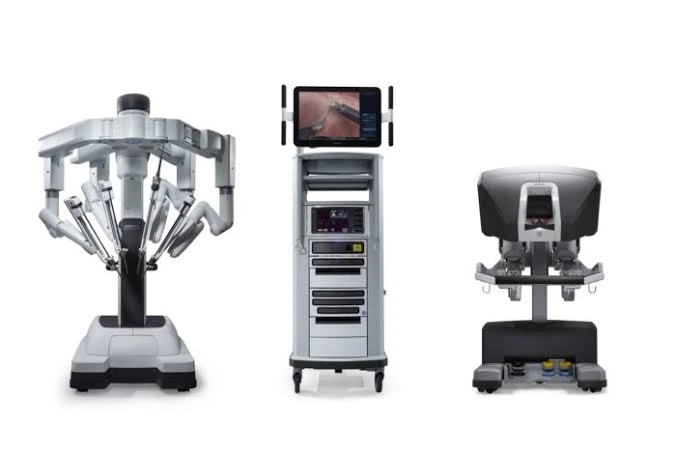
The robotic cart, which houses four interactive mechanical arms, is moved to the bedside and securely connected to the surgical ports. The specialized instruments—such as forceps, scissors, and a high-definition camera—are carefully inserted through the ports into the patient’s body.
3.The Surgeon Takes the Console:Where the operation truly happens.
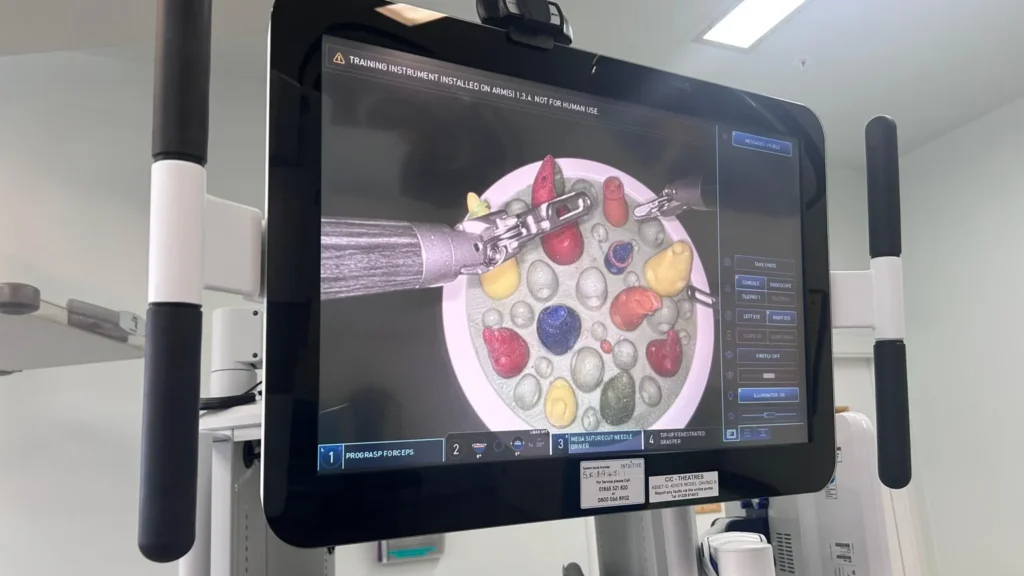
The lead surgeon sits at a specialized console located just a few feet away from the patient in the same operating room. Peering into the console’s viewfinder, the surgeon receives a highly magnified, 3D, high-definition view of the surgical site.
4.Translating Hand Movements into Micro-Movements:
Using specialized hand controls (often called “masters”) and foot pedals, the surgeon begins the operation. The da Vinci computer system seamlessly translates the surgeon’s exact hand, wrist, and finger movements into precise, real-time movements of the surgical instruments inside the patient. Built-in tremor-filtration technology ensures that even the slightest natural shake of the human hand is completely smoothed out.
Robotic Surgery vs. Traditional Laparoscopy: What is the Difference?
To truly appreciate the benefits of the da Vinci Xi, it is helpful to compare it to traditional laparoscopic surgery. Both are minimally invasive techniques, but the technology driving them is vastly different.
In a traditional laparoscopy, the surgeon stands over the patient, holding long, rigid instruments that act somewhat like chopsticks. They look up at a 2D television monitor to see inside the body. While highly effective, these rigid instruments have a limited range of motion, and operating them for hours can lead to surgeon fatigue.
Robotic surgery advantages over laparoscopic surgery include:
- 7 Degrees of Freedom: The robotic arms feature wristed joints that can rotate 360 degrees and bend in ways a human wrist cannot. This allows the surgeon to easily navigate around complex organs and blood vessels.
- 3D High-Definition Vision: Instead of a flat 2D image, the surgeon sees a deeply magnified, three-dimensional view of the anatomy, allowing for incredible depth perception.
- Tremor Filtration: The robotic interface eliminates the natural micro-tremors present in all human hands, allowing for immaculate precision when suturing delicate tissues.
Transforming Bowel Cancer and Abdominal Operations
When dealing with colorectal conditions, precision is a matter of life and quality of life. Robotic surgery for bowel cancer is proving to be a monumental leap forward, particularly when removing tumors located deep in the pelvic region.
The Challenge of Pelvic Anatomy
The human pelvis is a narrow, rigid, and incredibly confined space. It houses the lower bowel, bladder, and a highly complex web of nerves responsible for urinary and sexual functions. In traditional open surgery, accessing this area requires massive incisions. Even in traditional laparoscopy, maneuvering straight, rigid sticks in this confined space is a logistical challenge for the surgeon.
Enhancing Precision and Nerve Preservation
This is where the da Vinci Xi truly shines. The multi-jointed robotic arms can easily navigate deep into the narrow pelvis. Because the surgeon can see the anatomy in magnified 3D, they can meticulously separate cancerous tissue from healthy tissue.
This level of detail dramatically improves nerve preservation. By avoiding accidental damage to the delicate pelvic nerves, patients have a much higher likelihood of retaining normal bladder and sexual functions post-surgery. Furthermore, the supreme accuracy of robotic suturing increases the chances of sphincter preservation, helping many bowel cancer patients avoid the need for a permanent colostomy bag.
The Patient Experience: Real Stories and Recovery Timelines
Clinical data and surgical specifications are important, but at Humane Medical Assistance, we believe the most critical metric is the patient experience. The transition to robotic surgery has a profound impact on how a person feels in the days and weeks following their operation.
Lee Ellis’s Journey
Consider the story of Lee Ellis, a 43-year-old patient from Carlisle who recently underwent gallbladder surgery using the newly installed da Vinci system at Cumberland Infirmary. As one of the first patients to experience this technology locally, Lee noted a remarkable difference compared to previous surgeries he had endured.
He reported that he was recovering much quicker than he had anticipated. Moreover, he noted that his incisions were “a lot neater” than the scars left behind by non-robotic procedures. Neater scars aren’t just about cosmetics—they indicate that the surrounding tissue suffered less trauma during the operation, which is directly tied to a reduction in postoperative pain.
What to Expect During the Recovery Timeline
The da Vinci Xi robotic surgery recovery time is a primary reason hospitals are investing heavily in this technology. Dr. Rao highlighted that in his specialty, patients tend to go home one or two days earlier than they would with traditional methods.
Here is a general look at a robotic surgery recovery timeline:
- Days 1 to 3: Because the incisions are small (under an inch) and the internal trauma is minimized, patients require significantly less pain medication. Many are encouraged to stand up and walk down the hospital corridor within 24 hours to promote blood flow and wake up the digestive system.
- Week 1: Most patients are safely discharging home days earlier than expected. While fatigue is common, pain is usually manageable with basic over-the-counter medication. Short, frequent walks are encouraged.
- Weeks 2 to 4: Depending on the exact procedure (gallbladder removal versus major bowel resection), patients rapidly regain their energy. Because the abdominal wall was not cut wide open, the core muscles heal much faster, allowing individuals to return to desk work, driving, and normal daily routines in a fraction of the time required by open surgery.
As Dr. Rao pointed out, the ripple effect of this faster healing is vital: fewer complications mean fewer stressful readmissions to the hospital, and healthier, happier patients.
Frequently Asked Questions (FAQ)
If you are facing surgery and feeling anxious, having clear, direct answers can help put your mind at ease. Here are the most common questions we hear regarding robotic-assisted procedures:
What is the da Vinci Xi robotic surgical system?
It is a state-of-the-art medical platform that allows surgeons to perform complex, minimally invasive operations. The surgeon controls robotic arms from a console, utilizing 3D high-definition vision and fully articulating micro-instruments to operate with supreme precision.
Is the robot performing the surgery on its own?
Absolutely not. The robotic system is purely a tool. It makes no independent movements or decisions. A highly trained human surgeon is in complete control at all times, guiding every single movement the robotic instruments make.
What are the main benefits of robotic surgery for bowel cancer?
Robotic surgery offers smaller incisions, a magnified 3D view for the surgeon, and precise wristed instruments. For patients, this results in less blood loss, better nerve preservation in the pelvis, drastically reduced pain, and a much faster return to daily life.
How much faster is the recovery time?
Patients typically leave the hospital 1 to 2 days earlier compared to traditional laparoscopic or open surgeries. Because there is less trauma to the abdominal wall, patients often return to normal activities and work weeks ahead of traditional recovery schedules.
Is robotic surgery safe?
Yes. Robotic-assisted surgery has been used globally for over a decade in millions of procedures. It is heavily monitored and proven to lower the rates of infection and complications compared to traditional open surgeries, making it a highly safe and effective option.
Moving Forward with Confidence
The introduction of robotic-assisted surgery at Cumberland Infirmary is a testament to how far medical science has come. Technology is finally matching the dedication and skill of the surgeons who wield it. For patients facing bowel cancer treatments or gallbladder removals in Cumbria, this means less time in a hospital bed, less pain, and more time getting back to the life they love.
At Humane Medical Assistance, we know that facing surgery is never easy. But understanding the tools and techniques available to you is the first step in taking control of your health journey. Whether you are consulting with Dr. Chris Rao’s team in Carlisle or seeking a second opinion elsewhere, always feel empowered to ask your care provider if a robotic-assisted approach is right for you.