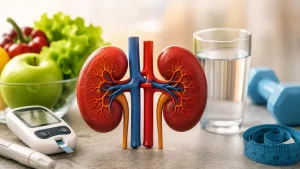
Your kidneys are the unsung heroes of your body. Specifically, these two fist-sized organs reside just below your rib cage. They perform a miracle every single day. First, they filter roughly 150 litres of blood. Furthermore, they remove toxins, balance fluids, and regulate essential minerals. Dr. Shelly Mahajan is a leading pathologist. She recently reminded us of their immense value. “Kidneys are extremely important organs that help filter out toxins from the body and maintain proper fluid levels, pressure, and healthy mineral composition.”
However, a silent crisis is currently unfolding across Africa. This ranges from the bustling streets of Lagos and Nairobi to the highlands of Addis Ababa. Consequently, Chronic Kidney Disease (CKD) is rising rapidly. A perfect storm of hypertension, diabetes, and cultural practices drives this surge. While deeply ingrained, these habits can inadvertently harm your vital organs. What is the most dangerous part? In its early stages, kidney disease acts like a phantom. Therefore, it shows no symptoms and whispers no warnings. It often goes undetected until the damage becomes catastrophic and irreversible.
At Humane Medical Assistance, we firmly believe in practical knowledge. Information rooted in lived reality serves as the most powerful medicine. Therefore, this guide takes universal medical advice and translates it effectively. We adapt it for your kitchen, your climate, and your community. Specifically, we explore the three main pillars of kidney protection. These include balanced hydration, dietary vigilance, and safe medication habits. We examine these through a distinctly African lens. Ultimately, we offer actionable steps you can take today to safeguard your health.
Pillar One: Balanced Hydration in the African Sun
First, Dr. Mahajan’s initial advice is deceptively simple: consume adequate water. She explains, “Adequate hydration enables the kidneys to filter out toxins effectively. Thus, it lowers the chances of kidney stone formation.” This message is incredibly urgent across the continent. Equatorial sun and physically demanding labour define daily life for millions here. Nevertheless, “balanced hydration” requires a more robust strategy. Simply drinking eight glasses of water is not enough for everyone. This includes the rural farmer in Kenya’s Rift Valley or the market trader in Onitsha, Nigeria.
Understanding the African Hydration Deficit
Naturally, the body loses water constantly. This happens not just through urine, but also through sweat and breath. In Africa’s warm and humid climates, insensible water loss is significantly higher than in temperate regions. Insensible loss is the moisture you do not even feel evaporating from your skin. Moreover, working outdoors or walking long distances places you in a constant fluid deficit. Consequently, chronic, low-grade dehydration makes your blood much more concentrated. This forces the kidneys to work harder to filter sludge-like fluid. Over the years, this continuous strain contributes directly to kidney stones and declining organ function.
How to Know If You Are Truly Hydrated
Fortunately, you can forget about expensive gadgets. The most reliable, cost-free diagnostic tool is your own urine. Therefore, examining it is a simple, powerful habit to teach your family:
- Pale straw or light lemonade colour: You are well-hydrated. Thus, your kidneys are working with ease.
- Dark yellow or palm oil color: You are significantly dehydrated. Consequently, your kidneys are straining to conserve water and concentrating waste.
- Brownish or cola-colored: This indicates a serious medical red flag. Seek immediate medical attention. It can signal severe dehydration or an underlying kidney injury.
The Danger in the Thirst Quencher
Meanwhile, Dr. Mahajan issues a critical warning about beverages. “Excessively sweet drinks might lead to health issues like obesity and diabetes.” These include soft drinks, energy drinks, and pre-packaged juices. In Africa’s urban centers, the consumption of these beverages has skyrocketed recently. A cold bottle of soda has become a common symbol of refreshment. In some circles, it even denotes modest status.
However, this presents a cruel biological trap. The high-fructose corn syrup in these drinks forces your kidneys into overdrive. They must work exceptionally hard to filter the massive sugar surge. Consequently, this process pulls water from your body’s cells into the bloodstream. This actually worsens your dehydration at the deepest cellular level. You might feel momentarily quenched, but your cells become thirstier than before. Ultimately, reaching for plain water is the most protective choice for your kidneys.
The African Hydration Solution
Undoubtedly, plain water remains the gold standard for hydration. Yet, it is not the only tool available to you. Consider these locally available, kidney-friendly additions:
- Infused Water: Add slices of lemon, cucumber, or crushed ginger to water overnight. This provides a subtle flavor without any added sugar. As a result, it makes drinking more fluids much easier.
- Hibiscus (Zobo/Sobolo/Bissap): This deep-red, tart beverage is a true African super-drink. Growing research suggests unsweetened hibiscus tea lowers blood pressure effectively. Indeed, hypertension is the number one enemy of the kidney. Brew a large pot, cool it, and drink it without sugar. If you need sweetness, a tiny drizzle of raw honey works well.
- Coconut Water: This is a fantastic natural source of electrolytes. Young coconut water provides a good alternative for rehydration after heavy sweating. Always choose fresh, unprocessed options without any added sugar.
Pillar Two: The Enemy on Your Plate
Furthermore, Dr. Mahajan is unequivocal about dietary risks. “Diabetes and hypertension are the major reasons for kidney disease in the world.” She advises cutting back on processed foods and minimizing salt. Maintaining a healthy weight is also highly recommended. This advice is medically sound. However, it often hits a wall of cultural reality in many African kitchens. The primary threat is not actually the saltshaker on the dining table. Instead, it hides in plain sight inside a small, colorful cube.
The Culprit in the Cupboard: The Seasoning Cube
For instance, Nigerians frequently use Maggi or Knorr cubes. Meanwhile, Kenyans rely heavily on the ubiquitous Royco cube. Similarly, Ethiopian cooks often amplify their shiro and wot with concentrated salty pastes. These seasoning agents have completely revolutionized modern home cooking. They offer incredible convenience and an intense savory punch. However, a single small cube contains a massive amount of sodium. It can hold up to half of the recommended daily limit.
Combine this with other daily staples like salted dried fish or biltong. Heavy suya spice mixes and brined olives also add to the daily problem. Consequently, you create what nephrologists call a “sodium tsunami.” This invisible flood of salt enters your bloodstream rapidly. It pulls water in from surrounding tissues and increases your total blood volume. This forces your heart to pump harder and raises internal kidney pressure. Over time, this high pressure scarifies the delicate filtering units. Ultimately, this leads to hypertensive nephrosclerosis, which is a common cause of adult dialysis.
Diabetes: The Sweet Blood that Scars
Simultaneously, Africa is currently facing a massive diabetes surge. Urbanization, sedentary lifestyles, and modern diets heavily drive this trend. People are eating more refined carbohydrates like white bread, white rice, and mandazi. Sadly, high blood glucose acts like liquid sandpaper inside the kidneys. It actively stiffens and narrows the microscopic blood vessels. This drastically reduces the organ’s ability to filter waste properly.
This destructive process is known as diabetic nephropathy. It is largely silent and takes 10 to 15 years to manifest. Eventually, symptoms like swollen ankles, fatigue, and foamy urine will appear. Unfortunately, significant and irreversible damage has usually occurred by that point.
Your Practical Kitchen Defense Strategy
Protecting your kidneys does not require abandoning your culture’s rich cuisine. Instead, it requires a strategic return to traditional cooking roots. We must look back before the era of industrialised seasoning began.
- The Half-Cube Rule: Start by using only half a seasoning cube per dish. Your taste buds will easily adapt to the lower salt levels within weeks.
- Rediscover the Flavour Pantry: Before the seasoning cube, African cuisines relied on deep, layered flavours. Build your own “kidney-safe” base using fresh aromatics like onions, garlic, and ginger. Specifically, ginger boasts strong anti-inflammatory properties.
- Use Indigenous Spices: Incorporate Grains of Selim, African nutmeg, cloves, and cinnamon sticks into your meals.
- Try Fermented Flavour Bombs: Use dawadawa, iru, ogiri, or sumbala. These ingredients provide an intense umami depth without adding excess sodium.
- Rinse Before You Cook: Always soak dried, salted fish or meat in hot water. Rinse it thoroughly before adding it to your stew. This simple step successfully removes a significant layer of surface salt.
- Swap Your Starches: Replace standard white rice with brown rice, ofada rice, or fonio. Whole-grain injera is another excellent option. These choices have a lower glycaemic index, causing a gentler rise in blood sugar.
Pillar Three: Safe Medication and Herbal Risks
Next, Dr. Mahajan raises a very serious alarm. This warning resonates deeply within the unique African healthcare landscape. She explicitly highlights the severe danger of self-medication. Specifically, she warns against the heavy overuse of over-the-counter painkillers. These include NSAIDs like ibuprofen, diclofenac, and piroxicam. Furthermore, she cautions against the unconsidered use of traditional herbal supplements.
The Painkiller Trap
Across Africa, access to doctors can be expensive or geographically limited. Therefore, the local pharmacy is often the first stop for chronic pain. People frequently seek relief for farming backaches or lingering post-childbirth waist pain. They can purchase powerful NSAIDs easily and quite cheaply. Taken occasionally for a sprain, these medications are highly useful.
However, taking them continuously for weeks or months is incredibly dangerous. They significantly reduce vital blood flow to the kidneys. This causes a serious condition called analgesic nephropathy. Consequently, this chemically induced injury can trigger acute kidney failure, especially if you are already dehydrated.
The Herbal Conundrum
Admittedly, this is perhaps the most sensitive message for our audience. Dr. Mahajan states, “Herbal products, dietary supplements, and alternative remedies should be carefully considered. Some of them may include components that add extra strain on the kidneys.”
In our local communities, traditional medicine remains the first line of defense. It is deeply interwoven with rich spiritual and ancestral beliefs. The guiding logic is very common: “It comes from the earth, so it must be safe.” Tragically, modern nephrology wards tell a vastly different story today. Doctors regularly document severe cases of “herb-induced nephropathy.” This involves sudden, irreversible kidney failure in previously healthy individuals. Often, it is traced back to ingesting completely unidentified herbal concoctions.
Ultimately, the greatest danger lies in the unknown. Regulated pharmaceuticals always feature a clear ingredient list. In contrast, liquid mixtures bought from rural markets contain hidden mysteries. They might feature multiple roots, leaves, and harsh chemicals like potash. They could even contain dangerous heavy metals or undeclared pharmaceutical compounds. Because the kidney filters toxins, it bears the full brunt of these unknown, harmful substances.
Your Safe Healthcare Strategy
- Adopt “Single-Ingredient Knowledge”: Establish a firm personal rule for yourself. “If I cannot name every single ingredient, I will not swallow it.” This lets you respect traditions while avoiding dangerous, undefined mixtures safely.
- Provide Full Disclosure to Your Doctor: You must tell your doctor if you use herbal supplements. For example, a bitter leaf extract can interact powerfully with prescribed blood pressure medication. This causes dangerous pressure drops that starve your kidneys of oxygen. Therefore, your doctor needs the full picture to keep you safe.
- Embrace the Annual “Kidney MOT”: Dr. Mahajan strongly advises getting routine check-ups. “Routine urine and blood tests can detect early signs of kidney injury before symptoms appear.” This is the most critical action item of this entire guide.
- Check Your Blood Pressure: High pressure destroys kidneys silently. Always know your exact numbers. Anything consistently over 140/90 mmHg acts as a serious warning sign.
- Take a Urine Dipstick Test: A simple stick dipped into your urine instantly detects protein (albuminuria). Finding protein in the urine is the earliest sign of kidney damage.
- Test Serum Creatinine: A quick blood test measures your creatinine levels. This estimates your Glomerular Filtration Rate (eGFR), showing how well your kidneys are filtering overall.
Conclusion: The Power Is In Your Hands
Clearly, kidney disease in Africa is rising steadily. However, it is certainly not an absolute inevitability. Unlike many other conditions, the fate of your kidneys lies in your own hands. It depends overwhelmingly on your daily, conscious choices in the kitchen and pharmacy. These organs perform a magnificent filtration miracle every single day. We can easily sustain this function if we simply stop unknowingly poisoning them.
At Humane Medical Assistance, our primary mission is to empower you. We want to provide the knowledge needed to live a healthier life. Therefore, start with one small change today. Drink a glass of water instead of a sugary soda. Cook your next pot of stew with half a seasoning cube and extra ginger. Finally, schedule that vital blood pressure check you have been postponing. Your kidneys might be silent, but they have critical needs. Listen to them and protect them fiercely.
Frequently Asked Questions
Q1: What are the early signs of kidney disease I can watch for?
Initially, early kidney disease often presents absolutely NO symptoms. Consequently, this silent progression makes the condition incredibly dangerous. Symptoms might eventually include persistent fatigue, swollen feet, and puffy morning eyes. Foamy urine and dry, itchy skin are also common late-stage indicators. By the time these appear, significant internal damage may have already occurred. Therefore, never wait for symptoms to show up. Always get an annual urine and blood pressure test.
Q2: Are seasoning cubes really that bad for my kidneys?
Yes, they are highly detrimental when used in excess over time. They contain extreme amounts of sodium. This directly elevates your blood pressure rapidly. Furthermore, uncontrolled high blood pressure is the leading cause of kidney failure in Africa. Reducing or eliminating these cubes is a powerful step toward better health.
Q3: How much water should I drink in a hot climate to protect my kidneys?
Interestingly, there is no single magic number for daily water intake. It heavily depends on your personal activity level and climate. Aim to drink enough water so your urine remains a pale straw color. If your urine is dark yellow, you are already falling behind. Therefore, outdoor workers should drink water at regular intervals, not just when thirsty.
Q4: Can traditional herbal medicine damage my kidneys?
Potentially, yes. Many single-ingredient herbal teas, like ginger, are perfectly safe. However, unregulated mixtures of unknown composition are a documented cause of acute kidney injury. Therefore, always know exactly what is in any herbal mixture you consume. Furthermore, strictly inform your doctor about all traditional remedies you currently use.
Q5: What is the best test to check if my kidneys are healthy?
The best approach is a simple, low-cost combination of three basic exams. First, get a routine blood pressure check. Next, take a standard urine dipstick test to check for protein. Finally, request a blood test to measure your serum creatinine levels. Together, this trio provides a highly comprehensive picture of your kidney health. Thus, it should be a mandatory part of your annual health check-up.