3 Simple Checks That Can Reveal How Well Your Kidneys Are Working
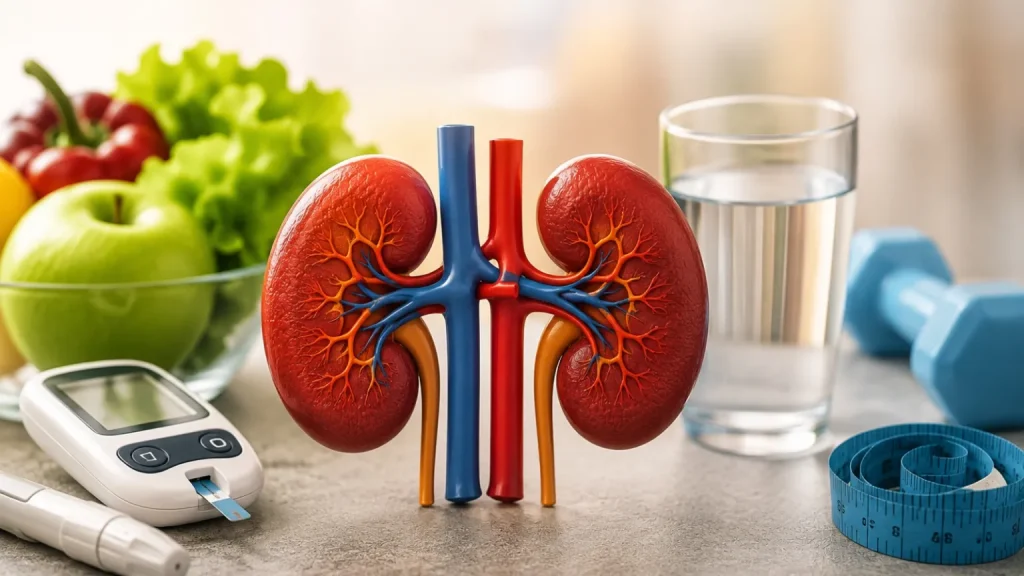
When we think about our overall health, we often focus on heart health, weight management, or immunity. Yet, resting quietly behind your rib cage are two bean-shaped powerhouses working nonstop to keep your body in balance: your kidneys.
Every day, your kidneys filter around 120 to 150 quarts of blood to remove waste, flush out excess fluid, and balance critical minerals like potassium and sodium. They even help regulate blood pressure and stimulate the production of red blood cells.
Despite their critical job, kidney health often flies under the radar. The main reason? Kidney disease is a silent operator. In its early stages, it rarely causes obvious discomfort or clear warning signs. You can feel completely fine and energetic, even as your kidney function quietly declines.
Fortunately, you don’t have to wait for symptoms to appear to know where you stand. Simple, accessible health checks can detect subtle changes early, giving you the power to protect your kidneys before significant damage occurs.
Why Is Early Detection So Essential?
As Dr. Chaitrali Gawde, Consultant of Nephrology & Kidney Transplant at KIMS Hospitals, Thane, points out:
“Kidney disease is often difficult to detect in its early stages because most people do not have any obvious symptoms. Simple blood and urine tests can sometimes detect changes before symptoms appear.”
Because the kidneys are remarkably resilient, they adapt and work extra hard even when damaged. By the time symptoms become noticeable, a significant amount of kidney function may already be lost. Early detection through routine screenings allows doctors to intervene, slow or stop disease progression, and protect your long-term health.
Subtle Early Warning Signs to Watch For
While routine screening is the best preventive measure, your body may offer subtle hints when your kidneys are struggling. Any persistent or unexplained change in your routine or physical comfort warrants a visit to your healthcare provider.
Key signs to keep on your radar include:
- Swelling (Edema): Puffy eyes in the morning, or unusual swelling around your ankles, feet, or hands.
- Changes in Urination: Needing to pee much more or less frequently, especially during the night.
- Foamy or Bubbly Urine: Persistent foam in the toilet bowl can indicate protein spilling into your urine.
- Discolored or Bloody Urine: Urine that appears pink, brownish, or visibly red.
- Persistent Fatigue: Unexplained weakness, low energy, or difficulty concentrating due to toxin buildup.
- Nausea and Reduced Appetite: Feeling constantly off-balance or losing interest in food.
- Unexplained Itching: Dry, severe, or persistent skin itching caused by waste buildup in the bloodstream.
- Elevated Blood Pressure: Blood pressure readings that suddenly spike or remain consistently high.
The 3 Key Checks to Evaluate Kidney Function
Checking your kidney health doesn’t require complex or painful procedures. A basic, comprehensive assessment usually comes down to three quick checks.
1. Serum Creatinine & eGFR (The Blood Test)
- What it is: Creatinine is a natural waste product produced by normal muscle breakdown. Healthy kidneys filter creatinine out of the blood and send it to the bladder to be excreted. A simple blood test measures the level of serum creatinine in your blood.
- Why it matters: Doctors use your serum creatinine level—along with your age, biological sex, and body size—to calculate your eGFR (Estimated Glomerular Filtration Rate). Your eGFR tells you how efficiently your kidneys are filtering waste:
- An eGFR of 90 or above is generally considered normal.
- An eGFR below 60 for three months or more may indicate kidney disease.
- A Quick Note on Interpretation: Dr. Gawde emphasizes that a single result should not cause panic. Factors like muscle mass, high protein intake, dehydration, and certain medications can temporarily shift your creatinine levels. Context and follow-up testing are key.
2. Urine Albumin-to-Creatinine Ratio / UACR (The Urine Test)
- What it is: Healthy kidneys act like fine-mesh strainers—they keep useful proteins inside your body while letting waste pass through. Albumin is a primary protein found in your blood.
- Why it matters: When kidney filters experience early damage, small amounts of albumin begin leaking into your urine (a condition called microalbuminuria). The UACR test compares the amount of albumin to creatinine in a urine sample.
- The Early Advantage: UACR is often the earliest indicator of kidney strain. It can detect subtle damage long before a drop in eGFR shows up on a blood test, making it a powerful tool for early intervention.
3. Blood Pressure Measurement
- What it is: A standard blood pressure cuff check during your doctor’s visit or at home.
- The Two-Way Street: Blood pressure and kidney health are deeply interconnected:
- High blood pressure can cause kidney damage: Over time, uncontrolled hypertension constricts and hardens the delicate blood vessels in your kidneys, reducing their ability to filter blood.
- Kidney damage can cause high blood pressure: Because damaged kidneys lose their ability to balance fluid and regulate hormones, they can push your blood pressure even higher.
- Managing your blood pressure within a target range is one of the most effective ways to shield your kidneys from long-term wear and tear.
Who Needs Regular Kidney Checks?
If you feel healthy and have no underlying conditions, kidney checks are typically included in standard annual physical exams. However, certain groups should be more proactive and schedule regular screenings.
       HIGH-RISK FACTORS REQUIRING REGULAR SCREENING
 ┌─────────────────────────┬──────────────────────────┐
 │  Diabetes (Type 1 & 2)  │ High Blood Pressure      │
 ├─────────────────────────┼──────────────────────────┤
 │  Obesity                │ Cardiovascular Disease   │
 ├─────────────────────────┼──────────────────────────┤
 │  Family History of CKD  │ Regular NSAID/Meds Use   │
 └─────────────────────────┴──────────────────────────┘
If you fall into any of these categories, speak to your physician about establishing a routine kidney monitoring schedule.
5 Practical Steps for Healthy Kidneys
Alongside regular checkups, everyday lifestyle choices play a massive role in preserving kidney health:
- Stay Smart About Hydration: Drink adequate water throughout the day. You don’t need to overhydrate—just drink enough so your urine stays light yellow.
- Keep Blood Pressure & Blood Sugar in Check: If you live with diabetes or hypertension, follow your treatment plan closely to protect your micro-vessels.
- Be Cautious with Painkillers: Over-the-counter NSAIDs (like ibuprofen or naproxen) can harm kidney tissue if used frequently or in high doses over long periods.
- Eat a Balanced Diet: Focus on whole foods, limit excess sodium, and avoid overly processed snacks that strain blood pressure and kidneys.
- Move Daily: Regular physical activity helps control blood sugar, lowers blood pressure, and promotes overall cardiovascular health.
Final Thoughts
Feeling healthy is a wonderful thing, but when it comes to your kidneys, absence of symptoms isn’t always proof of perfect function.
Understanding your numbers—your eGFR, UACR, and blood pressure—gives you a clear picture of what’s happening beneath the surface. By prioritizing these three simple checks during your regular checkups, you take a proactive, empowering step toward protecting your health for years to come.
Disclaimer: This blog post is for informational purposes only and should not replace professional medical advice. Always consult a qualified healthcare provider regarding any health concerns or before starting a new testing routine.