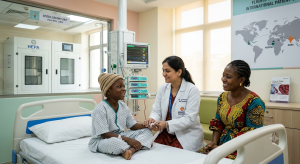
rom complex cardiac procedures and advanced oncology treatments to robotic surgeries and organ transplants, hundreds of thousands of medical tourists travel to India each year. But why is India so economical for medical treatment without compromising on safety or quality? Let’s explore the key factors behind India’s healthcare advantage.
1. Massive Cost Savings: Up to 60–80% Less Than Western Nations
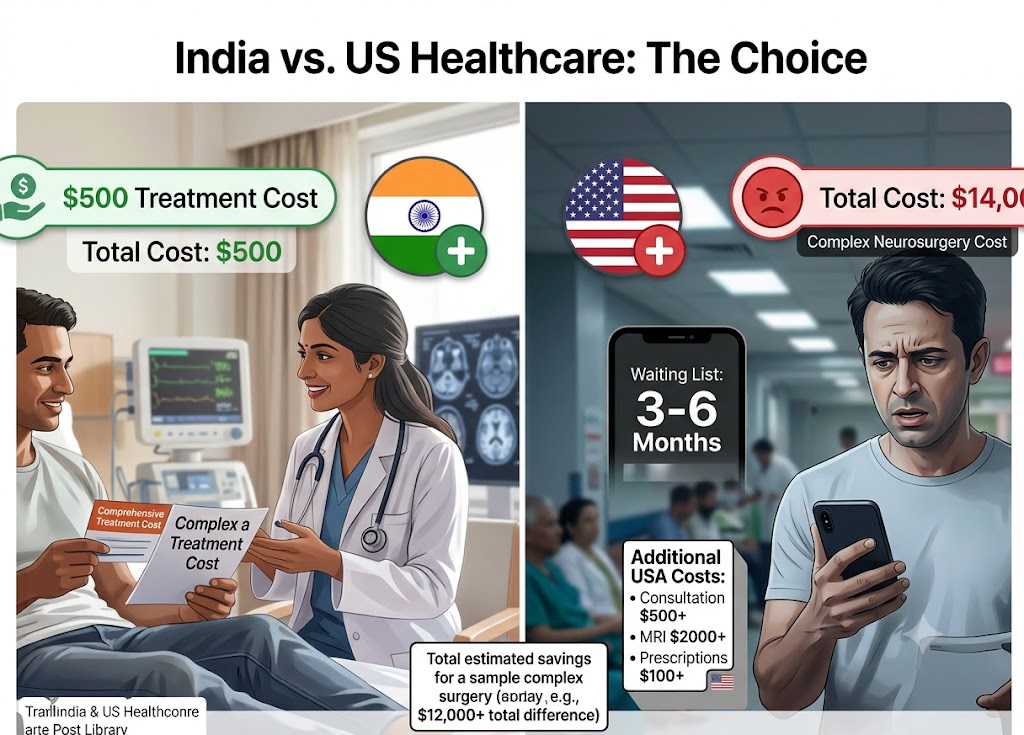
The primary driver behind India’s popularity in medical travel is the astonishing cost difference. On average, medical procedures in India cost 60% to 80% less than in countries like the United States, Canada, the United Kingdom, or Australia.
Cost Comparison Breakdown (USD)
| Medical Procedure | United States | United Kingdom | India | Savings in India |
|---|---|---|---|---|
| Heart Bypass Surgery (CABG) | $120,000 – $150,000 | $25,000 – $35,000 | $5,000 – $7,000 | ~90% |
| Hip Replacement | $40,000 – $60,000 | $15,000 – $20,000 | $4,500 – $6,500 | ~85% |
| Knee Replacement | $35,000 – $50,000 | $14,000 – $18,000 | $4,000 – $6,000 | ~85% |
| Liver Transplant | $300,000 – $800,000 | $150,000 – $200,000 | $25,000 – $35,000 | ~90% |
| Dental Implants (per tooth) | $3,000 – $5,000 | $2,000 – $3,500 | $500 – $800 | ~80% |
Even after factoring in international flights, visa fees, luxury accommodation, and local transportation, medical tourists still save tens of thousands of dollars by choosing India.
2. Why is Medical Treatment So Affordable in India?
A common misconception is that lower prices imply inferior quality. However, India achieves affordability through systemic and economic factors rather than cutting corners on patient care.
A. Lower Cost of Living and Infrastructure
The overall cost of living in India is significantly lower than in Western nations. Operating costs—such as real estate, hospital administration, utilities, and support staff salaries—are much lower, allowing hospitals to maintain high profit margins while offering affordable patient fees.
B. Economical Medical Education & Salaries
Unlike doctors in the Western world, who often graduate with hundreds of thousands of dollars in student debt, Indian medical education is heavily subsidized by the government. Consequently, Indian doctors do not carry massive debt burdens, reducing the need for inflated consultation and surgical fees.
C. Strong Domestic Pharmaceutical and Equipment Industry
India is often referred to as the “Pharmacy of the World.” The country manufactures high-quality generic medications, surgical supplies, and medical equipment locally. This local supply chain eliminates high import tariffs and markups on essential drugs and consumables.
D. Favorable Currency Exchange Rates
For travelers holding stronger currencies—such as the US Dollar ($), Euro (€), British Pound (£), or Dirham (AED)—the exchange rate against the Indian Rupee (INR) amplifies purchasing power significantly, making complex medical treatments extremely accessible.
3. World-Class Quality and Global Accreditations
Affordability is only half the equation; the standard of care in India matches—and often surpasses—global benchmarks.
- JCI and NABH Accreditation: Over 40 hospitals in India are accredited by Joint Commission International (JCI), the gold standard in global healthcare evaluation. Additionally, hundreds of hospitals carry NABH (National Accreditation Board for Hospitals & Healthcare Providers) certification.
- Internationally Trained Specialists: A vast majority of top surgeons and senior specialists in leading Indian hospitals have trained or practiced at elite medical institutions in the US, UK, Europe, or Australia.
- Cutting-Edge Technology: Indian hospitals are equipped with state-of-the-art diagnostic and surgical equipment, including Da Vinci Robotic Surgery Systems, CyberKnife, 3-Tesla MRI machines, and advanced linear accelerators for radiation oncology.
4. Zero Waiting Times and Rapid Access to Specialists
In countries with nationalized healthcare systems (such as the UK or Canada), patients often endure months—or even years—on waiting lists for non-emergency surgeries like hip replacements, cataract surgeries, or organ transplants.
In India, private healthcare operates with maximum efficiency. Medical tourists can typically schedule consultations, diagnostic scans, and complex surgeries within days of arriving in the country. Immediate intervention leads to better recovery rates and eliminates prolonged physical discomfort.
5. Comprehensive Care & Integrative Healing
India’s holistic approach to health gives international patients an added advantage:
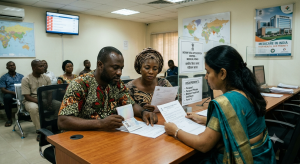
- Medical Value Travel (MVT) Facilitation: Major hospital chains like Apollo, Fortis, Max, and Manipal feature dedicated international patient departments. They offer personalized assistance, including airport pickups, language translators, visa invitation letters, customized meal options, and private recovery suites.
- Combination with Traditional Systems: Patients can complement modern, evidence-based treatments with ancient wellness practices such as Ayurveda, Yoga, and Meditation to support post-operative healing and stress recovery.
Popular Medical Specialties for International Patients
- Cardiology & Cardiothoracic Surgery: Pediatric cardiac surgeries, bypass procedures, and minimally invasive valve replacements.
- Orthopedics: Total knee/hip replacements and spine surgeries.
- Oncology: Advanced chemotherapy, targeted immunotherapy, and precision radiation therapies.
- Organ Transplants: Highly successful liver, kidney, and bone marrow transplants performed by renowned transplant teams.
- Cosmetic & Dental Surgery: Aesthetic transformations and full-mouth restorations at an economical rate.
Conclusion: Exceptional Value Without Compromise
India has successfully bridged the gap between affordable pricing and world-class medical excellence. By providing access to globally accredited facilities, foreign-trained surgeons, state-of-the-art technology, and zero waiting periods, India continues to set the benchmark for international medical value travel.
For anyone seeking high-quality healthcare without the burden of financial strain, India remains one of the safest, most economical, and reliable choices in the world.
For international patients travelling to India for bone marrow transplant or hematopoietic stem cell transplantation, medical coordination is an important part of the treatment journey.
Humane Medical Assistance supports international patients by helping coordinate their medical journey in India, including:
* Hospital and specialist coordination for best suitable hospital and most skilled and experienced Doctors
* Initial medical-record review for Tentative Medical Treatment Plan
* Treatment-plan coordination with hospitals
* Cost-estimate coordination and information on financial implications and overall budget for travel
* Medical visa assistance and applications, Local Insurance approvals, Indian Consulate coordination as required
* Airport pickup, local assistance, Transport arrangements while stay in India
* Hotel and accommodation support, Home Patient Care Services ( Nursing care, Physiotherapy, Patient Attendants, et), Medicines and Diagnostics arrangements as per need
* Interpreter/attendant coordination
* Follow-up assistance after flying back to country.
Our role is to help international patients and families navigate the medical-treatment journey while the treating doctors remain responsible for diagnosis and clinical decisions.
Looking for Bone Marrow Transplant Treatment in India? Contact Us to below mentioned Details
Humane Medical Assistance
www.humane-healthcare.com