Living with a complex hematological condition—such as Sickle Cell Disease (SCD), aplastic anemia, leukemia, or lymphoma—presents immense challenges for patients and their families. When a Bone Marrow Transplant (BMT) or Hematopoietic Stem Cell Transplant (HSCT) becomes necessary, access to advanced medical technology, highly skilled specialists, and affordable care becomes a life-or-death priority.
In recent years, India has emerged as the global destination of choice for international patients seeking specialized medical treatment, particularly from Nigeria and across West Africa. But what makes India the top destination for Nigerian patients requiring a Bone Marrow Transplant?
Here is an in-depth look at why thousands of Nigerians travel to India each year for BMT procedures, highlighting the critical factors driving this medical travel corridor.
1. High Prevalence of Sickle Cell Disease and Blood Disorders in Nigeria
To understand the demand for BMT among Nigerian patients, one must first look at the health landscape of the nation:
- Sickle Cell Disease Burden: Nigeria bears the highest burden of Sickle Cell Disease in the world. Approximately 2% to 3% of newborns in Nigeria are born with SCD, translating to over 150,000 babies each year.
- Curative Potential: While blood transfusions, pain management, and hydroxyurea help control symptoms, a Bone Marrow Transplant remains the only proven cure for Sickle Cell Disease.
- Other Hematological Conditions: Beyond SCD, severe aplastic anemia, pediatric leukemias, severe combined immunodeficiency (SCID), and thalassemia also mandate BMT as a definitive line of treatment.
With growing awareness that SCD and severe blood disorders can be cured rather than just managed, Nigerian families actively seek foreign hospitals capable of performing complex BMTs safely and successfully.
2. Cost-Effective Treatment Without Compromising Quality
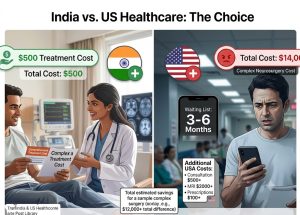
The cost of medical care is often the deciding factor for families evaluating international treatment options.
Comparing BMT costs globally illustrates why India stands out:
| Country | Approximate BMT Cost (USD) |
| United States | $250,000 – $400,000+ |
| United Kingdom / Western Europe | $150,000 – $250,000 |
| Turkey / UAE | $60,000 – $100,000 |
| India | $20,000 – $30,000 |
Key Economic Advantages in India
- Affordable Medical Packages: In India, a full allogeneic BMT package—including pre-transplant evaluations, conditioning therapy, stem cell infusion, isolation room stay, and early post-transplant monitoring—costs a fraction of Western rates.
- Value for Money: The lower cost in India stems from favorable exchange rates, lower operational overheads, and competitive pharmaceutical pricing—not lower standards of clinical care.
- Lower Accommodation & Living Expenses: Long-term stays post-transplant (often 2 to 3 months) are substantially more affordable in Indian metro cities compared to London, New York, or Dubai.
3. World-Class Infrastructure and Specialized BMT Units
Performing a Bone Marrow Transplant requires far more than an operating room; it demands a highly sterile, controlled environment and specialized infrastructure:
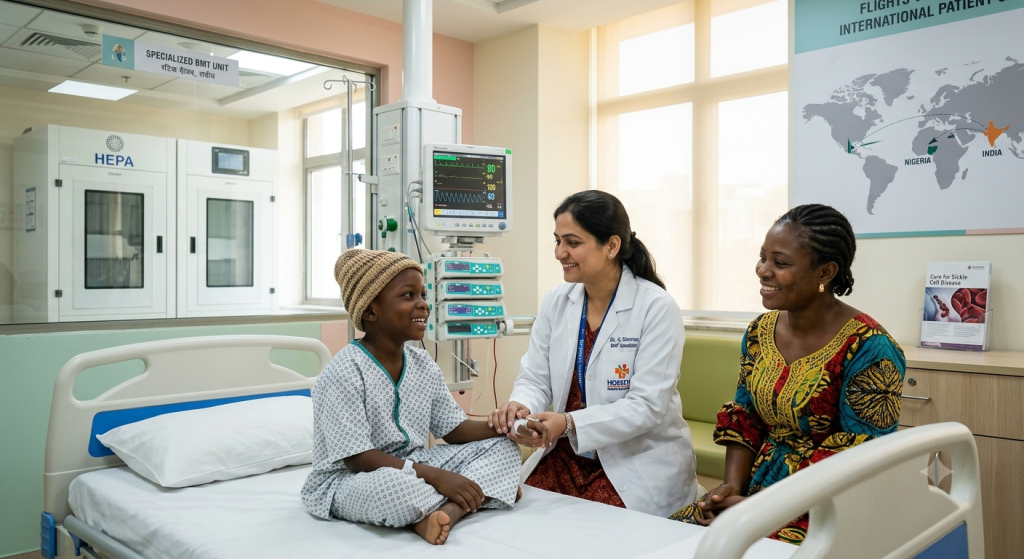
- HEPA-Filtered HEPA-Isolated Rooms: BMT patients undergo intense conditioning chemotherapy, which temporarily wipes out their immune system. Indian tertiary hospitals feature dedicated BMT units equipped with Positive Pressure HEPA filtration, laminar airflow, and strict infection-control protocols to prevent fungal and bacterial infections.
- Advanced Stem Cell Processing Labs: Major hospital chains feature in-house stem cell processing facilities, cryopreservation units, and advanced HLA-typing laboratories.
- International Accreditation: Leading hospital networks—such as Fortis, Apollo, Max Healthcare, Manipal, and Medanta—hold Joint Commission International (JCI) and NABH (National Accreditation Board for Hospitals & Healthcare Providers) accreditations, ensuring safety standards match top global institutions.
4. Renowned Hemato-Oncologists and Clinical Expertise
India is home to globally recognized hematologists, pediatric oncologists, and stem cell transplant surgeons:
- Global Experience: Many Indian BMT specialists completed their advanced fellowships and training in leading healthcare systems across the UK, USA, Canada, and Europe before returning to practice in India.
- High Volume of Complex Transplants: Indian doctors perform thousands of transplants annually, including challenging procedures like Haploidentical Transplants (half-matched transplants from parents or siblings) and Unrelated Donor Transplants.
- Specialized Care for Sickle Cell Disease: Because Indian BMT specialists treat a high volume of pediatric and adult SCD patients from Africa and South Asia, they possess deep experience in managing SCD-specific complications, such as acute chest syndrome and vasculopathy during the transplant phase.
5. High Success Rates and Matched Donor Accessibility
Success rates for BMT in India match global benchmarks:
- High Cure Rates: For pediatric Sickle Cell Disease and non-malignant blood conditions, BMT success rates in top Indian centers range between 80% to 95% when performed with a fully matched sibling donor.
- Haploidentical (Half-Matched) Advancements: For patients who do not have a full HLA match in their family, Indian centers excel in post-transplant cyclophosphamide (PTCy) haploidentical transplants, allowing parents or half-matched siblings to safely act as donors.
- International Donor Registry Access: Indian hospitals collaborate with global stem cell registries (such as DATRI, DKMS, and Be The Match) to locate unrelated stem cell donors when family matches are unavailable.
6. Seamless Travel Logistics and Supportive Environment for Nigerians
Beyond clinical capabilities, the logistical and cultural experience plays a major role in choosing a destination:
E-Medical Visa Process
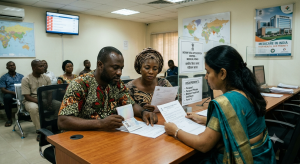
India offers an efficient, streamlined E-Medical Visa and Medical Attendant Visa process for Nigerian citizens. Hospital international patient departments (IPDs) issue official visa invitation letters swiftly to facilitate rapid processing.
Dedicated Nigerian & African Patient Desks
Major hospitals in cities like New Delhi, Mumbai, Bengaluru, and Chennai feature specialized international desks providing:
- Airport Transfers: Pickup and drop-off assistance upon arrival and departure.
- Language & Cultural Support: English is widely spoken by doctors, nurses, and staff, eliminating communication barriers.
- African & Continental Cuisine: On-site hospital catering and surrounding apartments cater directly to African dietary preferences, making long stays comfortable.
- Local Accommodation Coordination: Patient coordinators help families secure budget-friendly serviced apartments equipped with kitchens near the hospital, essential for preparing clean, home-cooked food during post-transplant recovery.
7. Comprehensive Post-Transplant Follow-Up
The journey does not end when the patient leaves the hospital isolation unit. Recovery requires careful monitoring for Graft-versus-Host Disease (GvHD), opportunistic infections, and organ recovery over 3 to 6 months.
Indian BMT centers provide:
- Phased Discharge Protocols: Ensuring the patient remains locally near the hospital until blood counts stabilize and immunity begins to rebuild.
- Tele-Medicine & Remote Monitoring: Once Nigerian patients return home, Indian hematologists maintain regular follow-ups via virtual consultations, coordinating with local Nigerian physicians to review routine blood work and adjust immunosuppressive medications.
Summary: A Life-Changing Partnership in Healing
For Nigerian families navigating the heavy burden of severe blood disorders like Sickle Cell Disease, India provides a vital bridge between hope and healing. By combining global medical standards, world-renowned clinical expertise, advanced infection-control infrastructure, and affordable pricing, India continues to earn its reputation as the preferred global destination for life-saving Bone Marrow Transplants.
Seeking Bone Marrow Transplant Treatment in India?
For international patients travelling to India for bone marrow transplant or hematopoietic stem cell transplantation, medical coordination is an important part of the treatment journey.
Humane Medical Assistance supports international patients by helping coordinate their medical journey in India, including:
* Hospital and specialist coordination for best suitable hospital and most skilled and experienced Doctors
* Initial medical-record review for Tentative Medical Treatment Plan
* Treatment-plan coordination with hospitals
* Cost-estimate coordination and information on financial implications and overall budget for travel
* Medical visa assistance and applications, Local Insurance approvals, Indian Consulate coordination as required
* Airport pickup, local assistance, Transport arrangements while stay in India
* Hotel and accommodation support, Home Patient Care Services ( Nursing care, Physiotherapy, Patient Attendants, et), Medicines and Diagnostics arrangements as per need
* Interpreter/attendant coordination
* Follow-up assistance after flying back to country.
Our role is to help international patients and families navigate the medical-treatment journey while the treating doctors remain responsible for diagnosis and clinical decisions.
Looking for Bone Marrow Transplant Treatment in India? Contact Us to below mentioned Details
Humane Medical Assistance
www.humane-healthcare.com