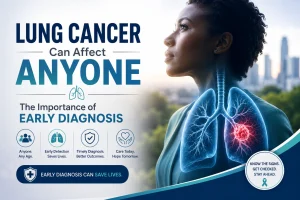
For decades, society associated lung cancer strictly with long-term cigarette smoking. Consequently, non-smokers assumed their lungs were safe.
However, global medical statistics reveal a startling shift. Today, non-smokers account for up to 20% of all lung cancer cases worldwide.
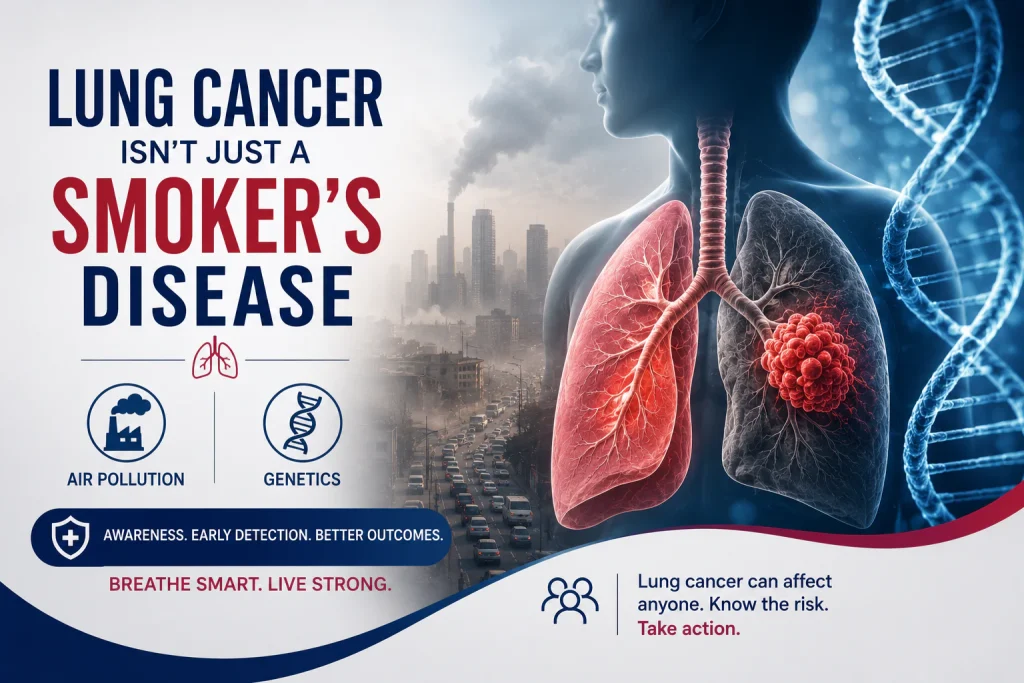
A recent report in the Times of India highlighted growing concerns among oncologists regarding rising non-smoker lung cancer rates. Fine air pollution, indoor biomass smoke, secondhand exposure, and genetic mutations quietly increase cancer risks in non-smoking adults.
The Growing Threat in East Africa
In rapidly growing cities like Nairobi and Mombasa, vehicle emissions and industrial pollutants create constant environmental hazards. Furthermore, many rural and peri-urban households still rely heavily on charcoal or firewood for cooking.
Unfortunately, non-smokers rarely consider themselves at risk. Consequently, doctors frequently misdiagnose early lung cancer symptoms as asthma, chronic bronchitis, or Tuberculosis (TB). By the time specialists perform accurate scans, the disease has often reached an advanced stage.
At Humane Medical Assistance, we eliminate geographical barriers to high-quality healthcare. We connect East African families directly with leading oncology centers in India. As a result, our patients gain rapid access to genomic testing, targeted therapies, and minimally invasive surgeries.
Why Non-Smokers Develop Lung Cancer
Non-smokers often wonder how lung tissue develops cancerous tumors without tobacco smoke. Environmental toxins and genetic factors create distinct cellular damage.
1. Fine Particulate Air Pollution ($PM_{2.5}$)
Vehicle exhaust and industrial sites release microscopic pollutants known as $PM_{2.5}$. Because these particles are tiny, they travel deep into the lungs. Consequently, long-term inhalation causes chronic tissue inflammation. Over time, this inflammation triggers genetic mutations inside lung cells.
2. Household Biomass Smoke
In many East African households, families cook with open wood fires, charcoal, or kerosene. Women and children frequently inhale dense smoke containing toxic hydrocarbons. In fact, daily exposure to biomass smoke damages lung tissue just as severely as active cigarette smoking.
3. Secondhand Smoke Exposure
Inhaling smoke from nearby tobacco users carries severe health risks. Secondhand smoke contains hundreds of toxic chemicals, including formaldehyde and benzene. As a result, non-smokers who regularly breathe passive smoke face a significantly elevated risk of lung cancer.
4. Actionable Genetic Mutations
Lung cancer in non-smokers exhibits unique genetic characteristics. Non-smokers frequently develop specific gene alterations, such as EGFR, ALK, or ROS1 mutations. Fortunately, oncologists treat these genetic drivers using targeted oral therapies rather than conventional intravenous chemotherapy.
Recognizing the Early Warning Signs
Because non-smokers do not view themselves as high-risk individuals, they often ignore early respiratory changes. In East Africa, patients often spend months taking repeat courses of antibiotics before getting a chest scan.
Common Symptoms to Monitor
You should consult a specialist immediately if you experience any of these persistent symptoms for more than three weeks:
- A continuous dry cough that worsens over time.
- Shortness of breath during routine daily walks.
- Vague chest or back pain while breathing deeply.
- Coughing up small amounts of blood or rust-colored phlegm.
- Recurrent lung infections, such as bronchitis or pneumonia.
- Unexplained weight loss accompanied by severe fatigue.
Why Choose India for Non-Smoker Lung Cancer Treatment?
Effective cancer care requires precise diagnostic tools. Top Indian oncology centers offer modern technologies that dramatically improve patient outcomes.
1. Next-Generation Sequencing (NGS)
Indian cancer hospitals do not rely solely on basic tissue biopsies. Instead, pathologists perform Next-Generation Sequencing (NGS) to map the exact genetic mutations of a tumor. If doctors find an EGFR or ALK mutation, the patient can receive daily targeted pills. These pills attack cancer cells while sparing healthy tissue.
2. VATS and Robotic Surgery
When surgeons catch lung cancer early, removing the tumor offers the best chance for a cure. Indian thoracic surgeons perform Video-Assisted Thoracoscopic Surgery (VATS) and Robotic Lobectomies. Because surgeons operate through tiny incisions between the ribs, patients experience less pain and recover quickly.
3. Multidisciplinary Tumor Boards
In India, a team of specialists reviews every complex case. A dedicated Tumor Board—including thoracic surgeons, medical oncologists, radiation experts, and pathologists—collaborates to design your personalized treatment plan.
Financial Comparison: Kenya vs. India
Seeking treatment abroad provides high-level medical care while offering significant cost savings for families.
| Medical Procedure | Estimated Cost in Kenya (KES) | Estimated Cost in India (USD) | Key Benefits in India |
| Full-Body PET-CT Scan | 70,000 – 90,000 KES | $250 – $350 USD | Precise staging to detect microscopic cancer spread. |
| Biopsy + Genomic NGS Panel | 120,000 – 180,000 KES | $500 – $850 USD | Identifies specific mutations for targeted pill therapies. |
| Robotic / VATS Lung Surgery | 1.8M – 2.8M KES | $5,500 – $7,500 USD | Minimally invasive procedure with shorter hospital stays. |
| Targeted / Immunotherapy | High Cost / Limited Availability | Substantially Lower | Direct access to FDA-approved global oncology drugs. |
Frequently Asked Questions
Planning overseas medical care requires clear information. Below are direct answers to common questions regarding treatment logistics.
How do I obtain an Indian medical visa from Kenya?
First, you need an official Medical Invitation Letter from a recognized Indian hospital. Humane Medical Assistance obtains this letter for you after reviewing your medical files. Next, you submit the letter, your passport, and bank statements to VFS Global in Nairobi. VFS Global prioritizes medical visas and usually issues them within 3 to 5 business days.
Does the Social Health Insurance Fund (SHIF) cover treatment in India?
The Social Health Insurance Fund (SHIF) in Kenya may cover overseas care if public hospitals locally cannot provide the required treatment. However, you must obtain an official referral from an authorized Kenyan specialist and approval from the Ministry of Health before traveling.
How long must a lung cancer patient stay in India?
The length of stay depends on your treatment plan. For diagnostic evaluations, genetic testing, and robotic surgery, patients generally remain in India for 3 to 4 weeks. If your oncologist prescribes targeted oral pills, you can return home to Kenya after your initial recovery.
Is flying to India safe for patients with shortness of breath?
Before you book flights from Jomo Kenyatta International Airport (JKIA), an Indian cardiologist and pulmonologist review your CT scans to confirm you are fit to fly. If necessary, we arrange flight oxygen support or medical escorts.
Our 5-Step Support Framework for East African Families
Navigating cancer treatment creates significant emotional stress. Therefore, Humane Medical Assistance manages all travel and hospital logistics so you can focus entirely on your health.

Step 1: Free Clinical Case Review
You send us your chest X-rays, CT scans, and biopsy reports. Within 48 hours, senior oncologists in New Delhi review your files and provide a complete treatment plan with cost estimates.
Step 2: Visa and Travel Coordination
We secure your official hospital visa letter immediately. Furthermore, we assist with your VFS Global application in Nairobi and book suitable flight schedules.
Step 3: Airport Welcome and Lodging
When you land at Indira Gandhi International Airport in New Delhi, our team receives you at the gate. We transfer you to clean, sanitized accommodation near the hospital with private kitchen facilities.
Step 4: Dedicated Hospital Concierge
Our team accompanies you to all hospital visits. We manage registration paperwork, coordinate diagnostic tests, and ensure clear communication with your medical team.
Step 5: Post-Treatment Care Continuity
Before you return to East Africa, we collect all medical reports and follow-up plans. We then share these files with your local doctor in Kenya to ensure uninterrupted follow-up care.
Take Charge of Your Respiratory Health
Lung cancer affects smokers and non-smokers alike. Environmental pollutants and genetic factors mean everyone must remain vigilant. Recognizing early symptoms and accessing modern genomic care saves lives.
Contact Humane Medical Assistance today to request a free, confidential medical review with India’s top thoracic oncologists.