A recent Times of India report shocked many health enthusiasts. Doctors diagnosed a young, extremely fit gym trainer with advanced lung cancer. Surprisingly, he had never smoked a single cigarette in his life. Consequently, his story shatters a dangerous health myth. Many people believe that physical fitness completely prevents severe diseases. However, cancer does not discriminate based on your gym routine.
For young adults in Kenya and across East Africa, this story serves as a critical wake-up call. We frequently dismiss a lingering cough as a minor allergy or a standard seasonal flu. Furthermore, young professionals in Nairobi or Mombasa rarely suspect lung cancer. By the time they seek proper medical scans, the disease has often progressed significantly.
At Humane Medical Assistance, we guide East African patients toward life-saving oncology care. We connect you directly with India’s leading thoracic surgeons and cancer specialists. As a result, you gain rapid access to advanced genomic testing and targeted treatments.
The Dangerous Myth of Fitness Immunity
Physical fitness undoubtedly strengthens your immune system. Regular exercise improves cardiovascular health and boosts lung capacity. However, a healthy lifestyle cannot entirely rewrite your cellular genetics. Furthermore, fitness does not create a magical shield against environmental toxins.
When a young, active person develops a cough, doctors usually prescribe antibiotics or allergy medications. Consequently, a young patient might spend months treating a misdiagnosed chest infection. Meanwhile, the underlying cancer silently grows. Therefore, we must separate lifestyle assumptions from clinical realities.
The True Drivers of Young-Onset Lung Cancer
Why do healthy non-smokers develop lung cancer? Medical researchers point to several hidden triggers.
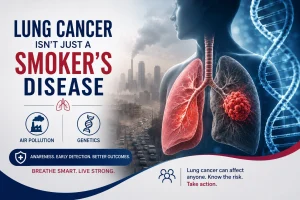
First, genetic mutations play a massive role. Young non-smokers frequently carry specific genetic alterations, such as EGFR or ALK gene mutations. These genetic anomalies cause healthy lung cells to multiply uncontrollably.
Second, environmental factors constantly assault our lungs. For instance, severe traffic pollution (PM2.5) in growing cities like Nairobi aggressively inflames lung tissue. Moreover, indoor exposure to cooking smoke or passive cigarette smoke significantly damages the respiratory system over time.
The 3-Week Rule: When a Cough Becomes an Alarm
A standard viral cough should resolve quickly. Typically, your body clears a routine respiratory infection within 10 to 14 days. However, a cough that lasts beyond this timeframe requires immediate medical attention.
Oncologists emphasize a strict timeline. If your cough persists for more than three weeks, you must consult a specialist. Furthermore, you should request a detailed chest scan rather than relying solely on cough syrups.
Critical Red Flags to Watch For
Beyond the duration of the cough, pay close attention to specific accompanying symptoms. You should book an immediate medical evaluation if you experience:
- A dry, hacking cough that progressively worsens instead of improving.
- Traces of blood or rust-coloured mucus when you cough.
- Unexplained breathlessness during activities you usually handle easily, like climbing stairs.
- A sharp chest pain that intensifies when you take a deep breath or laugh.
- Severe, persistent fatigue that sleep does not cure.
- Sudden, unexplained weight loss despite maintaining your normal diet.
Why Kenyan Patients Seek Lung Cancer Treatment in India
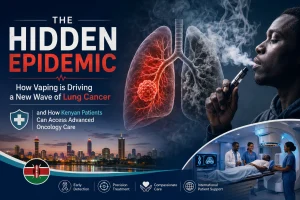
If a doctor suspects lung cancer, accurate diagnostics become your most urgent priority. Unfortunately, patients in East Africa often face long delays for advanced imaging. Furthermore, local access to genomic tumour profiling remains limited and highly expensive.
Consequently, hundreds of Kenyan patients travel to India every year for specialized oncology care. India offers unparalleled medical technology and surgical expertise at a fraction of Western prices.
1. Rapid, Pinpoint Diagnostics
Indian cancer centres utilise full-body PET-CT scans to detect microscopic cancer spread instantly. Furthermore, pathologists routinely perform Next-Generation Sequencing (NGS) on biopsy samples. This advanced genomic testing identifies the exact DNA mutation driving your cancer. As a result, doctors can prescribe highly effective, personalised treatments.
2. Targeted Oral Therapies
Historically, cancer treatment meant grueling intravenous chemotherapy. Today, targeted therapies are revolutionising lung cancer care for young non-smokers. If your NGS test reveals an EGFR mutation, your Indian oncologist will likely prescribe a daily oral pill. These targeted pills specifically attack the mutated cancer cells. Consequently, patients experience fewer side effects and preserve their quality of life.
3. Minimally Invasive Robotic Surgery
When surgeons detect a lung tumour early, they frequently remove it surgically. Top Indian hospitals employ advanced robotic-assisted surgery and VATS (Video-Assisted Thoracoscopic Surgery). Instead of splitting the chest open, surgeons remove the tumour through tiny incisions between the ribs. Therefore, patients experience less pain, lower infection risks, and much faster recovery times.
Treatment Cost Comparison: Kenya vs. India
Accessing global healthcare does not have to drain your family’s finances. In fact, travelling to India often reduces your overall medical expenses while improving your quality of care.
| Medical Service | Estimated Cost in Kenya (KES) | Estimated Cost in India (USD) | The Indian Advantage |
|---|---|---|---|
| Comprehensive PET-CT Scan | 70,000 – 90,000 KES | $250 – $350 | Immediate scheduling and high-resolution staging. |
| Biopsy & Genomic NGS Panel | 120,000 – 180,000 KES | $500 – $850 | Mandatory for identifying targeted therapy options. |
| Robotic Lung Surgery | 1,800,000 – 2,800,000 KES | $5,500 – $7,500 | Minimally invasive techniques for rapid recovery. |
| Targeted Therapy Drugs | Very high / Rarely available | Substantially lower | Affordable access to FDA-approved global medications. |
Frequently Asked Questions
Planning a medical journey requires clear, actionable information. Below are direct answers to common logistical questions for East African patients.
How do I get an Indian medical visa for cancer treatment?
First, you need an official Medical Invitation Letter from a recognised Indian hospital. Humane Medical Assistance secures this letter for you promptly. Next, you submit the letter and your passport to VFS Global in Nairobi. VFS Global prioritises these applications and usually issues the visa within 3 to 5 business days.
Can the Social Health Insurance Fund (SHIF) cover my treatment in India?
The Kenyan SHIF may cover overseas medical care if local public hospitals cannot provide the necessary specialised treatment. However, you must obtain an official referral from an authorised Kenyan specialist. Furthermore, you need explicit clearance from the Ministry of Health before travelling.
How long will I need to stay in India?
Your stay depends entirely on your customised treatment plan. For advanced diagnostics and robotic surgery, patients usually stay for 3 to 4 weeks. If your doctor prescribes targeted oral pills, you can often return to Kenya much sooner and continue your medication at home.
Is it safe to fly from Nairobi with a persistent cough?
Before you book your flight from Jomo Kenyatta International Airport (JKIA), an Indian pulmonologist will review your local chest X-rays. They will ensure your lung capacity makes you “fit to fly”. If necessary, we coordinate in-flight oxygen support for your journey to New Delhi.
Our Complete Patient Support Framework
A cancer diagnosis brings immense emotional distress to any family. Therefore, you should not struggle with complex travel logistics. Humane Medical Assistance manages your entire journey from East Africa to India.
Step 1: Free Medical Case Evaluation
You send us your local chest scans and doctor reports. Within 48 hours, our partner oncologists in New Delhi review your case. We then provide a clear treatment roadmap and a transparent cost estimate.
Step 2: Immediate Visa and Flight Help
We rapidly secure your hospital visa invitation letter. Additionally, we assist your family with the VFS Global application process. We also help you find the most comfortable flight routes to India.
Step 3: VIP Airport Welcome and Lodging
When you land at Indira Gandhi International Airport, our dedicated team receives you at the arrival gate. We immediately transport you to a clean, safe, and fully furnished guesthouse located near your hospital.
Step 4: 24/7 Hospital Concierge
Our local representatives personally accompany you to every medical consultation and scan. We manage all hospital admissions, handle the paperwork, and ensure seamless communication with your surgeons.
Step 5: Seamless Post-Treatment Care
Before you fly back to Kenya, we compile all your discharge summaries, imaging CDs, and follow-up plans. We then coordinate directly with your local Kenyan doctor. As a result, you enjoy a safe, continuous recovery process at home.
Do Not Ignore Your Body’s Warning Signs
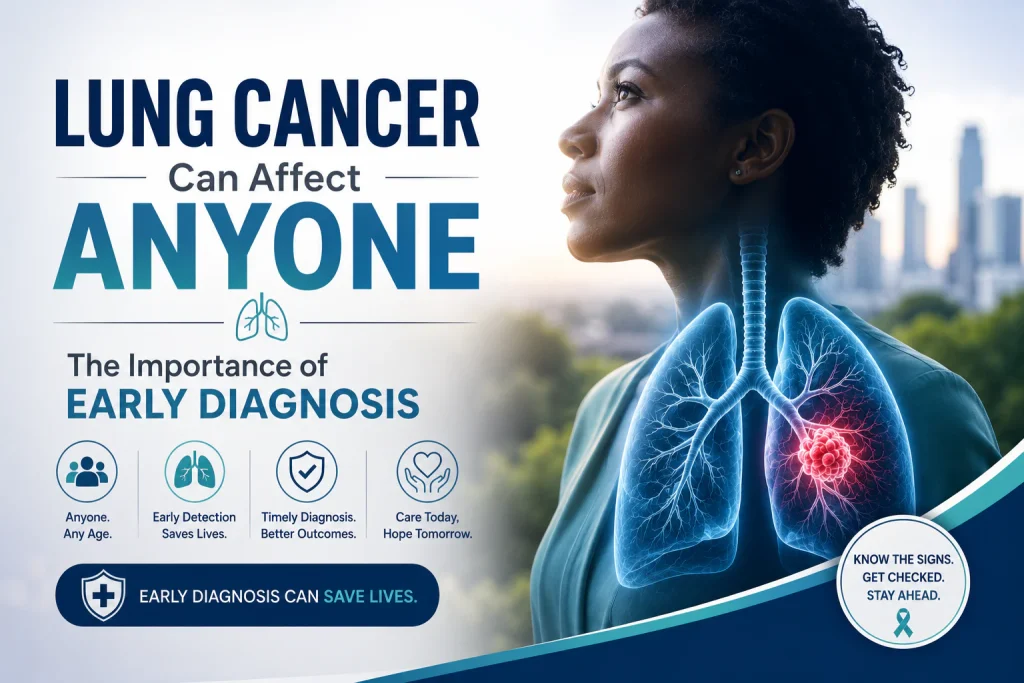
Lung cancer does not only target the elderly or heavy smokers. Even a young, fit gym trainer can face a sudden diagnosis. Therefore, proactive health monitoring remains your best defence. Never dismiss a persistent cough as just a stubborn flu.
Contact Humane Medical Assistance today. We will provide a free, confidential case review with India’s leading lung cancer specialists.