
Colon cancer, also known as colorectal cancer, is one of the most common cancers globally. For decades, it was viewed primarily as a disease affecting older adults. However, a worrying new trend has emerged: colon cancer rates are rising sharply among younger adults in their 30s and 40s. While family history and genetics play a role, experts overwhelmingly agree that our modern lifestyle and dietary habits are the primary drivers of this increase. Cancer rarely develops overnight; it is the result of long-term cellular damage and inflammation. The food you eat directly impacts your digestive tract, acting either as medicine to protect your cells or as a toxin that damages them.
To help you protect your long-term health, here are five specific foods that oncologists strongly recommend limiting or removing from your diet entirely.
1. Processed Meats (The Hidden Danger)
Processed meats are incredibly popular worldwide, showing up as bacon at breakfast, hot dogs at lunch, and sausages at dinner. Unfortunately, they are also one of the most dangerous foods for your gut.
- The Science: To keep these meats looking fresh and lasting longer on shelves, manufacturers use chemical preservatives called nitrates and nitrites. When digested, these chemicals transform into cancer-causing compounds right inside your gut.
- The Verdict: The World Health Organization (WHO) has officially classified processed meats as a Group 1 carcinogen. This means there is definitive, undeniable proof that they cause cancer in humans. Regular consumption directly damages the protective lining of your colon.
2. Excessive Red Meat (Especially Grilled or Charred)
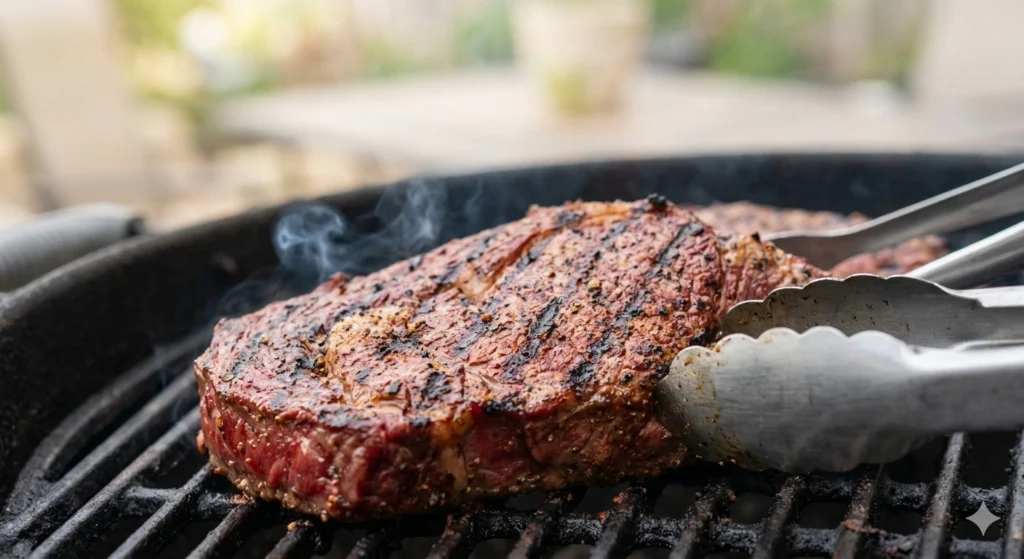
Red meats like beef, lamb, and pork are excellent sources of protein and iron. However, the amount you eat and how you cook it can turn a healthy protein into a health risk.
- The Science: When red meat is cooked at very high temperatures—such as grilling over an open flame, pan-frying, or barbecuing—it creates harmful chemicals known as Heterocyclic Amines (HCAs). These chemicals can alter and damage the DNA of your colon cells.
- The Verdict: Health organizations classify red meat as a probable carcinogen. Try limiting red meat to once or twice a week, and swap it out for leaner, safer proteins like baked fish, poultry, beans, or lentils.
3. Low-Fiber & Highly Refined Foods
Think of dietary fiber as a broom for your intestines. It sweeps waste through your digestive tract efficiently. Refined foods—like white bread, white rice, sugary cereals, and processed pastries—have had all their natural fiber stripped away.
- The Science: When you eat a low-fiber diet, food moves sluggishly through your system. This means any toxins or harmful waste products sit against the delicate lining of your colon for a much longer time, increasing the risk of cellular damage.
- The Verdict: A high-fiber diet feeds a healthy gut microbiome, which actively fights off inflammation. Aim for 25 to 30 grams of fiber daily to keep your digestive system moving efficiently.
4. Alcohol
The connection between alcohol and liver damage is widely known, but alcohol’s devastating impact on the colon is rarely discussed.
- The Science: As alcohol breaks down in your body, it turns into a toxic chemical called acetaldehyde. This chemical damages DNA and prevents your cells from repairing the damage. It also acts as an irritant, causing chronic inflammation in the digestive tract.
- The Verdict: The WHO classifies alcohol as a Group 1 carcinogen. Even moderate, casual drinking can increase the risk of mutations in your colon cells. Reducing or completely eliminating alcohol is one of the most effective steps you can take to prevent cancer.
5. Deep-Fried Foods
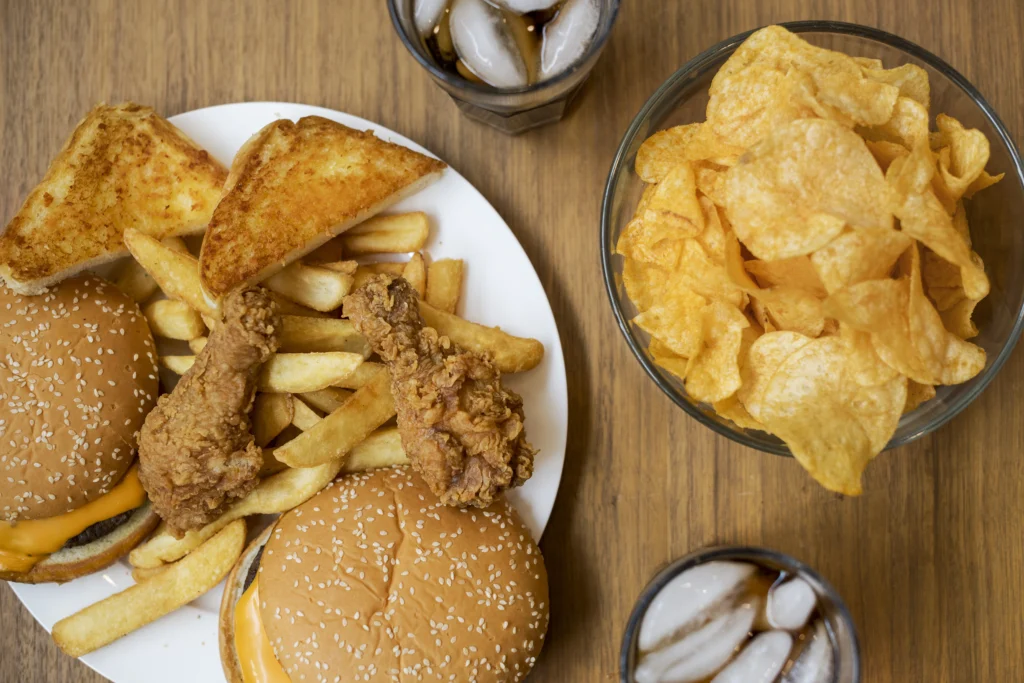
Deep-fried foods like French fries, fried chicken, and crispy processed snacks are staples of the modern fast-food diet. They are also major culprits in the rise of digestive diseases.
- The Science: Dropping foods into boiling oil creates a chemical compound called acrylamide, which is linked to DNA damage. Furthermore, deep-fried foods are loaded with trans fats, which trigger widespread, chronic inflammation throughout the body.
- The Verdict: Frequent consumption of fried foods is not only linked to cellular damage but also to severe obesity, which is a major, independent risk factor for developing colorectal cancer.
Foods That Actively Protect Your Colon
Prevention isn’t just about what you avoid; it’s about what you add to your plate. To build a cancer-fighting diet, focus on incorporating:
- Cruciferous Vegetables: Broccoli, cauliflower, and Brussels sprouts contain natural compounds that help your body detoxify harmful chemicals.
- Whole Grains: Swap white bread and rice for quinoa, brown rice, and whole-wheat options to drastically increase your fiber intake.
- Legumes: Lentils, chickpeas, and black beans are incredibly rich in fiber and plant-based protein.
- Nuts and Seeds: Chia seeds, flaxseeds, and walnuts provide healthy fats that reduce inflammation in the gut.
Essential Lifestyle Tips for Colon Cancer Prevention
Beyond your plate, a few key daily habits can build a strong defense against cancer:
- Hydrate Constantly: Water works alongside fiber to keep your digestive tract running smoothly and to flush out toxins.
- Move Your Body: Just 30 minutes of moderate daily exercise speeds up digestion and lowers inflammation.
- Know Your Family History: If a parent or sibling has had colon cancer, your risk is significantly higher.
- Don’t Skip Screenings: Colonoscopies can detect and remove pre-cancerous growths (polyps) before they ever turn into cancer. Screenings should typically begin at age 45.
Your Partner in Global Healthcare
Colon cancer is highly preventable with the right lifestyle changes, and it is highly treatable when caught early.
At Humane Medical Assistance, we believe that proactive education and access to world-class medical care are the keys to fighting cancer. If you are seeking advanced oncology screenings, expert second opinions, or cutting-edge cancer treatments, we bridge the gap. We help international patients connect with India’s leading, internationally accredited hospitals for exceptional, affordable care.
[Contact Us Today] to consult with top oncologists and take the first step toward securing your health.


