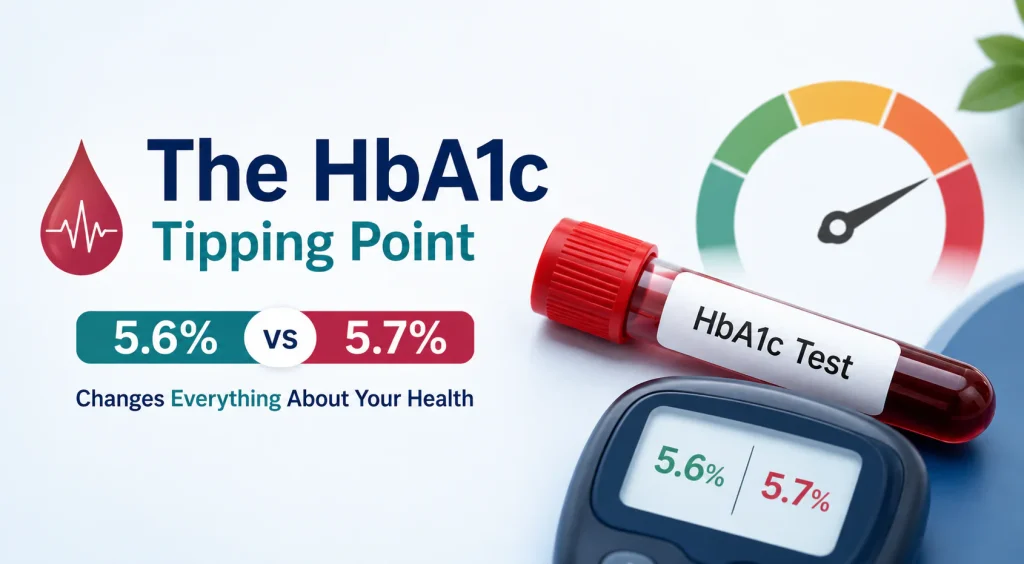
A simple routine blood test can completely change your life. Specifically, the HbA1c test measures your average blood sugar levels over three months. Consequently, it serves as the ultimate diagnostic tool for diabetes worldwide. Many patients feel deeply confused by their lab results. For example, your doctor might smile at a score of 5.6%. However, a score of 5.7% suddenly triggers serious medical warnings.
Why does a tiny decimal point matter so much?
At Humane Medical Assistance, we guide thousands of international patients through complex health diagnoses in India. We frequently see patients from Africa, the Middle East, and the CIS region traveling for advanced endocrinology care. Therefore, understanding this critical medical threshold is vital. Today, we will explain exactly why 5.7% changes your medical classification completely. Furthermore, we will show you how to reverse this dangerous trend effectively.
What Exactly is the HbA1c Test?
First, you must understand how sugar interacts with your blood. When you eat carbohydrates, your body breaks them down into glucose. Consequently, this glucose enters your bloodstream immediately. In your blood, glucose naturally attaches to hemoglobin proteins inside red blood cells.
The HbA1c test directly measures the percentage of your hemoglobin that is coated with sugar. Because red blood cells live for approximately three months, this test provides a highly accurate long-term average. Therefore, it is far more reliable than a standard daily fasting blood sugar test.
The Standard Medical Classifications
Global medical authorities, including the American Diabetes Association (ADA), use strict diagnostic guidelines. They divide HbA1c scores into three distinct categories.
| HbA1c Level | Medical Classification | Health Implication |
| Below 5.7% | Normal | Your body manages glucose perfectly. |
| 5.7% to 6.4% | Prediabetes | Your cells resist insulin; high risk of developing diabetes. |
| 6.5% or Higher | Diabetes | Your pancreas cannot produce enough insulin; immediate treatment required. |
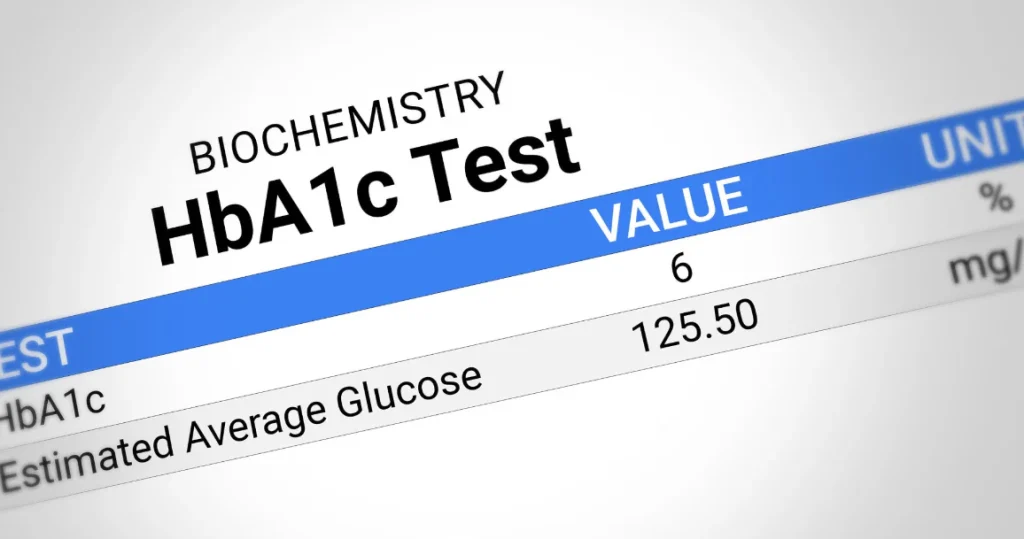
The Crucial Difference: 5.6% vs. 5.7% Explained
You might wonder how a mere 0.1% difference creates such a massive medical panic. To understand this, we must look at human cellular biology.
The Insulin Resistance Threshold
A score of 5.6% sits at the absolute top edge of the “normal” range. Therefore, your body is still successfully managing your blood sugar levels. Your pancreas produces enough insulin, and your cells respond properly.
However, hitting exactly 5.7% signals a systemic biological failure. At this specific point, your cells begin actively resisting insulin. Consequently, your pancreas must work twice as hard to push glucose into your cells. Eventually, your overworked pancreas becomes exhausted. This cellular resistance represents the very beginning of metabolic syndrome.
Key Insight: The 5.7% mark is not an arbitrary number. Indeed, clinical studies prove that cellular damage begins precisely at this metabolic threshold.
The Hidden Dangers of Prediabetes
Many people ignore a prediabetes diagnosis completely. They mistakenly believe “pre” means they are still safe. However, this assumption is dangerously wrong. Even at 5.7%, excess sugar begins destroying delicate blood vessels. Specifically, it damages the microscopic vessels in your eyes, kidneys, and heart. Thus, early cardiovascular disease often begins during the prediabetic phase.
Taking Action: Reversing the 5.7% Trend
Fortunately, a prediabetes diagnosis is not a life sentence. In fact, it serves as a powerful, reversible warning sign. You can push your HbA1c back down to 5.6% or lower. However, you must implement aggressive lifestyle changes immediately.
1. Radically Alter Your Diet
First, you must eliminate refined carbohydrates completely. White bread, sugary sodas, and processed pastries spike your blood sugar instantly. Instead, focus entirely on high-fiber foods. Dietary fiber slows down glucose absorption significantly. Therefore, it prevents dangerous insulin spikes after meals.
You should consume abundant leafy greens, lentils, and whole grains daily. Furthermore, prioritize lean proteins like fish and chicken.
2. Build Lean Muscle Mass
Next, you must engage in regular physical exercise. Specifically, strength training is incredibly effective against prediabetes. Muscle tissue burns glucose for energy efficiently. Moreover, building muscle directly improves your cellular insulin sensitivity. Thus, lifting weights or performing bodyweight exercises forces your body to utilize excess sugar.
3. Prioritize Deep Sleep
Finally, sleep deprivation ruins metabolic health rapidly. Chronic exhaustion elevates cortisol levels dangerously. Consequently, this stress hormone triggers immediate blood sugar spikes. Therefore, you must secure seven to eight hours of deep, uninterrupted sleep nightly.
Advanced Endocrinology Care in India for Global Patients
Sometimes, lifestyle changes alone cannot reverse severe metabolic syndrome. In these cases, expert medical intervention becomes absolutely necessary. Today, thousands of international patients choose India for advanced diabetes management.
Here is exactly why India leads the world in endocrinology and metabolic care:
World-Class Medical Expertise
Indian endocrinologists handle some of the highest volumes of complex diabetes cases globally. Due to the high prevalence of diabetes in South Asia, Indian doctors possess unmatched clinical experience. Consequently, they understand aggressive insulin resistance better than almost anyone else. They utilize the latest international protocols to halt disease progression immediately.
Cutting-Edge Diagnostic Technology
Indian corporate hospitals invest heavily in modern diagnostic infrastructure. For instance, they utilize continuous glucose monitors (CGMs) and advanced genetic metabolic testing. These tools allow doctors to pinpoint the exact biological cause of your insulin resistance. Therefore, they can craft a highly personalized treatment plan for you.
Premium Care at Accessible Prices
Managing chronic metabolic conditions in Western nations often bankrupts families. In contrast, Indian hospitals provide identical premium care for 60% to 80% less. Specifically, comprehensive endocrinology evaluations, advanced lab testing, and specialist consultations cost a fraction of US or UK prices. Thus, life-saving medical care remains highly accessible for global citizens.
Tailored Medical Support for International Regions
At Humane Medical Assistance, we recognize that international patients face unique logistical challenges. Therefore, we customize our medical tourism services for specific global regions carefully.
Patients from Africa (Nigeria, Kenya, Tanzania)
Endocrinology specialists are often scarce across many African nations. Consequently, patients struggle to find targeted treatments for complex metabolic disorders. We connect African patients directly with India’s top-tier corporate hospitals. Furthermore, we manage every single travel detail effortlessly. We secure priority medical visas, arrange airport transfers, and book comfortable service apartments. Thus, you can focus entirely on reversing your prediabetes safely.
Patients from the CIS Region (Uzbekistan, Russia)
Patients in Uzbekistan and Russia frequently seek advanced second opinions abroad. However, severe language barriers make international healthcare terrifying. Humane Medical Assistance eliminates this problem completely. We provide dedicated, medically trained Russian-speaking interpreters for every single patient. Your interpreter stays beside you during every doctor consultation. Therefore, you will perfectly understand your complex dietary plans and medical prescriptions.
Patients from the Middle East (UAE, Saudi Arabia, Oman)
Middle Eastern patients expect absolute privacy, premium luxury, and culturally respectful care. We facilitate VIP hospital suites to ensure complete discretion. Additionally, we ensure strict adherence to all Halal dietary requirements during your stay. We also provide fluent Arabic-speaking patient coordinators. As a result, Middle Eastern patients experience seamless, deeply respectful healthcare in New Delhi.
How Humane Medical Assistance Guides Your Journey
Facing a life-altering diagnosis in a foreign country feels overwhelming. However, Humane Medical Assistance acts as your dedicated medical concierge. We carry the entire logistical burden for you entirely.
Here is how we ensure a flawless medical experience:
- Treatment Planning: First, we consult top Indian endocrinologists using your local lab reports. Then, we provide a transparent, comprehensive treatment plan before you travel.
- Visa & Travel Coordination: Next, we secure your Medical Visa Invitation Letters immediately. We handle all flight and accommodation logistics seamlessly.
- 24/7 Ground Support: We assign a dedicated Case Manager to you upon arrival. Your manager assists with local transport, currency exchange, and daily needs.
- Long-Term Follow-up: Finally, your care continues after you fly home. We arrange regular video consultations with your Indian specialist to monitor your HbA1c progress.
Frequently Ask Questions FAQs
Q: Why is an HbA1c of 5.7 considered prediabetes instead of normal?
A: Medical research proves that at exactly 5.7%, human cells begin actively resisting insulin. Consequently, the pancreas must overwork to manage glucose. This specific threshold marks the biological beginning of metabolic syndrome and cardiovascular risk.
Q: Can I reverse an HbA1c score of 5.7% naturally?
A: Yes, you can absolutely reverse it. By eliminating refined carbohydrates, increasing dietary fiber, and building muscle mass through exercise, you can restore cellular insulin sensitivity. Thus, you can push your score back down to normal levels.
Q: Why do international patients travel to India for diabetes treatment?
A: India offers globally trained endocrinologists, cutting-edge diagnostic technology, and zero wait times. Furthermore, advanced comprehensive medical care costs 60% to 80% less than in Western nations.
Q: What is the difference between a fasting blood sugar test and an HbA1c test?
A: A fasting test only measures your blood sugar at one specific moment in time. Conversely, the HbA1c test measures your average blood sugar levels over a three-month period. Therefore, it is a far more accurate diagnostic tool for diabetes.
Q: How does Humane Medical Assistance help non-English speaking patients?
A: We provide dedicated, medically trained language interpreters in Russian, Arabic, French, and Swahili. Your interpreter accompanies you to every hospital visit to ensure zero medical miscommunications.
Take Control of Your Health Today
Do not ignore the critical warning sign of a 5.7% HbA1c score. That tiny decimal point represents a massive opportunity to change your future. By taking immediate action, you can prevent diabetes completely. Furthermore, if you require expert medical intervention, India offers the finest endocrinology care in the world.
At Humane Medical Assistance, we stand ready to guide you toward optimal health. We handle the complex logistics so you can focus entirely on your recovery. Contact us today to begin your journey toward a healthier, diabetes-free life.