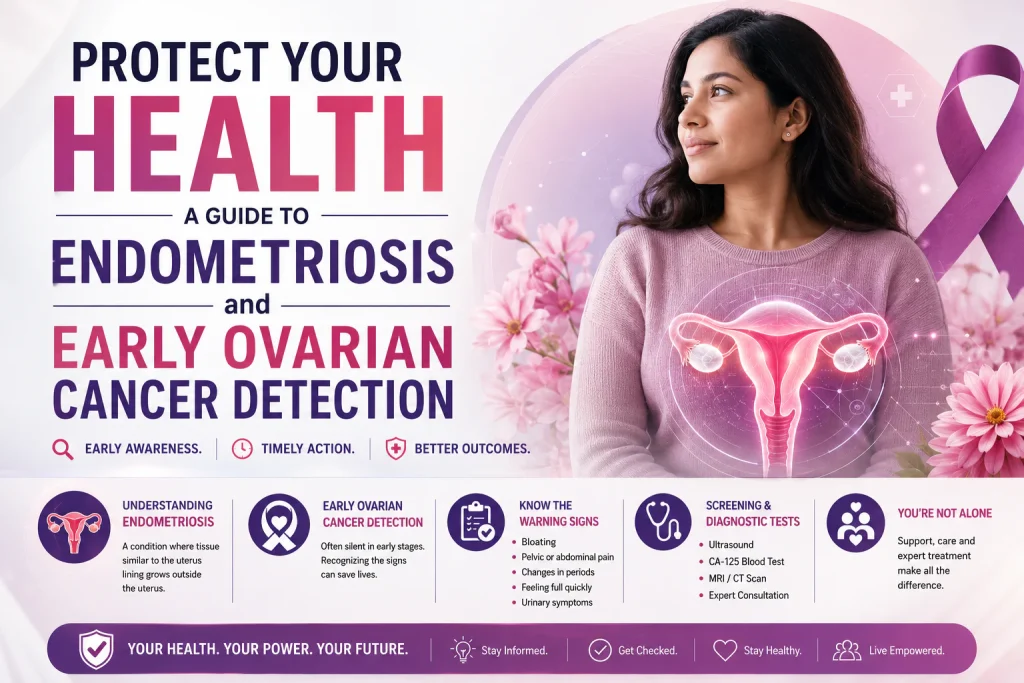
For millions of women worldwide, an endometriosis diagnosis is a validation of the chronic pain, heavy periods, and fertility struggles they have endured, often for years. It’s a complex condition where tissue similar to the lining of the uterus grows outside it, affecting the ovaries, fallopian tubes, and pelvic lining.
However, alongside the relief of a diagnosis often comes a profound anxiety: Can endometriosis turn into ovarian cancer?
Recent insights from leading Indian medical experts, as highlighted in a Times of India report, provide crucial clarity on this question. While the connection exists, it is nuanced. Understanding the signs, prioritizing early diagnosis, and knowing where to find world-class gynecologic oncology care can make all the difference. For patients across Africa, Uzbekistan, Russia, and the Middle East seeking advanced, affordable cancer treatment, India has emerged as a beacon of hope and medical excellence.
The Endometriosis and Ovarian Cancer Link: Facts Over Fear
The primary message from top oncologists is clear: Endometriosis itself is NOT cancer. It is a benign (non-cancerous) condition. The vast majority of women living with endometriosis will never develop ovarian cancer in their lifetime.
However, medical research indicates that women with endometriosis have a slightly higher risk of developing certain specific types of ovarian cancer compared to the general population. This slightly elevated risk should not be a cause for panic; rather, it should serve as a powerful catalyst for vigilance and regular medical follow-ups.
The danger lies in complacency. Because endometriosis inherently causes pelvic pain, bloating, and discomfort, women often become accustomed to these symptoms. They learn to live with the pain. This normalization can lead them to dismiss new or worsening symptoms that could be early warning signs of ovarian cancer.
Recognizing Ovarian Cancer Symptoms
Ovarian cancer is often referred to as a “silent killer” because its early symptoms are notoriously vague and easily mistaken for common digestive or menstrual issues. This is especially true for women already dealing with the complex symptom profile of endometriosis.
According to leading gynecologic oncologists, you must seek prompt medical evaluation if you experience symptoms that are new, persistent, worsening, or different from your usual endometriosis pattern. Key signs to watch for include:
- Persistent or Worsening Pelvic/Abdominal Pain: Pain that feels different or more severe than your usual menstrual cramps.
- Chronic Bloating: Feeling significantly bloated or swollen, not just for a few days around your period.
- Feeling Full Quickly (Early Satiety): Experiencing difficulty eating or feeling full after only a few bites.
- Unexplained Weight Loss: Losing weight without trying.
- Changes in Bowel Habits: Persistent indigestion, constipation, or diarrhea that isn’t typical for you.
- Frequent Urination: A constant need to urinate or feeling pressure on the bladder.
Note: These symptoms do not automatically mean cancer. Large endometriotic cysts or other benign conditions can cause them. The key is to investigate changes in your baseline health.
Why Early Diagnosis is Crucial
The importance of early diagnosis extends far beyond just “finding cancer sooner.” Identifying the root cause of a pelvic mass or changing symptoms allows doctors to determine the exact nature of the problem—whether it’s an endometriotic cyst, another type of benign growth, or something more serious.
Early diagnosis provides flexibility. It allows a multidisciplinary team to address ovarian cysts and complications proactively, before they cause major issues like ruptures or significant damage to surrounding organs. When cancer is present, detecting it in its earliest stages drastically improves treatment outcomes and survival rates.
Regular follow-ups and listening to your body are your strongest tools. Do not let the familiar pain of endometriosis mask the subtle warning signs of something new.
Gynecologic Oncology: The Paradigm of Personalized Care
The treatment landscape for complex gynecological conditions has transformed dramatically. Care is no longer a one-size-fits-all approach aimed solely at reducing pain. Modern gynecologic oncology is intensely personalized.
When managing endometriosis with a potential cancer risk, or treating diagnosed ovarian cancer, Indian hospitals employ a multidisciplinary tumor board approach. This team typically includes:
- Gynecologic Oncologists: Surgeons specializing in cancers of the female reproductive system.
- Radiologists: Experts in advanced imaging (MRI, PET-CT) to precisely map the disease.
- Pathologists: Specialists who analyze tissue samples to determine the exact tumor type.
- Fertility Specialists: Crucial for younger patients, helping to preserve fertility options (like egg freezing) before aggressive treatments begin.
- Medical and Radiation Oncologists: Managing chemotherapy, targeted therapy, and radiation if necessary.
This collaborative team considers a patient’s age, family history, fertility desires, and mental well-being to craft a highly individualized treatment strategy.
Ovarian Cancer Treatment in India: A Global Hub of Excellence
For patients navigating a complex diagnosis like ovarian cancer or severe endometriosis, the quality of medical care is paramount. However, access to advanced treatments is often hindered by exorbitant costs in the West or a lack of specialized infrastructure in developing nations.
This is why India has become a premier destination for medical tourism, particularly for complex oncology cases.
Here is why international patients choose India for ovarian cancer care:
1. Access to Cutting-Edge Technology
Indian corporate hospitals are equipped with the latest technology for precise diagnosis and minimally invasive treatment. This includes advanced robotic surgery systems (like the Da Vinci robot), which allow for complex tumor removals with smaller incisions, less pain, and faster recovery times. They also utilize advanced genomic profiling to determine if a patient is a candidate for newer, highly effective targeted therapies (like PARP inhibitors).
2. Globally Trained, High-Volume Surgeons
Indian gynecologic oncologists are among the most experienced in the world. Due to the high volume of patients treated in major Indian centers, these surgeons possess unparalleled expertise in complex pelvic surgeries and comprehensive surgical staging for ovarian cancer—a critical factor in successful outcomes.
3. The Cost Advantage (Without Compromising Quality)
Cancer treatment in the US, UK, or Europe can lead to devastating financial strain. In India, patients can receive the exact same standard of care, using identical chemotherapy drugs and surgical protocols, at a fraction of the cost—often 60% to 80% less than Western prices. This affordability makes world-class care accessible to a broader global population.
4. Zero Wait Times
When dealing with a potential cancer diagnosis, every week counts. Unlike the public healthcare systems in many countries where patients endure long waitlists for scans or surgeries, Indian private hospitals offer immediate access to consultations, diagnostics, and surgical interventions.
Specialized Support for International Patients
At Humane Medical Assistance, we understand that navigating a cancer diagnosis in a foreign country is daunting. We bridge the gap for patients traveling from specific regions, ensuring their journey is seamless and culturally sensitive.
Care for Patients from Africa
For patients from countries like Nigeria, Kenya, and Tanzania, access to specialized gynecologic oncology and advanced robotic surgery can be limited. We coordinate complex care pathways, ensuring prompt medical visas, arranging consultations with top oncologists in India, and providing dedicated case managers who understand African cultural nuances and provide comprehensive ground support.
Care for Patients from Uzbekistan and Russia (CIS Region)
Language barriers and a need for highly specialized second opinions often drive patients from the CIS region to India. Humane Medical Assistance provides dedicated, medically trained Russian-speaking interpreters who remain with the patient throughout their entire hospital stay. We facilitate access to advanced diagnostics (like PET-CT and genetic testing) that might be scarce locally, ensuring clear communication and zero medical misunderstandings.
Care for Patients from the Middle East
Patients from the UAE, Saudi Arabia, Oman, and Iraq often seek Indian healthcare for access to renowned veteran surgeons and the utmost privacy. We arrange VIP hospital suites, ensure strict adherence to Halal dietary requirements, provide Arabic-speaking patient coordinators, and manage all logistics for a comfortable and discreet medical journey.
FAQs
Q: Does having endometriosis mean I will definitely get ovarian cancer?
A: No. Endometriosis is a benign condition. While research shows a slightly increased risk for certain types of ovarian cancer compared to the general population, the vast majority of women with endometriosis will never develop ovarian cancer.
Q: What are the warning signs that my endometriosis might be changing or something more serious is wrong?
A: You should consult a doctor if you experience new, persistent, or worsening symptoms, such as chronic bloating, persistent pelvic or abdominal pain, feeling full quickly, unexplained weight loss, or changes in bowel or bladder habits that differ from your usual endometriosis symptoms.
Q: Why do international patients choose India for ovarian cancer treatment?
A: Patients choose India for its world-class, JCI-accredited hospitals, globally trained oncologists, advanced technology (like robotic surgery and genomic testing), and significantly lower costs (often 60-80% cheaper than the West), all with zero wait times for critical care.
Q: How does a multidisciplinary team approach benefit an ovarian cancer patient?
A: A multidisciplinary team ensures that specialists from various fields (surgery, radiology, pathology, medical oncology, fertility) collaborate on your case. This guarantees a personalized treatment plan that addresses not just the cancer, but also factors in your overall health, fertility preservation goals, and quality of life.
Q: Can I get language support if I travel to India for treatment from Uzbekistan or the Middle East?
A: Yes. Organizations like Humane Medical Assistance provide dedicated, medically trained interpreters in Russian, Arabic, Swahili, French, and other languages. These interpreters assist during consultations, ensure you understand all medical procedures, and help you navigate the hospital environment comfortably.
Your Path Forward: Knowledge and Expert Care
Living with endometriosis requires resilience. But it should never require you to live in fear or ignore your body’s signals. By understanding the symptoms of ovarian cancer and prioritizing regular follow-ups, you take control of your health.
If you are facing a complex diagnosis or are seeking advanced, affordable gynecologic oncology care, India offers a compelling solution. You do not have to face this journey alone.
Contact Humane Medical Assistance today for a comprehensive, no-obligation medical opinion from India’s top oncologists. We handle the logistics, language, and travel, so you can focus entirely on your health and recovery.