When the word “cancer” comes up, people often feel a sense of dread. For generations, the main narrative has emphasized family history and genetics. Many people view their DNA as a biological crystal ball. They assume their health destiny is permanently written. This frightening perspective creates a false sense of powerlessness. It takes control away from our daily choices.
However, modern oncology is steadily dismantling this belief. Groundbreaking insights from leading medical experts are changing the conversation. We are moving from genetic fatalism to proactive empowerment. The bigger story of cancer is rarely inheritance. Instead, it is about how we live, breathe, eat, and move every day.
At Humane Medical Assistance, our core mission is to empower individuals. We connect patients with world-class healthcare solutions. As a global medical tourism facilitator, we see incredible advancements in modern oncology. But we also recognize that knowledge is the most powerful tool. Understanding the true drivers of cancer risk is vital. It allows you to take charge of your health early.
The Myth of “Genetic Destiny”
The idea that cancer is strictly inherited is a massive myth. Yes, certain genetic mutations can elevate your risk. The BRCA1 and BRCA2 genes associated with breast cancer are prime examples. However, these inherited mutations are the exception, not the rule.
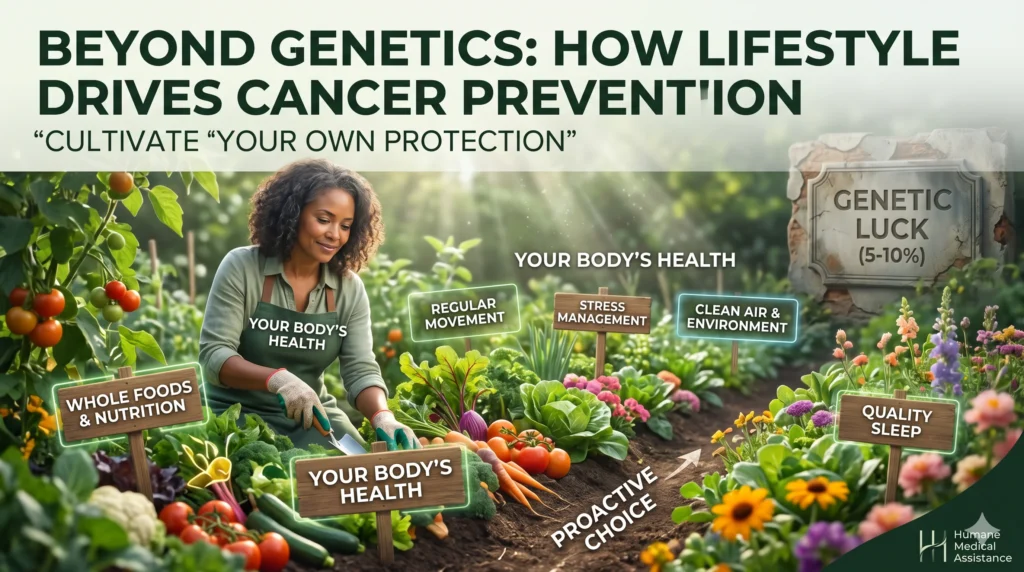
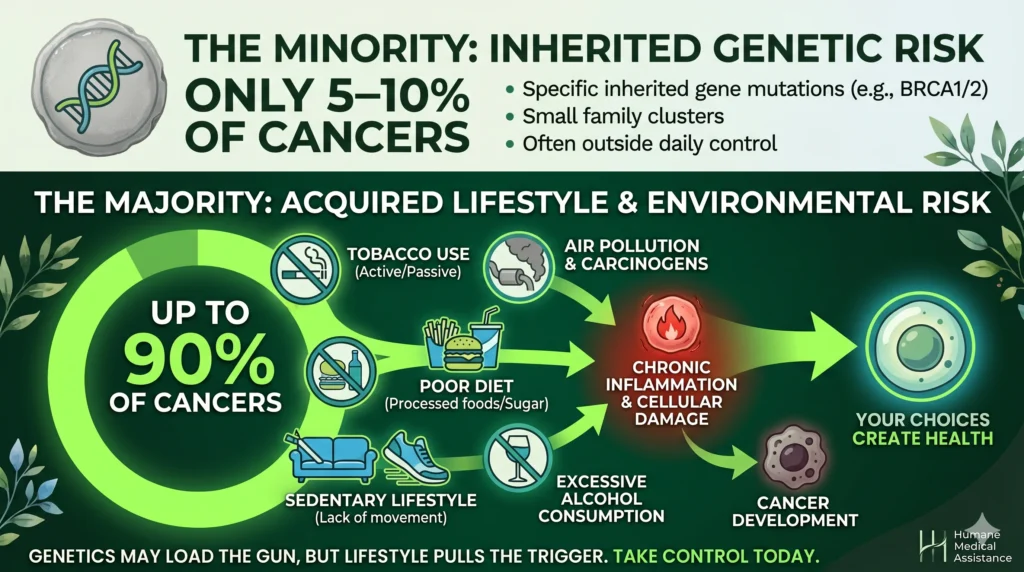
Leading oncologists highlight a very crucial fact. Only about 5% to 10% of all cancer cases are linked to inherited genetics. The remaining 90% to 95% are driven by lifestyle choices and environmental exposures.
This distinction is monumental. It completely reframes our responsibility toward our own health. For most of the global population, cancer is not a condition you are born with. It is a disease that develops over time due to specific exposures. If lifestyle shapes your risk, prevention becomes a practical daily practice. Genetics may load the gun, but our habits pull the trigger.
The Major Lifestyle Triggers: What the Data Shows
To lower our risk effectively, we must understand what causes cellular damage over time. Large population studies point to specific daily drivers of global cancer cases. We must examine these closely.
The Persistent Danger of Tobacco
Despite decades of public health campaigns, smoking remains a massive cancer trigger. According to the WHO, tobacco use is the dominant risk factor for lung cancer. It causes a staggering 85% of cases worldwide.
The danger of smoking extends far beyond the lungs. Toxic chemicals in cigarette smoke enter the bloodstream and travel everywhere. This increases the risk of mouth, throat, pancreas, and kidney cancers. Smoking is a cumulative hazard. The longer the exposure, the higher the risk climbs. However, the human body has a remarkable capacity for healing. Quitting smoking at any age significantly reduces your risk. It is never too late to stop.
Air Pollution: The Invisible, Involuntary Risk
Smoking is a voluntary choice, but air pollution is an involuntary exposure. In rapidly industrializing cities, the air we breathe is a profound health hazard. The International Agency for Research on Cancer classifies outdoor air pollution as a Group 1 carcinogen. This places polluted air in the same risk category as tobacco smoke.
Constant exposure to high Air Quality Index (AQI) levels forces particulate matter into the lungs. This creates persistent damage that can initiate cancerous mutations. This environmental reality explains a very troubling modern trend. Non-smokers are now developing lung cancer at much higher rates than before.
The Modern Diet and Sedentary Living
What we consume daily plays a critical role in cellular health. A diet high in ultra-processed foods creates a biological environment ready for disease. Artificial preservatives, refined sugars, and red meats are major culprits. When combined with a lack of physical activity, these diets cause severe issues.
Obesity is no longer just a metabolic concern. The National Cancer Institute recognizes it as a leading risk factor for multiple cancers. Excess body fat is biologically active. It produces hormones and inflammatory proteins that encourage cells to divide rapidly. This greatly increases the likelihood of dangerous mutations.
The Role of Chronic Alcohol Consumption
Alcohol consumption is another highly significant lifestyle factor. When the body metabolizes alcohol, it breaks it down into acetaldehyde. This is a toxic chemical and a known carcinogen. Acetaldehyde directly damages DNA and proteins within the body. Long-term exposure to alcohol contributes significantly to specific diseases. It heavily influences the development of liver, breast, and digestive tract cancers.
The Biological Undercurrent: Chronic Inflammation
Why do these varied lifestyle factors all lead to the same disease? The biological common denominator is chronic inflammation.
Cancer risk does not materialize from a single unhealthy meal or skipped workout. It is a slow, compounding, and gradual process. Poor food choices, toxins, chronic stress, and bad sleep keep the immune system alarmed. Over time, this chronic inflammation damages healthy cells. It severely impairs the body’s natural DNA repair mechanisms.
A government-backed report explicitly linked rising cancer incidence to changing lifestyles. This is especially true in fast-paced urban areas. These are not rare risks. They are the everyday patterns of modern life.
The Evolution of Treatment and Medical Tourism
Prevention is the ultimate goal, but cancer treatment is undergoing a revolutionary transformation. The historical idea of harsh, endless, hospital-bound treatment is changing. Modern oncology is rapidly shifting toward patient-centric approaches.
The focus is balancing treatment effectiveness with the patient’s quality of life. Newer treatments like targeted therapies aim to reduce hospital administration time. This allows patients to spend more time in normal, healing environments.
This is where global healthcare access becomes incredibly important. Advanced treatments are not always available or affordable in every country. As a dedicated medical tourism agency, Humane Medical Assistance bridges this gap. We facilitate seamless access to the world’s leading oncology centers.
We ensure international and domestic patients can focus entirely on recovery. From coordinating complex itineraries to managing local accommodations, we help. Humane Medical Assistance ensures patients receive the most advanced oncological care globally.
Actionable Habits to Lower Your Risk
Reducing your cancer risk does not require extreme lifestyle overhauls. It is about building steady, sustainable habits. These habits signal health to your cells every day. Here are practical steps you can take today:
- Eliminate Tobacco: Avoid it completely. If you currently use tobacco, seeking support to quit is vital. It is the single most effective step you can take.
- Mitigate Air Pollution: Pay attention to local AQI levels. On hazardous days, limit strenuous outdoor physical activity. Utilize high-quality N95 masks in heavily polluted urban environments.
- Move Consistently: You do not need extreme athletic training to see benefits. Integrating 30 minutes of brisk walking into your day helps tremendously. It improves metabolic health and regulates systemic inflammation.
- Nourish with Whole Foods: Shift your diet toward foods in their natural state. Eat colorful vegetables, whole fruits, and complex grains. Home-cooked meals provide antioxidants necessary to repair cellular damage.
- Prioritize Sleep: Sleep is not a luxury; it is a biological necessity. It is when your body performs its most critical cellular repairs. Aim for consistent sleep and actively manage your chronic stress.
- Commit to Screenings: Early detection changes clinical outcomes dramatically. Adhere to your physician’s guidelines for routine cancer screenings.
Conclusion: Reclaiming Your Health Narrative
For far too long, the fear of genetic destiny has overshadowed human agency. Up to 90% of cancer cases are linked directly to lifestyle and environment. The ability to protect ourselves is largely in our own hands. Every positive choice is a step toward profound long-term health.
However, if you or a loved one face a diagnosis, you have options. You do not have to navigate complex advanced treatments alone. Humane Medical Assistance is deeply committed to guiding your healthcare journey. We connect you with elite oncological expertise and facilitate seamless medical travel. Your genetics do not dictate your destiny. Your location should never limit your access to life-saving care..