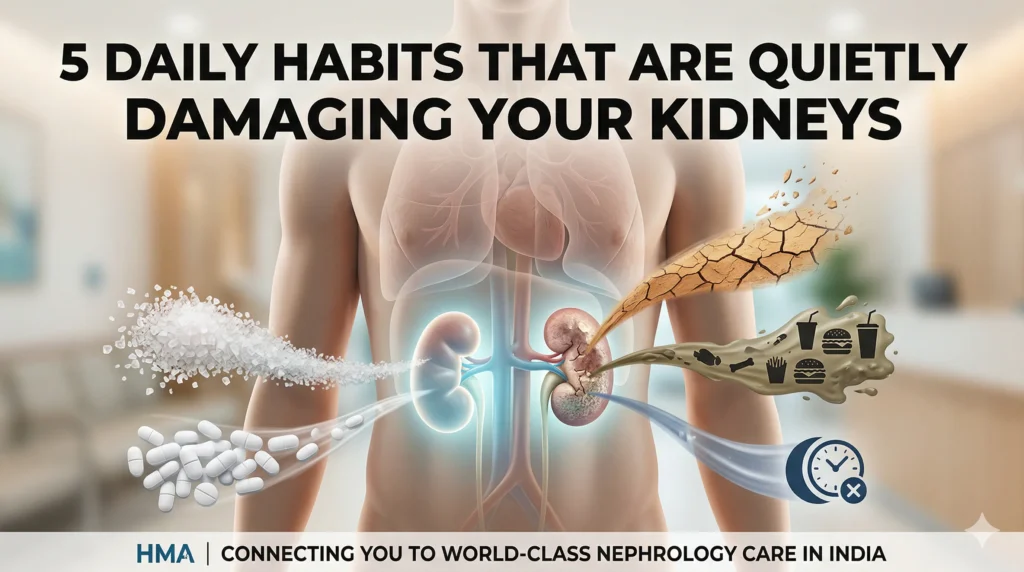
The kidneys are often the most overlooked organs in the human body until something goes terribly wrong. Every day, these two vital, bean-shaped organs tirelessly filter waste, regulate electrolytes, maintain your blood pressure, and balance bodily fluids. They are incredibly resilient, but they are not invincible.
According to global health data, chronic kidney disease (CKD) is a staggering, silent epidemic. A 2020 study published in The Lancet highlighted that an estimated 697.5 million people worldwide suffer from kidney disease, with nearly one-third residing in India and China alone. The World Health Organization (WHO) warns that roughly 10% of the global population is currently living with this silent killer.
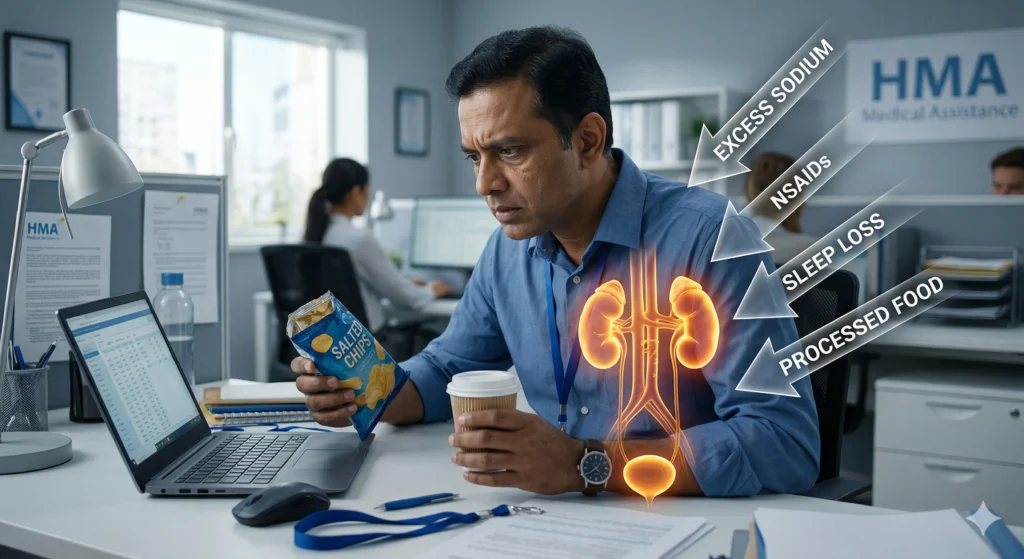
While conditions like diabetes and hypertension are well-known primary culprits, medical professionals warn that our everyday choices play a massive role in renal health. Dr. Shalabh Agrawal, Director of Urology & Andrology at a premier hospital in Gurugram, India, recently shared the five common daily habits that quietly inflict serious, irreversible damage on our kidneys over time.
At Humane Medical Assistance, we believe that proactive education is the first step toward long-term health. Before you require advanced medical intervention, it is crucial to examine your daily routine. Here are the five habits you need to rethink to protect your kidneys today.
1. Excessive Salt Consumption
We all know that too much salt is bad for the heart, but it is equally disastrous for the kidneys. The World Health Organization strictly recommends consuming no more than 5 grams of salt per day. Unfortunately, thanks to the convenience of processed foods, restaurant meals, and packaged snacks, the average person consumes significantly more than this limit.
The Damage Mechanism: When you consume excess salt, your body desperately holds onto water to dilute the sodium in your bloodstream. This added fluid volume spikes your blood pressure. High blood pressure acts like a power washer against the delicate, microscopic blood vessels (nephrons) inside your kidneys, stretching and scarring them over time. The Journal of the American Society of Nephrology confirms that high salt intake drastically accelerates the decline of kidney function, especially in patients who already have hypertension.
2. The Overuse of Painkillers
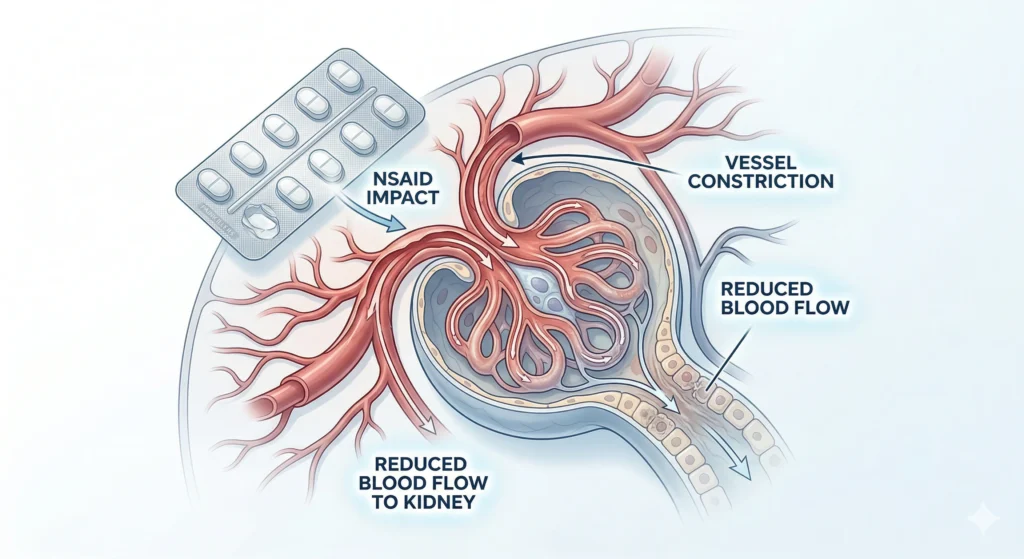
When a headache strikes or back pain flares up, reaching for over-the-counter painkillers is a reflex for many people. However, the chronic overuse of non-steroidal anti-inflammatory drugs (NSAIDs) such as ibuprofen, naproxen, and diclofenac is a major driver of acute and chronic kidney injury.
The Damage Mechanism: According to the National Kidney Foundation, NSAIDs work by blocking certain chemicals in the body, including prostaglandins. While this reduces pain and inflammation, prostaglandins are also the exact substances responsible for keeping blood vessels in the kidneys open. Overusing these painkillers literally constricts the blood flow to your kidneys, starving them of oxygen and causing tissue damage. This risk is exponentially higher for older adults or anyone with pre-existing renal issues.
3. Chronic Lack of Water Intake
“Drink more water” is the most common health advice in the world, yet millions of people remain chronically dehydrated. Proper hydration is non-negotiable for renal health. Your kidneys use water to physically flush toxins and metabolic waste out of your body via urine.
The Damage Mechanism: When you do not drink enough water, your urine volume drops, and the urine becomes highly concentrated. This allows minerals like calcium, oxalate, and uric acid to crystallize and bind together, forming incredibly painful kidney stones. Furthermore, chronic dehydration forces the kidneys to work twice as hard to clear toxins, which can lead to long-term wear and tear and an increased risk of severe urinary tract infections.
4. Frequent Consumption of Ultra-Processed Foods
The modern diet is heavily reliant on ultra-processed foods—think instant noodles, sugary sodas, frozen meals, and packaged baked goods. While convenient, these foods are an absolute minefield for your renal system.
The Damage Mechanism: Aside from being loaded with hidden sodium, ultra-processed foods are packed with artificial phosphorus additives used to enhance flavor and prolong shelf life. Unlike naturally occurring phosphorus (found in nuts and beans), the body absorbs artificial phosphorus additives almost completely. Research published in the American Journal of Clinical Nutrition explicitly links the high consumption of these processed foods to an increased risk of CKD. Over time, high phosphorus levels pull calcium from your bones and force your kidneys to work in overdrive to filter it out.
5. Chronic Sleep Deprivation

In our fast-paced society, sleep is often the first thing sacrificed for work or entertainment. However, treating sleep as a luxury rather than a biological necessity takes a severe toll on your internal organs.
The Damage Mechanism: Kidney function is deeply tied to the body’s natural circadian rhythm (your 24-hour internal clock). During deep sleep, your body undergoes critical repair and regeneration, and your kidneys actually decrease their workload. A study by the National Institutes of Health (NIH) found that poor sleep quality, or consistently sleeping fewer than six hours per night, significantly increases the risk of kidney disease. Chronic sleep deprivation also directly elevates blood pressure and disrupts glucose metabolism, further stressing the kidneys.
Breaking the Cycle: Protecting Your Future
Kidney damage is notoriously slow and completely silent. You will not feel a single symptom while your nephrons are quietly sustaining damage from these daily habits. By the time symptoms like swelling, severe fatigue, or changes in urination finally appear, the disease has often progressed to a critical stage.
The good news is that lifestyle modification works. By reducing your sodium intake, limiting NSAIDs, staying hydrated, eating whole foods, and prioritizing sleep, you can drastically reduce the strain on your renal system.
How Humane Medical Assistance Can Guide You
If you have a history of these habits, a family background of kidney disease, or underlying conditions like diabetes and hypertension, routine medical screening is your absolute best defense. A simple blood test (eGFR) and urine test can catch renal stress years before it becomes a crisis.
For international and domestic patients seeking clarity, advanced diagnostics, or specialized treatment, India stands out as a global leader in nephrology and urology. Gurugram, Delhi, Mumbai, and other major medical hubs in India boast JCI-accredited facilities and some of the world’s most experienced renal specialists.
At Humane Medical Assistance, our mission is to make this elite level of medical care accessible, seamless, and stress-free. Whether you need a comprehensive medical evaluation to catch early dysfunction or require advanced treatment for existing kidney disease, we serve as your dedicated healthcare partner.
Our comprehensive services include:
- Expert Second Opinions: We arrange online consultations with India’s top nephrologists before you even travel.
- Hospital Matchmaking: We connect you with globally accredited hospitals perfectly suited to your specific medical needs.
- End-to-End Logistical Support: We manage everything from your medical visa and specialized airport transfers to comfortable, recovery-focused accommodations.
- On-the-Ground Advocacy: Our dedicated care coordinators accompany you to the hospital, ensuring seamless communication and priority care.
Your kidneys work tirelessly to protect you; it is time you return the favor.
Are you concerned about your kidney health or seeking an expert second opinion? Do not wait for symptoms to appear. Contact Humane Medical Assistance today for a Free Consultation and let us connect you with the world-class medical clarity you deserve.