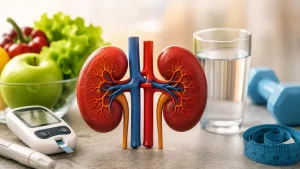
The human body is an incredibly complex, interconnected system that constantly sends us signals when something is wrong. However, when it comes to kidney health, those signals are often subtle, easily ignored, or mistaken for everyday stress.
Your kidneys are two bean-shaped organs that act as your body’s master filtration system. Every single day, they filter about 200 quarts of blood, removing toxins, excess water, and waste products to create urine. Beyond filtration, they play a crucial role in regulating blood pressure, producing red blood cells, and keeping your bones strong.
When your kidneys begin to fail, the decline is often gradual. This is why Chronic Kidney Disease (CKD) is frequently referred to as a “silent killer.” According to medical experts, a staggering number of people with early-stage kidney disease are entirely unaware of their condition. By the time the symptoms become severe and impossible to ignore, the kidneys may already be in the advanced stages of failure, requiring dialysis or a kidney transplant.
At Humane Medical Assistance, we believe that early detection is the ultimate key to preserving your health. If you are experiencing any of the following 6 early warning symptoms, it might be your kidneys crying out for help.
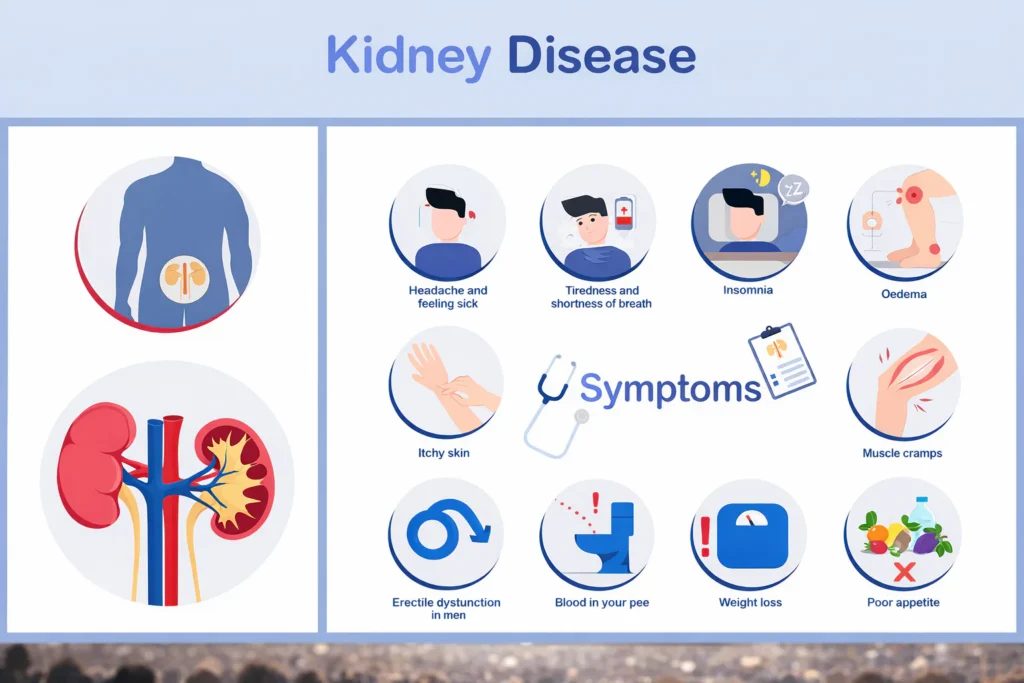
1. Persistent Fatigue, Weakness, and Brain Fog
We all feel tired from time to time. But the fatigue associated with kidney dysfunction is profound and relentless. It doesn’t go away with a good night’s sleep or a cup of coffee.
Healthy kidneys produce a vital hormone called Erythropoietin (EPO), which signals your bone marrow to make oxygen-carrying red blood cells. When your kidneys are damaged, they produce less EPO. This leads to a drop in red blood cells, a condition known as anemia. Without enough oxygen being delivered to your brain and muscles, you will feel constantly exhausted, physically weak, and may struggle with memory issues or “brain fog.”
Additionally, as kidney function declines, toxins and impurities build up in your bloodstream, further contributing to a heavy, lethargic feeling.
2. Swelling in the Ankles, Feet, Face, or Hands (Edema)
One of the primary jobs of your kidneys is to remove excess fluid and sodium from your body. When the kidneys’ delicate filters are damaged, they can no longer maintain this crucial balance.
As a result, sodium and fluid are retained in your body’s tissues. This usually manifests as noticeable swelling—medically known as edema. You might find that your shoes feel unusually tight by the end of the day, your rings are difficult to take off, or you wake up with distinct puffiness around your eyes (periorbital edema). While occasional swelling can happen due to heat or standing for long periods, persistent swelling that pits when you press on it is a massive red flag that your kidneys need evaluation.
3. Unexplained Changes in Urination Patterns
Because your kidneys produce urine, changes in your bathroom habits are often one of the very first indicators that something is amiss. You should pay close attention if you notice:
- Increased Frequency at Night: Waking up multiple times during the night to urinate (nocturia) is a classic sign of kidney stress. When the kidney filters are damaged, it can cause an increase in the urge to urinate.
- Decreased Output: Producing significantly less urine than normal, despite drinking adequate fluids, means your kidneys are struggling to process liquid.
- Pressure or Difficulty: Feeling a sense of pressure or pain while urinating can indicate kidney stones, infections, or underlying structural issues.
4. Foamy or Excessively Bubbly Urine
If you look into the toilet bowl and notice excessive foam or bubbles that require you to flush multiple times before they disappear, you need to contact a doctor.
This symptom is a strong indicator of proteinuria—protein leaking into the urine. Healthy kidneys act like a tightly woven net, keeping important nutrients like protein inside the body while letting waste pass through. When the kidneys are damaged, this “net” develops holes, allowing proteins, specifically albumin, to leak out. The foam you see in the toilet is actually the protein albumin reacting with the water, very similar to the foam you see when whipping egg whites.
5. Blood in the Urine (Hematuria)
This is a symptom that should never, under any circumstances, be ignored. Urine should be a pale yellow or clear color. If your urine appears pink, red, or cola-colored, it means there is blood present.
Just as damaged kidneys leak protein, they can also allow red blood cells to slip through the filtration system and into your urine. While blood in the urine can also be a sign of a severe urinary tract infection, a benign prostate issue, or a kidney stone, it is a hallmark symptom of kidney disease and even kidney tumors. It requires immediate, professional medical investigation.
6. Dry, Itchy Skin and a Metallic Taste in the Mouth
The kidneys do more than filter waste; they also work to maintain the exact right balance of minerals and nutrients in your blood. When the kidneys fail, they can no longer balance minerals like phosphorus and calcium. This imbalance often leads to severe, relentless itching and deeply dry skin that no amount of lotion can soothe.
Furthermore, as a condition called “uremia” sets in—where waste products build up to toxic levels in the blood—it can actually change the way food tastes. Many patients with advancing kidney disease report a constant metallic taste in their mouths, bad breath that smells like ammonia, and a sudden, severe aversion to eating meat. This toxic buildup can also lead to chronic morning nausea and a complete loss of appetite.
Do Not Ignore the Warnings: Get Screened
If you have risk factors such as diabetes, high blood pressure, a family history of kidney failure, or if you are over the age of 60, you must be vigilant. Experiencing one or more of these symptoms does not automatically mean your kidneys are failing, but it does mean your body is demanding an immediate medical evaluation.
Kidney health can be assessed with two very simple, inexpensive tests: a blood test to check your eGFR (estimated glomerular filtration rate) and a routine urine test to check for the presence of albumin (protein).
Finding World-Class Kidney Care in India
A diagnosis of kidney disease is frightening, but it is highly manageable when caught early and treated by the right specialists. For patients globally, accessing elite-level nephrology care can be difficult due to long waiting lists or exorbitant medical costs.
This is why thousands of international patients travel to India every year for advanced renal care. India is globally recognized for its world-class nephrologists, cutting-edge dialysis centers, and highly successful kidney transplant programs. Top JCI and NABH-accredited hospitals in cities like Delhi, Mumbai, and Hyderabad utilize the most advanced diagnostic and surgical technologies available today, providing care that rivals the best institutions in the West, but at a highly accessible cost.
How Humane Medical Assistance Can Support You

At Humane Medical Assistance, we understand that navigating a complex medical issue like kidney disease is physically and emotionally exhausting. You shouldn’t have to figure it out alone.
As your dedicated medical tourism partner, we bridge the gap between you and India’s premier healthcare institutions. We ensure that your journey to recovery is safe, seamless, and completely tailored to your clinical needs.
Our patient-focused services include:
- Connecting You with Elite Specialists: We arrange online consultations with top Indian nephrologists and urologists so you can get a second opinion and a clear treatment plan before you travel.
- Matching You with the Right Hospital: We guide you to the accredited hospitals that specialize in advanced kidney care, dialysis management, and transplant surgery.
- Handling All Logistics: We take the stress out of medical travel by managing your medical visa applications, airport transfers, local accommodation, and providing dedicated language translators.
- Transparent Healthcare: We provide clear, upfront cost estimations for all diagnostics and treatments, ensuring peace of mind.
Your kidneys work tirelessly to protect your body; it is time to protect them. If your body is sending you warning signs, listen to them.
Are you experiencing these symptoms or seeking an expert second opinion for a kidney condition? Get a Free Consultation today with Humane Medical Assistance and take the first step toward safeguarding your health.