MasterChef Pankaj Bhadouria’s Inspiring Journey and the Science of Healing Foods
When we think of MasterChef Pankaj Bhadouria, we picture vibrant culinary creations, masterful techniques, and a warm television presence that brought the joy of cooking into millions of Indian homes as the winner of MasterChef India Season 1. However, earlier this year, the beloved chef shared a deeply personal and vulnerable update with her followers: a diagnosis of breast cancer.
Alongside navigating the rigorous medical protocols and treatment plans prescribed by her oncologists, Bhadouria turned to something that had anchored her entire life—food. But this time, she wasn’t cooking for a television segment, a judging panel, or a restaurant menu. She was cooking to nourish, heal, and support her own body through one of its toughest battles.
In a candid video shared with her supporters, Bhadouria recounted a simple yet profound question she posed to her medical team: “Are there foods I can include in my daily diet that may help support my body and protect my cells?”
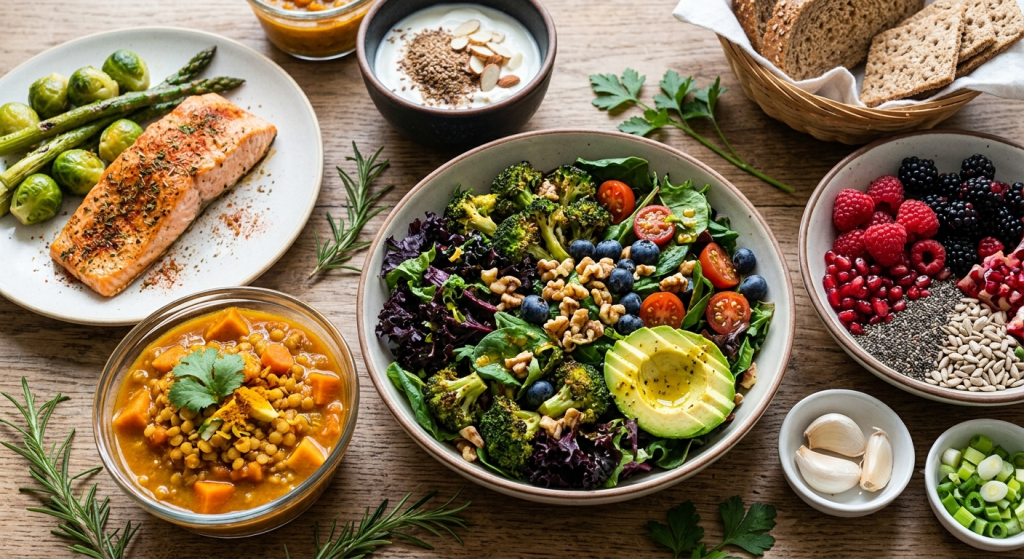
In response, her doctors provided a list of powerful, nutrient-dense foods. Far from being exotic or unattainable superfoods, these are ingredients found right in traditional Indian kitchens. Let’s take an in-depth look at these five doctor-recommended foods, the science behind why they matter, and the broader lessons we can learn about food, healing, and mindful living.
1. Turmeric: The Golden Standard of Anti-Inflammatory Science
At the top of the list is turmeric—a staple in nearly every Indian household. For generations, haldi has been revered in Ayurveda for its healing properties, but modern science has increasingly validated its potent biochemistry.
Turmeric contains curcumin, a natural polyphenol renowned for its powerful anti-inflammatory and antioxidant properties. Chronic inflammation is increasingly recognized by medical researchers as a foundational driver for many degenerative conditions and cellular stress. By combating oxidative stress, curcumin helps protect cells from damage.
However, incorporating turmeric effectively requires a bit of culinary chemistry, as Pankaj Bhadouria notes: “I prefer having it with black pepper and a little healthy fat for better absorption.”
- The Science of Bioavailability: Curcumin on its own has relatively low bioavailability; it is quickly metabolized and eliminated by the liver before the body can fully absorb it. Piperine, the active compound found in black pepper, has been scientifically shown to enhance curcumin absorption by up to 2,000%. Pairing turmeric with black pepper and a healthy fat (like ghee or olive oil, since curcumin is fat-soluble) unlocks its maximum therapeutic potential.
2. Amla (Indian Gooseberry): The Vitamin C Powerhouse
Sharp, tart, and deeply refreshing, amla is an ancient Indian super-berry that packs an incredible nutritional punch.
Amla is exceptionally rich in natural Vitamin C, powerful antioxidants, and dietary fiber. Vitamin C is essential for robust immune function, collagen synthesis, and defending the body against free radicals that cause cellular wear and tear. Furthermore, traditional and modern dietary science link amla to improved digestive health, enhanced metabolic function, and overall vitality.
- How to Consume It: Whether enjoyed fresh, blended into a zesty chutney, or consumed as an unsweetened juice, amla is a versatile addition to any wellness routine. Its tart profile awakens the palate while flooding the system with vital micronutrients.
3. Ashwagandha: Managing Stress and Restoring Balance
While culinary ingredients usually focus on vitamins and minerals, Bhadouria’s medical advisors also recommended ashwagandha, one of the most powerful adaptogenic herbs in Ayurvedic medicine.
Cancer diagnoses and treatments place immense physiological and psychological stress on the body. Ashwagandha is traditionally used to support stress management, improve resilience against anxiety, and promote overall well-being.
- What Research Shows: Modern pharmacological studies suggest that ashwagandha extract can help lower cortisol levels (the body’s primary stress hormone) and regulate the nervous system. Some clinical observations also point toward its role in improving sleep quality—a vital component of recovery.
- A Word of Caution: Because ashwagandha is a potent herb, medical guidelines—including cautions from health authorities—emphasize that herbal supplements should always be taken in moderation and strictly under the guidance of a healthcare professional. Ashwagandha is generally well-tolerated for short-term use (up to three months), but consulting a doctor ensures it does not interact with primary medical treatments.
4. Garlic: Unlocking Allicin’s Protective Compounds
Garlic is another everyday kitchen champion that doubles as a powerful natural medicine. It contains sulfur-containing compounds, most notably allicin, which is formed when a garlic clove is crushed, chopped, or minced.
Allicin exhibits strong antimicrobial, antioxidant, and immune-supportive properties. However, unlocking these benefits requires a specific culinary technique.
- The Resting Rule: Allicin isn’t pre-formed in intact garlic cloves; it is created when enzymes interact upon cellular damage. Pankaj Bhadouria emphasizes: “Crush or chop it and let it rest for a few minutes before eating or lightly cooking it.” Giving crushed garlic 5 to 10 minutes to “rest” allows the maximum amount of allicin to develop before heat deactivates the enzyme. To preserve its medicinal potency, garlic is best consumed raw or with minimal, gentle cooking.
5. Broccoli: The Cruciferous Shield
Cruciferous vegetables like broccoli are nutritional powerhouses loaded with essential vitamins, minerals, dietary fiber, and unique plant compounds like sulforaphane, which have been extensively studied for their cellular-protective qualities.
- Preparation Matters: Steaming broccoli lightly is one of the best ways to enjoy it. Overboiling or overcooking cruciferous vegetables can leach out water-soluble vitamins and destroy delicate enzymes necessary for maximizing their nutritional benefits. Light steaming softens the fibers just enough for easy digestion while locking in the vitamins and antioxidants.
The Reality Check: No Magic Cures, But Everyday Choices Matter
Perhaps the most important takeaway from Pankaj Bhadouria’s journey is her grounded, honest perspective on food and healing. She is quick to acknowledge that diet is not a magical cure-all:
“My biggest learning through this journey has been that there is no magic food that can prevent or cure cancer. But the little choices we make every day: what we eat, how we move, how we manage stress and whether we go for regular screenings, do matter.”
In a world saturated with wellness influencers selling miraculous cleanses and overnight fixes, this statement is refreshingly honest. Healing is not about finding a single mythical ingredient; it is about building a sustainable ecosystem of healthy habits.
For Bhadouria—a woman whose professional life has been dedicated to celebrating the language of ingredients, flavors, and culinary techniques—this realization turned food back into its most fundamental form: an act of profound self-care and respect for the body.
Moving Forward with Mindfulness
Pankaj Bhadouria’s public sharing of her health battle serves as a reminder of the fragility of life and the resilience of the human spirit. As she noted, she cannot change what has already happened, but she can be deeply mindful of what she chooses for her body today.
Her story encourages all of us to look at our plates with fresh eyes. By embracing simple, wholesome foods like turmeric, amla, garlic, broccoli, and adaptogens mindfully—alongside prioritizing regular medical screenings, physical activity, and stress management—we can take proactive steps toward safeguarding our long-term health.
Sometimes, the most powerful recipe for healing isn’t complicated at all. It starts with awareness, honesty, and a commitment to nurturing our bodies from within.