Reclaiming Liver Health: Expert-Recommended Fruits for Fatty Liver Disease
Non-Alcoholic Fatty Liver Disease (NAFLD)—now officially known as Metabolic Dysfunction-Associated Steatotic Liver Disease (MASLD)—affects nearly 25% to 30% of adults globally. Characterized by excess triglyceride accumulation in liver cells, this condition is closely linked to insulin resistance, metabolic syndrome, and systemic inflammation.
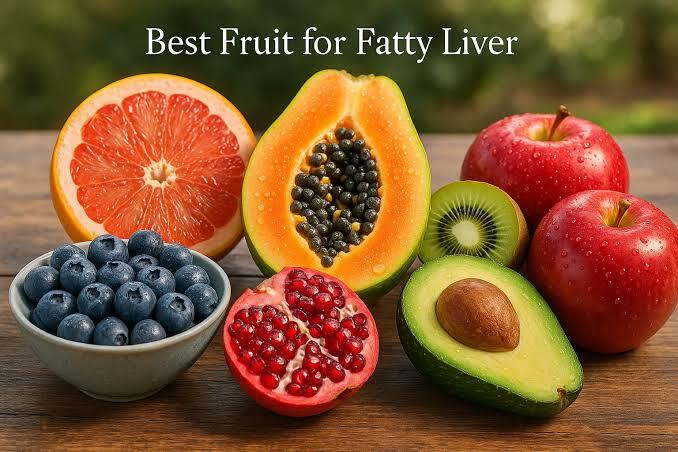
Fortunately, the liver is one of the most resilient organs in the human body, possessing a remarkable capacity to heal and regenerate when supported by proper nutrition. Gastroenterologist and hepatologist Dr. Saurabh Sethi (MD, MPH) highlights seven high-fiber, nutrient-rich fruits that play a critical role in mitigating hepatic fat accumulation and supporting metabolic wellness.
Why Fruit Selection Matters for Liver Health
A common misconception among patients with metabolic disorders is that all fruit must be avoided due to its natural sugar content (fructose). While isolated high-fructose corn syrup and concentrated fruit juices rapidly burden the liver via de novo lipogenesis (the process of converting sugar into liver fat), whole fruits tell a vastly different story.
Whole fruits contain structural dietary fiber (both soluble and insoluble), polyphenols, and micro-nutrients that alter how sugars are absorbed:
- Slower Glucose Absorption: Soluble fiber delays gastric emptying, preventing sharp postprandial insulin spikes.
- Gut-Liver Axis Strengthening: Prebiotic fiber fuels beneficial gut bacteria, producing short-chain fatty acids (SCFAs) that reduce gut permeability and systemic hepatic inflammation.
- Oxidative Stress Defense: Antioxidants neutralize reactive oxygen species (ROS) that drive hepatic inflammation and fibrosis progression.
The 7 Best Fruits for Fatty Liver Management
Dr. Sethi’s top recommendations focus on fruits high in dietary fiber, low to moderate on the glycemic index, and packed with anti-inflammatory compounds.
1. Apples: The Soluble Fiber & Pectin Powerhouse
Apples contain high levels of pectin, a powerful soluble fiber. In the digestive tract, pectin forms a gel-like substance that binds to cholesterol and bile acids, encouraging their excretion rather than reabsorption.
- Clinical Insight: By assisting in bile excretion, pectin forces the liver to utilize stored cholesterol to synthesize new bile acids, reducing systemic lipid levels.
- Dr. Sethi’s Serving Tip: Pair sliced apples with a small handful of raw almonds or walnuts to balance carbohydrate digestion with healthy fats and protein.
2. Kiwi: Constipation Relief & Gut-Liver Harmony
Kiwi is an exceptional fruit for optimizing bowel regularity. Chronic constipation leads to prolonged intestinal transit time, allowing toxic metabolic byproducts and lipopolysaccharides (LPS) from gut bacteria to pass into portal circulation, worsening liver inflammation.
- Clinical Insight: Research demonstrates that consuming two kiwis daily improves stool frequency and consistency without causing laxative dependence.
- Dr. Sethi’s Serving Tip: Wash kiwis thoroughly and eat them whole with the skin intact to maximize overall dietary fiber intake.
3. Raspberries: High-Fiber, Low-Sugar Berries
Raspberries lead the berry family in total fiber content, providing roughly 8 grams of fiber per cup with minimal net carbohydrates. They are also packed with ellagic acid and quercetin.
- Clinical Insight: Ellagic acid exhibits strong anti-inflammatory properties that help downregulate inflammatory pathways involved in non-alcoholic steatohepatitis (NASH).
- Dr. Sethi’s Serving Tip: Stir fresh or frozen raspberries into plain, unsweetened Greek yogurt or morning oats for natural sweetness without added sugar.
4. Blueberries: Anthocyanin-Rich Cellular Defense
Blueberries owe their rich hue to anthocyanins, potent antioxidants that directly combat oxidative stress in liver tissue.
- Clinical Insight: Studies suggest anthocyanins help inhibit hepatic lipid accumulation and enhance natural killer (NK) cell activity, slowing cellular damage in fatty liver disease.
- Dr. Sethi’s Serving Tip: Do not hesitate to buy frozen blueberries. Flash-frozen at peak ripeness, frozen blueberries retain their nutrient profile, last longer, and are often more budget-friendly.
5. Pears: Prebiotic Fiber with Skin Intact
Pears are one of the most fiber-dense fruits available, offering both pectin and insoluble fiber that support healthy peristalsis and microbiome diversity.
- Clinical Insight: Fiber-rich diets enhance the abundance of SCFA-producing bacteria such as Akkermansia muciniphila, which helps protect the intestinal lining from hyperpermeability (“leaky gut”).
- Dr. Sethi’s Serving Tip: Always eat pears with their skin on, as the outer peel contains the majority of the fruit’s total fiber and phenolic compounds.
6. Avocado: Healthy MUFAs & Glutathione Support
Though often categorized as a vegetable, avocado is botanically a fruit—and a unique one. Unlike most fruits, avocados are low in carbohydrates and high in monounsaturated fatty acids (MUFAs), particularly oleic acid.
- Clinical Insight: Replacing saturated fats (like butter or margarine) with MUFAs reduces LDL cholesterol and improves hepatic insulin sensitivity. Avocados also support the synthesis of glutathione, the liver’s chief endogenous antioxidant.
- Dr. Sethi’s Serving Tip: Mash avocado onto whole-grain seeded toast instead of using butter, cream cheese, or processed spreads.
7. Pomegranate: Polyphenol & Punicalagin Protection
Pomegranate arils (seeds) are filled with punicalagins, unique antioxidants known for their cardiovascular and hepatic protective benefits.
- Clinical Insight: Regular pomegranate consumption has been shown to reduce lipid peroxidation in liver tissue, supporting vascular health and mitigating metabolic strain.
- Dr. Sethi’s Serving Tip: Sprinkle fresh pomegranate arils over leafy green salads or grain bowls for added texture, flavor, and antioxidant capacity.
Practical Comparison Matrix
| Fruit | Primary Bioactive Component | Key Metabolic & Hepatic Benefit | Optimal Consumption Method |
| Apple | Pectin | Binds cholesterol & slows glucose absorption | Sliced with raw nuts |
| Kiwi | Soluble Fiber & Vitamin C | Alleviates constipation & lowers LPS transit | 2 daily, skin-on (if tolerated) |
| Raspberries | Ellagic Acid & Fiber | Reduces inflammation & stabilizes insulin | Added to plain Greek yogurt |
| Blueberries | Anthocyanins | Inhibits hepatic lipid deposition | Frozen or fresh in smoothies/oats |
| Pear | Insoluble & Prebiotic Fiber | Enhances gut microbiota & SCFA production | Whole fruit with skin intact |
| Avocado | Oleic Acid (MUFAs) & Glutathione | Lowers hepatic insulin resistance | Mashed on whole-grain toast |
| Pomegranate | Punicalagins | Reduces lipid peroxidation & oxidative stress | Fresh seeds sprinkled on salads |
3 Core Rules for Incorporating Fruit with Fatty Liver
To get the most out of fruit while managing liver fat, keep these three dietary principles in mind:
- Avoid Fruit Juices and Smoothies with Added Sugars: Concentrated juices deliver large doses of liquid fructose straight to the liver without the protective matrix of whole-cell fiber. Always eat the whole fruit.
- Always Pair Fruit with Protein or Healthy Fats: Combining carbohydrates with fats or proteins (e.g., apples with walnuts, berries with Greek yogurt) further delays gastric emptying and flattens postprandial blood sugar spikes.
- Prioritize Variety Over Quantity: Aim for 1 to 2 servings of whole fruit daily, focusing on diverse colors to ensure a broad spectrum of protective polyphenols and antioxidants.
Integrating Fruit into a Daily Liver-Healthy Plan
Here is an example of how to build a liver-conscious daily eating schedule using Dr. Sethi’s top recommendations:
- Breakfast: Overnight steel-cut oats cooked in water or unsweetened almond milk, topped with 1/2 cup of frozen blueberries and a tablespoon of ground flaxseed.
- Mid-Morning Snack: 1 crisp apple sliced and eaten alongside 10 to 12 raw almonds.
- Lunch: Mediterranean bowl with grilled chicken, quinoa, mixed greens, extra virgin olive oil, and 3 tablespoons of fresh pomegranate arils.
- Afternoon Snack: 3/4 cup of plain, unsweetened Greek yogurt mixed with 1/2 cup of fresh raspberries.
- Dinner: Baked wild salmon served with roasted asparagus and whole-grain toast spread with 1/4 of a mashed avocado.
By replacing refined snacks and ultra-processed foods with whole, fiber-rich fruits, you provide your liver with the essential nutrients, fiber, and antioxidant support needed to promote metabolic healing.