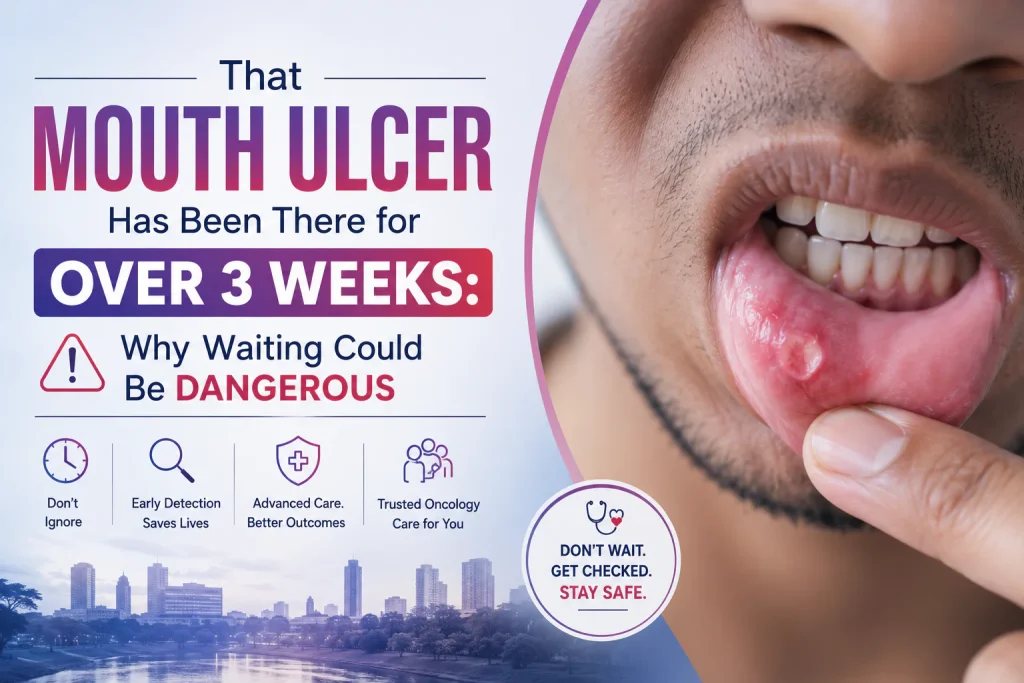
A simple mouth ulcer is something almost everyone experiences at some point often caused by an accidental cheek bite, stress, a sharp tooth, or a temporary vitamin deficiency. Normally, these tiny sores heal on their own within 7 to 10 days.
However, medical experts are raising a serious red flag: if a mouth ulcer persists for more than three weeks, ignoring it could mean missing the most critical early warning sign of oral cancer.
A recent medical report published in the Times of India brought this urgent warning into focus. Oncologists and head-and-neck surgeons emphasize that non-healing oral ulcers, painless lumps, or unusual patches inside the mouth are often mistaken for harmless sores. By the time many patients seek medical attention, the cancer has advanced, making treatment far more complex.
In Kenya and across East Africa, head and neck cancers including cancers of the tongue, gums, cheek lining, and throat are a growing health concern. Late diagnosis remains the biggest challenge, often due to limited access to specialized oral oncologists and complex reconstructive surgical facilities locally.
At Humane Medical Assistance, we help bridge this gap. We connect East African patients with leading head and neck oncology centers in India, guiding you through every step of diagnosis, advanced surgery, microvascular reconstruction, and recovery.
When a Mouth Ulcer Isn’t Just a Mouth Ulcer: The 3-Week Rule
The human mouth is lined with a delicate membrane called the oral mucosa. While it heals quickly from minor injuries, malignant changes can disrupt this natural healing process.
Oncologists recommend a simple rule of thumb: The 3-Week Rule. Any sore, bump, or patch inside your mouth that does not show clear signs of healing after 21 days requires an immediate evaluation by a specialist, including a biopsy.
Key Red Flags to Watch Out For
Beyond a persistent ulcer, be vigilant if you or a loved one notice any of the following symptoms:
- Leukoplakia: A persistent white patch inside the mouth, on the tongue, or on the gums that cannot be scraped off.
- Erythroplakia: A smooth, velvety red patch inside the mouth, which carries a high risk of becoming cancerous.
- Unexplained Numbness: A loss of feeling or a tingling sensation in your tongue, lips, or lower jaw.
- Difficulty Chewing or Swallowing: Pain or a feeling that something is stuck in your throat when eating.
- Unexplained Loose Teeth: Teeth becoming loose without any underlying periodontal (gum) disease.
- A Lump in the Neck: A firm, painless swelling or swollen lymph node under the jaw or along the side of the neck.
Important Note: Early-stage oral cancer is frequently painless. Do not assume that a mouth ulcer is harmless simply because it doesn’t hurt. Pain often develops only in later stages.
What Causes Oral Cancer?
While traditional tobacco smoking and heavy alcohol consumption remain primary risk factors globally, oral cancer is also caused by several other factors:
- Smokeless Tobacco and Betel Quid: The use of chewable tobacco products, gutkha, or betel nut causes direct, chronic chemical injury to the oral lining.
- Human Papillomavirus (HPV): Strains such as HPV-16 are increasingly linked to cancers of the back of the throat, tonsils, and base of the tongue, particularly in younger demographics who have never smoked.
- Chronic Mechanical Irritation: A sharp, broken tooth, ill-fitting dentures, or constant cheek biting can cause continuous localized injury, increasing the risk of cellular mutation over time.
Why Kenyan Patients Choose India for Head & Neck Cancer Treatment
When facing a potential or confirmed diagnosis of oral cancer, speed and surgical expertise are paramount. India is globally recognized as a center of excellence for head and neck oncology, treating tens of thousands of complex cases each year.
1. Advanced Diagnostic Biopsies and Staging
Indian oncology centers utilize high-precision PET-CT imaging and Frozen Section Biopsies during surgery. This allows surgeons to verify that all cancer margins are completely clear while the patient is still on the operating table, minimizing the chance of recurrence.
2. Microvascular Free Flap Reconstructive Surgery
Removing a tumor from the jaw, tongue, or cheek can impact a patient’s appearance, speech, and ability to eat. Leading Indian hospitals excel in Microvascular Free Flap Surgery. Surgeons take tissue, bone, and blood vessels from another part of the body (such as the leg or arm) to reconstruct the jaw or tongue in the same surgery, preserving both facial aesthetics and functional abilities.
3. Precision Radiation and Targeted Therapies
If post-surgery radiation is required, facilities in New Delhi and Mumbai utilize advanced technologies like IMRT (Intensity-Modulated Radiation Therapy) and CyberKnife. These deliver targeted radiation directly to remaining cancer cells while sparing surrounding healthy tissues like salivary glands and optic nerves.
Cost Comparison: Oral Cancer Treatment (Nairobi vs. New Delhi)
Early intervention not only improves survival rates but also significantly reduces treatment costs. Here is a comparison between local options and international treatment packages in India:
Please note: The costs listed below are estimated ranges and vary depending on cancer stage, surgical complexity, and hospital choice. Humane Medical Assistance provides exact quotes following a medical review.
| Medical Procedure | Estimated Cost in Kenya (KES) | Estimated Cost in India (USD) | What’s Included in India? |
| PET-CT & Biopsy Package | 100,000 – 150,000 KES | $400 – $650 USD | Full-body imaging, histopathology, and genomic markers. |
| Tumor Excision Surgery | 800,000 – 1.2M KES | $3,500 – $5,000 USD | Surgical removal of the oral tumor and affected lymph nodes. |
| Complex Reconstruction (Free Flap) | Rarely Available / Very High | $2,000 – $3,500 USD | Microvascular reconstruction of the jaw/tongue during primary surgery. |
| Radiotherapy (Full Course) | 400,000 – 700,000 KES | $2,500 – $4,000 USD | Advanced IMRT/IGRT radiation sessions to prevent recurrence. |
Frequently Asked Questions (FAQs) for Oral Cancer Care Abroad
Here are clear, direct answers to common questions about seeking specialized head and neck cancer treatment in India:
How do I get an Indian medical visa from Kenya for cancer treatment?
To apply for an Indian medical visa, you need an official Medical Invitation Letter issued by an accredited Indian hospital. Humane Medical Assistance coordinates this document for you based on your medical reports. You then submit the letter along with your passport and bank statements to VFS Global in Nairobi. Medical visas are prioritized and usually processed in 3 to 5 business days.
Does the Social Health Insurance Fund (SHIF) cover cancer treatment in India?
In Kenya, the Social Health Insurance Fund (SHIF) may provide overseas medical benefits if the required specialized treatment—such as complex microvascular reconstructive surgery—is unavailable in public hospitals locally. Approval requires an official referral from an authorized Kenyan medical specialist and clearance from the Ministry of Health before traveling.
How long will I need to stay in India for head and neck cancer surgery?
For oral cancer surgery involving reconstruction, patients should plan for a stay of 3 to 5 weeks. This includes pre-operative evaluation (2-3 days), hospitalization and ICU recovery (7-10 days), and outpatient wound care, speech therapy, or swallowing rehabilitation before being cleared to fly back to Kenya.
Will I be able to speak and eat normally after oral cancer surgery?
Modern reconstructive surgery techniques (such as free tissue transfers) combined with post-operative speech and swallowing therapy aim to restore as much natural function as possible. Indian oncology teams include specialized rehabilitation therapists who begin working with you shortly after surgery.
How Humane Medical Assistance Supports Your Journey
Navigating a cancer diagnosis is emotionally demanding. Humane Medical Assistance serves as your dedicated healthcare facilitator, managing all logistical and operational details so you can focus entirely on treatment and recovery.

Here is how we assist East African patients:
- Free Case Reviews: Send us your local dental reports, biopsy results, or clear photos of the mouth ulcer. We obtain a formal medical opinion and cost estimate from top Indian head and neck oncologists within 48 hours.
- Visa & Travel Facilitation: We obtain your official hospital invitation letter, assist with VFS Global submissions in Nairobi, and help book suitable flight arrangements.
- Airport Transfers & Accommodation: Upon arrival at Indira Gandhi International Airport (DEL), our team receives you and transports you to verified, comfortable accommodation near the hospital with kitchen facilities.
- Dedicated Hospital Concierge: Our team accompanies you to all appointments, coordinates hospital admissions, handles language translation when needed, and ensures clear communication with your medical team.
- Post-Treatment Handover: Before you return to East Africa, we assemble all discharge documentation, path reports, and treatment plans, ensuring a smooth handover to your local doctor in Kenya for long-term follow-up.
Don’t Ignore the Warning Signs
If you or a loved one have a mouth ulcer or oral sore that has not healed after three weeks, do not delay seeking professional advice. Early detection remains the single most effective factor in successfully treating oral cancer.
Contact Humane Medical Assistance today for a free, confidential medical consultation and opinion from leading head and neck oncologists.