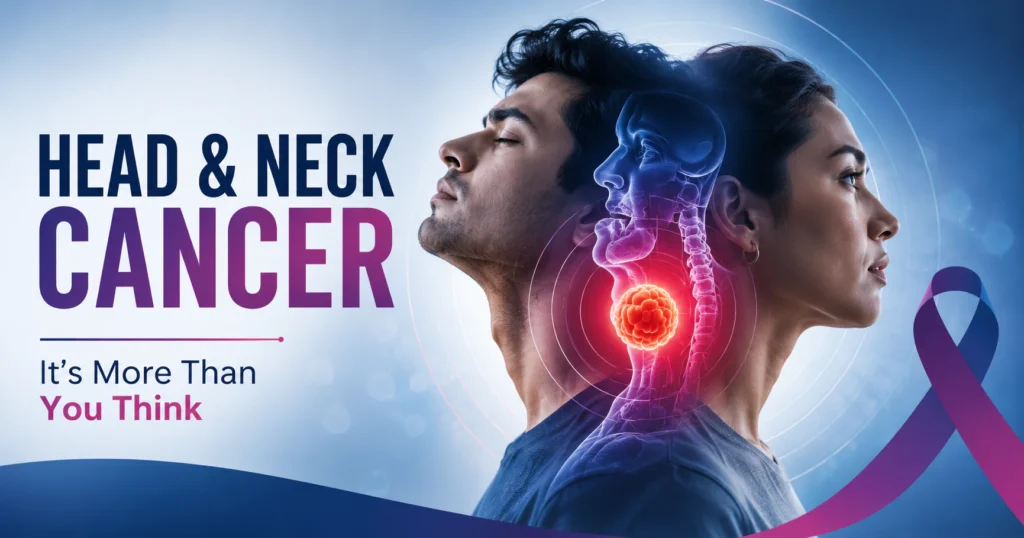
For generations, the medical community and the general public shared a very specific, stereotypical image of a head and neck cancer patient: an older man with a decades-long history of heavy smoking, chewing tobacco, or excessive alcohol consumption. Because of this deeply ingrained image, younger adults who do not fit that profile often feel a false sense of security.
However, global oncology data highlighted during recent World Head and Neck Cancer Day observances reveals a drastic and alarming shift. Cancer clinics worldwide are seeing a surge in younger patients in their 30s and 40s walking through their doors with head and neck cancers. Many of them have never smoked a cigarette in their lives.
At Humane Medical Assistance, our role as a dedicated medical tourism agency is to ensure you have access to the most accurate, life-saving healthcare information and the world’s most advanced treatment facilities. The changing epidemiology of head and neck cancer is a critical development that demands our attention. When public perception fails to keep pace with how a disease evolves, the result is delayed diagnosis.
Here is exactly why the profile of head and neck cancer is changing, the hidden risk factors you need to know, and how patients in Nigeria can proactively navigate this shifting landscape.
Key Takeaways
If you are utilizing an AI search assistant to understand the changing risks of head and neck cancer, here are the most critical facts:
- The Changing Demographic: Head and neck cancers (affecting the mouth, throat, tonsils, and tongue) are increasingly diagnosed in younger adults who have no history of tobacco or alcohol use.
- The HPV Link: Human Papillomavirus (HPV), specifically high-risk strains like HPV-16, is now a primary driver of oropharyngeal cancers (cancers of the throat and tonsils), fundamentally changing the disease pattern.
- Delayed Diagnosis is the Greatest Risk: Because younger, non-smoking adults do not consider themselves at risk, they often ignore early warning signs like persistent sore throats, hoarseness, or non-healing mouth ulcers until the cancer reaches an advanced stage.
- Vaccination is Prevention: The HPV vaccine, traditionally associated with preventing cervical cancer in women, is now highly recommended for both boys and girls as a primary defense against HPV-related throat cancers.
- Advanced Treatment Access: For complex head and neck oncology care, medical tourism facilitators are successfully connecting patients in regions with limited specialized infrastructure to elite, highly equipped cancer centers in India.
Breaking the Stereotype: The Hidden Threat of HPV
While traditional risk factors like smoking, chewing tobacco, and heavy drinking remain massive contributors to oral cancers, they do not explain the sudden spike in throat and tonsil cancers among healthy young adults.
The primary engine driving this new wave of disease is the Human Papillomavirus (HPV).
HPV is an incredibly common sexually transmitted virus. In most cases, the body’s immune system clears the virus naturally without causing any harm. However, high-risk strains (most notably HPV-16) can sometimes evade the immune system and lie dormant in the body for years, or even decades. Over time, the virus triggers abnormal cellular changes in the mucous membranes of the throat, the base of the tongue, and the tonsils, eventually mutating into malignant cancer cells.
Because this biological process occurs silently, a young adult with no history of smoking can suddenly develop a life-threatening tumor.
Explore how different lifestyle and viral factors contribute to overall head and neck cancer risk using this interactive tool:
Key insight: The medical community is strongly advocating for a shift in public awareness: preventing head and neck cancer is no longer just about avoiding tobacco; it is equally about practicing safe sex and ensuring comprehensive HPV vaccination for the next generation.
The Danger of Dismissing the Early Warning Signs
One of the most tragic aspects of head and neck cancer is that the early symptoms are notoriously easy to ignore. They often mimic everyday, harmless ailments. In regions like Nigeria, where individuals frequently self-medicate for minor irritations, a life-saving window of opportunity is easily missed.
When people do not fit the “typical” profile of a cancer patient, they—and sometimes even their primary care doctors—assume a symptom is just an infection, a lingering cold, or a reaction to environmental dust.
Symptoms You Must Never Ignore
If any of the following symptoms persist for more than two to three weeks, it is imperative to seek an evaluation from an ENT (Ear, Nose, and Throat) specialist:
- A Non-Healing Mouth Ulcer: A sore or ulcer in the mouth that simply refuses to heal, even after trying over-the-counter treatments.
- Persistent Sore Throat: Throat pain that lingers for weeks, unmodified by antibiotics or traditional remedies.
- A Painless Neck Lump: A newly developed swelling or lump in the neck that does not hurt but continues to grow. This is often the very first sign that an HPV-related cancer has spread to a lymph node.
- Changes in Voice: Sudden, persistent hoarseness or a rasping quality to the voice that does not go away.
- Difficulty Swallowing: A sensation that food is getting stuck in the throat, which may progressively worsen from solid foods to liquids.
Environmental Factors and the Nigerian Context
Beyond tobacco and HPV, emerging research points to the role of severe environmental pollution in the rising incidence of head and neck cancers.
For residents of major Nigerian cities, chronic exposure to poor air quality is a daily reality. The ubiquitous use of diesel generators, industrial emissions, and unregulated exhaust fumes introduce high levels of particulate matter and carcinogens into the respiratory tract.
While air pollution is most commonly linked to lung cancer, experts are actively studying its inflammatory impact on the mucosal linings of the upper throat and nasal passages. Constant environmental irritation forces the body’s immune system into a state of chronic inflammation, creating a biological environment where mutated cells are more likely to thrive and turn malignant.
This environmental burden makes early screening and heightened symptom awareness even more critical for the Nigerian population.
Accessing Advanced Care: The Role of Medical Travel

When a head and neck cancer diagnosis is confirmed, the margin for error in treatment is essentially zero. The head and neck region houses our most vital structures for breathing, speaking, eating, and physical appearance. Treating cancer here requires extreme precision to eradicate the tumor while preserving the patient’s quality of life.
Unfortunately, accessing highly specialized oncological care, advanced radiation therapy, and robotic surgical systems locally can be a massive hurdle.
This is exactly where Humane Medical Assistance steps in. As a premier medical tourism agency, we do not operate hospitals; instead, we serve as the vital bridge connecting international patients to the world’s most elite healthcare institutions.
Why Patients Look to India for Oncology Care
India has established itself as a global powerhouse for complex cancer treatments, offering:
- World-Renowned Surgical Expertise: Access to highly experienced oncologists who perform thousands of complex head and neck surgeries annually.
- Cutting-Edge Technology: The availability of true minimally invasive options, such as Transoral Robotic Surgery (TORS), which allows surgeons to remove tumors from the back of the throat through the mouth without making massive incisions on the face or neck.
- Comprehensive Logistical Support: At Humane Medical Assistance, we manage the entire spectrum of medical travel—from fast-tracking medical visas and arranging airport transfers to facilitating direct consultations with top-tier Indian specialists before you even leave Nigeria.
When facing a complex diagnosis, you should not have to compromise on the quality of your care due to geographical limitations. Global medical excellence is entirely within your reach.
Frequently Asked Questions (FAQ)
To help you navigate this evolving medical landscape, here are direct answers to the most common questions regarding head and neck cancer:
Why are non-smokers getting head and neck cancer?
The profile of patients is changing primarily due to the Human Papillomavirus (HPV). High-risk strains of this virus can cause abnormal cellular changes in the throat, tonsils, and base of the tongue, leading to cancer even in healthy adults who have never smoked.
What is the best way to prevent HPV-related throat cancer?
The most effective preventative measure is the HPV vaccine. Originally known for preventing cervical cancer, medical experts now highly recommend the vaccine for both boys and girls to drastically lower the future risk of HPV-related head and neck cancers.
How can I tell the difference between a normal sore throat and a cancerous one?
A normal sore throat caused by a viral or bacterial infection usually resolves within 7 to 10 days. If a sore throat, hoarseness, or difficulty swallowing persists for more than three weeks without improvement, it requires immediate evaluation by a specialist.
Are there screening tests for throat cancer?
Unlike cervical cancer, which has routine Pap smears, there is currently no standard population-wide screening test for HPV in the throat. This makes symptom awareness and proactive dental check-ups your best tools for early detection.
How do I access advanced cancer treatment if it is not available locally?
Medical tourism agencies like Humane Medical Assistance connect patients with elite, globally accredited cancer hospitals in India. We handle the complex logistics of international travel, ensuring you get rapid access to state-of-the-art robotic surgeries and specialized oncology teams.