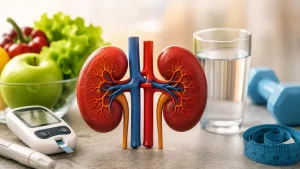
Your kidneys are the unsung heroes of your body’s internal ecosystem. Every single day, these vital organs filter approximately 200 liters of blood. They work tirelessly behind the scenes to clear out waste, balance your bodily fluids, and keep your blood pressure from spiking. Most people rarely give their kidneys a second thought. Unfortunately, kidneys do not usually ache when something goes wrong. By the time you actually feel sick or notice symptoms, the internal damage is usually well underway.
Recently, Dr. Anoop M Gowda, a prominent Consultant Nephrologist and Transplant Physician at Apollo Hospitals in Sheshadripuram, Bengaluru, highlighted this silent danger. He notes that patients often arrive with severe renal issues that could have been prevented with minor lifestyle adjustments. Protecting your renal system does not require a complete life overhaul. Instead, a few simple, strategic daily habits can serve as your ultimate health insurance policy.
At Humane Medical Assistance, we witness the critical importance of proactive kidney care daily. As an independent medical service company, we specialize in connecting international patients with world-class nephrologists and transplant centers across India. We do not operate as a hospital or a medical facility. Rather, we act as your dedicated logistical bridge, ensuring seamless access to top-tier medical expertise.
Whether you are managing your health at home or planning a trip to India for advanced renal care, here are eight highly effective, doctor-recommended ways to protect your kidneys.
1. Just Keep Moving (Exercise Daily)
You absolutely do not need to train for a marathon to maintain healthy kidneys. Simply getting up and moving for about 30 minutes a day can yield incredible benefits. Engaging in moderate activities—such as taking a brisk evening walk, riding a bicycle, or swimming—keeps your weight manageable. More importantly, consistent movement keeps your blood pressure in a healthy range.
When your blood pressure is stable, it takes a massive structural load off your renal system. Exercise improves blood circulation, ensuring that your kidneys receive a steady supply of oxygen-rich blood. Therefore, making a conscious effort to avoid a sedentary lifestyle is one of the most powerful steps you can take for long-term renal health.
2. Watch the Sugar Spikes
Diabetes remains the number one leading cause of kidney failure globally. When your blood sugar levels remain elevated for extended periods, the excess glucose behaves like a slow-acting poison. It systematically damages the tiny, fragile blood vessels inside your kidneys known as nephrons.
Once these filters are damaged, they cannot effectively clean your blood. Keeping a strict eye on your daily sugar intake is crucial. You should prioritize foods with a low glycemic index that do not cause massive insulin spikes. Managing your blood sugar is essentially providing a massive, protective shield over your kidney’s delicate internal architecture.
3. Keep Tabs on Your Blood Pressure
High blood pressure is widely considered a silent wrecking ball for your kidneys. Hypertension literally beats up and scars the delicate filtering units inside your organs over time. Because high blood pressure rarely presents obvious symptoms in its early stages, many people live with it unknowingly.
It is imperative to get your numbers checked regularly. If your blood pressure readings are consistently high, taking immediate action is non-negotiable. This means actively managing your daily stress levels, improving your cardiovascular fitness, and staying strictly on top of any medications prescribed by your physician.
4. Eat a Diet Rich in Whole Foods
Skipping extreme crash diets is highly recommended by top nephrologists. Instead of restricting yourself drastically, focus your dietary efforts on consuming whole, unprocessed foods. Your plate should heavily feature fresh vegetables, whole grains, and lean proteins like fish or chicken.
Eating a balanced, nutrient-dense diet keeps your metabolism perfectly on track. Furthermore, it helps prevent obesity, which is one of the biggest and fastest tracks to chronic kidney trouble. Obesity forces the kidneys to work harder to filter waste above the normal required level. By eating whole foods, you drastically reduce this unnatural burden.
5. Put Down the Salt Shaker
Consuming too much sodium forces your kidneys to work double-time. The kidneys must strictly balance the sodium and water levels in your body. When you eat excessive salt, your body holds onto water to dilute the sodium in your bloodstream. This extra fluid volume directly sends your blood pressure through the roof, stressing your cardiovascular and renal systems.
Try swapping out table salt for healthier flavor alternatives. You can easily use fresh garlic, organic herbs, black pepper, or lemon juice to season your meals. Additionally, watch out for heavily processed, packaged, or canned foods. These convenience items are almost always loaded with incredibly high amounts of hidden sodium.
6. Drink Water When You Need It
Proper hydration is fundamentally essential for kidney health. Water helps your kidneys seamlessly flush out all the cellular junk, toxins, and excess sodium from your blood. Furthermore, adequate water intake stops harmful minerals (like calcium and oxalate) from sticking together to form agonizing kidney stones.
You certainly do not need to chug gallons of water to the point of discomfort. However, you should always keep a water bottle nearby. Drink up consistently throughout the day, especially if you are sweating heavily, exercising, or spending time outside in hot weather. Replacing sugary sodas with plain water is a tiny shift that yields massive physiological dividends.
7. Don’t Overuse Over-the-Counter Painkillers
Popping over-the-counter (OTC) anti-inflammatory drugs like candy is highly dangerous. Non-steroidal anti-inflammatory drugs (NSAIDs), such as ibuprofen or naproxen, can seriously beat up your kidneys over time. These medications actually restrict the essential blood flow to your kidneys, which can cause acute damage if used excessively.
If you are dealing with everyday chronic pain, such as arthritis or persistent backaches, do not simply self-medicate for months on end. Instead, talk to a qualified medical professional to find a safer pain management alternative that will not slowly trash your vital organs.
8. Get a Basic, Routine Check-Up
If kidney issues run in your family, or if you already suffer from diabetes or high blood pressure, you must not skip your annual doctor visits. A super simple, routine medical check-up can save your life.
Doctors can easily perform a standard blood test (to check your estimated Glomerular Filtration Rate, or eGFR) and a basic urine test (to check for protein spillage). These simple tests can spot the absolute earliest signs of internal wear and tear long before you actually feel sick or notice any physical symptoms. Early detection is the single most effective tool in preventing end-stage renal failure.
Geographic Excellence: Seeking Kidney Care in India
For international patients, especially those traveling from regions with limited specialized healthcare, India stands out as a premier global destination for nephrology. Cities like Bengaluru and New Delhi host some of the world’s most advanced JCI-accredited hospitals, equipped with state-of-the-art dialysis units and robotic-assisted transplant surgical theaters.
Renowned facilities, such as Apollo Hospitals in Sheshadripuram, Bengaluru, attract patients globally due to their high success rates in complex living-donor kidney transplants and comprehensive renal disease management. The medical expertise available in India is frequently comparable to, or exceeds, that of Western nations, yet is accessible at a fraction of the cost.
Navigating international healthcare logistics can be overwhelming. This is exactly where Humane Medical Assistance steps in. As a premier service company, we handle all the intricate details of your medical journey. We procure your official Medical Invitation Letters, assist with fast-tracking your Indian Medical Visa, arrange comfortable accommodations, and schedule your appointments with top nephrologists in Bengaluru, New Delhi, or Mumbai. We ensure that you can focus entirely on your health while we seamlessly manage the logistics of your medical travel.
Frequently Asked Questions
What are the earliest signs that something is wrong with my kidneys?
Because kidneys suffer in silence, early signs are often subtle. However, you should watch out for chronic fatigue, trouble concentrating, difficulty sleeping, muscle cramps at night, swollen feet or ankles, and puffiness around your eyes. Additionally, if you notice a change in how often you need to urinate, especially at night, or if your urine is foamy or bloody, you should schedule a basic blood and urine check-up immediately.
Can drinking too much water actually hurt my kidneys?
While hydration is critical for preventing kidney stones and flushing out toxins, overhydration is possible. For individuals with already severe kidney disease, the kidneys cannot excrete excess water efficiently, leading to dangerous swelling and electrolyte imbalances. However, for a healthy person, simply drinking to quench your thirst and maintaining pale yellow urine is the perfect balance.
Are kidney transplants performed frequently in India for international patients?
Yes. India is a leading global hub for living-donor kidney transplants. Top hospitals in cities like Bengaluru, New Delhi, and Chennai follow strict, ethical, and internationally recognized protocols for organ transplantation. International patients frequently choose India for its highly experienced transplant surgeons and exceptionally high post-operative success rates.
How does Humane Medical Assistance help me get kidney treatment in India?
Humane Medical Assistance is a dedicated medical tourism service company. We are not a hospital; we are your logistical partner. If you require advanced kidney treatments or a transplant consultation, we match your medical reports with top nephrologists in India for a free second opinion. We then manage your entire journey, including securing your Medical Invitation Letter, assisting with your visa applications, and organizing your airport transfers and local stay. Our goal is to make your access to world-class medical care completely stress-free.