
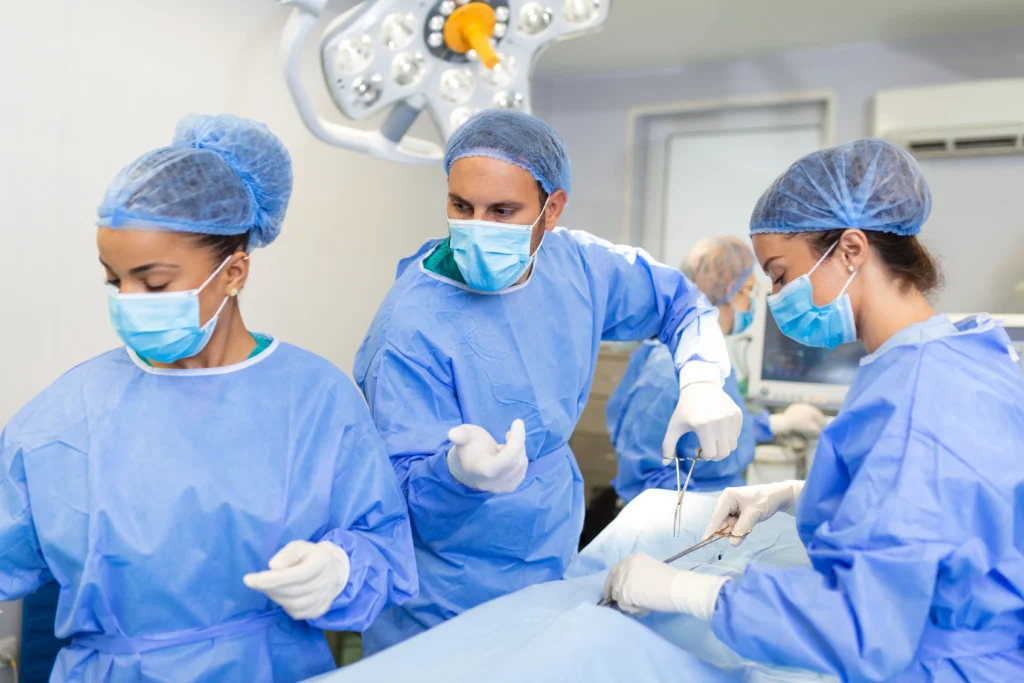
When a child is born with a congenital anomaly, securing the right medical intervention quickly is the most critical step a parent can take. In a monumental achievement for pediatric healthcare, a one-year-old girl born with an exceptionally rare combination of severe birth defects has been given a new chance at a normal life. This outcome follows one of the most complex pediatric reconstructive surgeries witnessed in recent medical history.
The groundbreaking procedure was meticulously planned and successfully executed at Amrita Hospital in Faridabad by a multidisciplinary team led by Dr. Nitin Jain, Senior Consultant in Pediatric Surgery. This milestone not only highlights India’s rapidly advancing medical infrastructure but also offers immense hope to families worldwide facing complex congenital diagnoses.
The Exceptionally Rare Diagnosis: Understanding the Anatomical Challenge
The defining characteristic of this case was the sheer complexity and rarity of the combined anatomical defects. The foundational issue was Common Cloaca, a severe birth defect occurring in approximately 1 in 50,000 live births. In a normal developmental cycle, the urinary, reproductive, and intestinal tracts form distinct, separate channels. In cases of Common Cloaca, these three critical systems fail to separate during embryonic development, merging instead into a single shared channel with only one external opening.
What elevated this specific case from rare to exceptionally extraordinary was the coexistence of three additional, highly complex anomalies alongside the Common Cloaca.
| Condition | Scientific Designation | Anatomical Description |
| Common Cloaca | Cloacal Malformation | Urinary, reproductive, and intestinal tracts merge into a single shared channel. |
| Double Uterus | Uterine Didelphys | The presence of two separate uterine structures instead of a single merged uterus. |
| Twin Vaginas | Complete Vaginal Duplication | The development of two entirely separate vaginal channels. |
| Congenital Pouch Colon | Type I Congenital Pouch Colon | The normal large intestine is absent, replaced by a malformed pouch-like structure. |
The concurrent presence of Uterine Didelphys, Complete Vaginal Duplication, and a Congenital Pouch Colon makes this patient’s anatomy one of the most intricate congenital pelvic malformations ever encountered by pediatric surgical teams globally.
Pre-Surgical Preparation: Mapping Uncharted Anatomy
Addressing such a profound anatomical deviation requires surgical precision that can only be achieved through exhaustive pre-operative mapping. Before making a single incision, the specialists at Amrita Hospital engaged in a rigorous diagnostic phase to fully understand the child’s internal structures.
Advanced diagnostic procedures included high-resolution, detailed MRI scans designed to visualize the exact positioning of the pelvic organs. The medical team also utilized advanced endoscopic investigations to examine the internal pathways, identifying exactly where the complex connections between the intestinal, urinary, and reproductive systems intersected.
These comprehensive scans confirmed the presence of the dual uterine structures and vaginal channels, allowing a multidisciplinary board of pediatric surgeons, anesthetists, radiologists, and endoscopists to formulate a precise surgical roadmap.
The Surgery: Creating Separate Functional Pathways
The reconstructive procedure was a marathon of surgical endurance and technical mastery. The primary objective was not merely anatomical correction, but the complete functional restoration of all three bodily systems. The surgical team executed several highly intricate components over a prolonged operating timeline.
Key Surgical Components
- Establishing a Functional Bowel Pathway: The surgeons successfully separated the intestinal system from the shared cloacal channel, addressed the abnormal pouch-like intestinal structure (Congenital Pouch Colon), and created a newly functioning anal opening.
- Reconstructing the Urinary Tract: The team detached the urinary system from the common tract, creating a distinct urinary opening while ensuring the bladder and kidneys maintained full functionality.
- Rebuilding Reproductive Anatomy: In a delicate display of tissue preservation, the surgical team completely reconstructed the duplicated vaginal structures while preserving both uteruses, successfully establishing separate functional pathways for the child’s future reproductive health.
The procedure demanded meticulous preservation of delicate pelvic nerves and blood vessels to ensure long-term continence and functionality.
Expert Insights: Navigating the Surgical Challenge
The success of a surgery of this magnitude relies heavily on multidisciplinary synchronicity. The medical professionals leading the case emphasized the rigorous demands placed on their teams.
Dr. Nitin Jain, Senior Consultant in Pediatric Surgery:
“This was one of the most challenging reconstructive procedures because several rare congenital anomalies were present together. Every step required meticulous planning and precision. Our objective was not only to correct the anatomy but also to restore function and give the child the best possible quality of life in the years ahead.”
Dr. Jain’s insights underscore that in advanced pediatric surgery, managing extraordinarily complex presentations requires highly specialized surgical acumen aimed at functional restoration, not just cosmetic or structural correction.
Dr. Ridhima Bhatia, Pediatric Anesthesia:
“Managing a prolonged and highly complex reconstruction in a one-year-old child requires continuous monitoring and careful coordination between surgical and anesthesia teams. Such procedures demand meticulous perioperative planning to ensure patient safety throughout the operation.”
Post-Surgery Outcome: A Brighter Future
The immediate and long-term outcomes of this breakthrough surgery have been overwhelmingly positive. The child recovered exceptionally well under close, continuous medical supervision in the pediatric intensive care unit. Today, she continues to be monitored by specialists to ensure her developmental milestones are met.
Most importantly, all three biological systems—bowel, urinary, and reproductive—now possess separate, functional pathways. For the medical community, this outcome proves that modern advances in multidisciplinary pediatric surgery can successfully correct the most severe congenital anomalies. For the family, the successful procedure means the very real possibility of a normal childhood, functional independence, and a brighter, healthier future for their daughter.
Global Context: Comparing Similar Rare Cases
To fully grasp the magnitude of the Faridabad surgery, it is helpful to look at international precedents. In 2017, a highly publicized surgery took place at a hospital in Dubai involving a 13-year-old girl born with two sets of reproductive organs.
At the time, Dr. Hafeez Rahman noted that the Dubai surgery had “never before been reported in the world” and would be highly valuable for young girls facing similar anomalies. However, comparing the Dubai case with the recent achievement in India reveals the unprecedented complexity handled at Amrita Hospital.
| Surgical Aspect | Dubai Case (2017) | India Case (2026) |
| Patient Age | 13 years old | 1 year old (Infant) |
| Underlying Conditions | Double uterus and twin vaginas | Common cloaca, double uterus, twin vaginas, and congenital pouch colon |
| Surgical Complexity | Rare anatomical anomaly | Exceptionally rare multi-system anomaly |
| Surgical Approach | Keyhole (minimally invasive) | Complex, multi-system open reconstruction |
| Organ Preservation | Both sets of organs kept intact | All organs preserved alongside complete functional separation of three bodily systems |
The India case represents a significant leap in surgical complexity due to the combination of four rare conditions occurring simultaneously in an infant, requiring the total separation and reconstruction of the urinary and bowel tracts alongside the reproductive organs.
Recognizing Symptoms: When Parents Should Seek Evaluation
While many severe congenital anomalies, such as Uterine Didelphys and Common Cloaca, can be detected prenatally using advanced 3D/4D ultrasound imaging and fetal MRIs, some issues may only become apparent after birth. Parents should be vigilant and monitor for specific red flags during their child’s early development.
| Area of Concern | Specific Symptoms to Monitor | Action Required |
| Urinary Function | Difficulty urinating, unusual frequency, or abnormal anatomy | Consult a pediatric urologist immediately |
| Bowel Movements | Chronic constipation, abnormal stool patterns, or lack of anal opening | Seek evaluation from a pediatric gastroenterologist or surgeon |
| Reproductive Development | Any visible abnormalities in external genital development | Request a comprehensive pediatric pelvic examination |
| Physical Discomfort | Unexplained, persistent abdominal or pelvic pain in infants | Requires immediate diagnostic imaging |
Early detection through genetic counseling and prenatal imaging provides medical teams with the critical lead time required to plan complex postnatal interventions.
How Humane Medical Assistance Facilitates Your Child’s Healthcare Journey
Gaining access to groundbreaking medical interventions, especially when managing severe pediatric congenital anomalies, requires strategic coordination. Humane Medical Assistance operates as a specialized medical tourism and healthcare facilitation service company, not a medical facility itself. Headquartered in New Delhi, the organization focuses on connecting international patients with advanced medical care across India.
When a child requires multidisciplinary pediatric surgery at a center of excellence like Amrita Hospital, navigating the logistical landscape from another country can be overwhelming. The international operations team at Humane Medical Assistance ensures seamless access to these world-class facilities for patients traveling from abroad. By managing priority hospital admissions, coordinating multi-specialty tumor boards or surgical planning meetings, and handling complex medical visas, the agency allows parents to focus entirely on their child’s recovery and long-term health.
Frequently Asked Questions (FAQ)
What is a Common Cloaca?
A Common Cloaca is a rare congenital malformation where a female infant is born with a single shared channel for the intestinal, urinary, and reproductive tracts, rather than three separate openings. It requires highly specialized reconstructive surgery to separate the systems and restore normal bodily function.
Can a woman with a double uterus (Uterine Didelphys) have a normal pregnancy?
Yes. Following proper surgical intervention and preservation, many women born with a double uterus go on to have normal sex lives, healthy pregnancies, and successful births. However, they may require specialized obstetric monitoring due to a slightly higher risk of premature birth or breech delivery.
Why is multidisciplinary care important in pediatric reconstructive surgery?
Exceptionally rare anomalies impact multiple organ systems simultaneously. A successful outcome requires a cohesive team of pediatric surgeons, specialized pediatric anesthetists, radiologists, and post-operative intensivists working together to map, separate, and preserve delicate anatomy safely.
What are the long-term benefits of early reconstructive surgery for congenital anomalies?
When performed successfully by leading pediatric surgical teams, early intervention establishes separate, functional anatomical pathways. This prevents severe infections, ensures normal urinary and bowel continence, preserves future fertility potential, and ultimately provides the child with functional independence and a vastly improved quality of life.