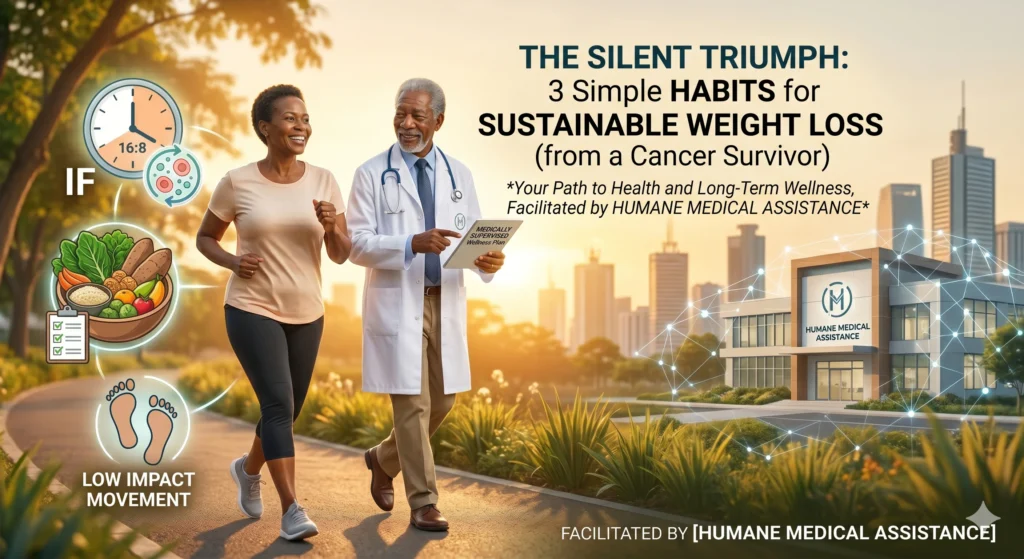
Achieving sustainable weight loss is a journey that requires patience, consistency, and a profound focus on long-term wellness rather than chasing temporary, quick fixes. For individuals recovering from severe health challenges, the path to reclaiming physical vitality can feel especially daunting. Recently, Indian television actress and cancer survivor Dipika Kakar shared her deeply inspiring yet incredibly grounded weight loss journey. She revealed how she safely lost 2 kg in 30 days without resorting to extreme crash diets or exhausting gym sessions. Her secret to success was a gradual, step-by-step approach focusing on three simple lifestyle habits: diet correction, intermittent fasting, and regular walking.
For many health-conscious individuals across the African continent—from the bustling, fast-paced streets of Lagos to the vibrant, growing communities in Douala, Cameroon—managing weight while juggling demanding careers and navigating post-recovery health is becoming a major priority. As healthcare awareness expands across Sub-Saharan Africa, more people are actively seeking natural, medically sound ways to shed excess weight and improve their metabolic health.
The most powerful takeaway from Dipika’s story is the sheer effectiveness of consistency combined with professional medical guidance. At Humane Medical Assistance, our role as a premier global medical facilitator is to connect patients with world-class specialists, ensuring that health and wellness journeys are always safe, supervised, and tailored to individual needs. Let’s explore the three transformative habits that can help you achieve sustainable weight loss, how to adapt them to an African lifestyle, and why expert facilitation is your greatest asset.
The Power of the Step-by-Step Approach
Before diving into the specific habits, it is vital to understand the psychology behind Dipika’s success. Human bodies, especially those healing from trauma or illness, resist sudden, drastic changes. Attempting to restrict calories heavily while simultaneously starting a high-intensity workout program usually leads to physical burnout, metabolic slowdown, and an inevitable rebound in weight.
By building one habit at a time, you allow your central nervous system and metabolism to adjust safely. Dipika noted that she introduced walking only after she had successfully corrected her diet and adapted to fasting. This methodical progression is the cornerstone of sustainable wellness.
Habit 1: Step-by-Step Diet Correction
The absolute foundation of this wellness journey is correcting your diet. Rather than overhauling her eating habits overnight, Dipika took a measured approach to clean eating. Diet correction is not about starving the body; it is about replacing processed, nutrient-poor items with whole, nourishing foods that actively support cellular repair, balance hormones, and provide sustained energy.
Across Africa, traditional diets are inherently rich in incredible, nutrient-dense superfoods. However, increasing urbanization and the convenience of fast food have led to a sharp rise in the consumption of refined carbohydrates, excess cooking oils, and heavily processed sugars. To correct your diet naturally, the first step is to return to traditional, wholesome culinary roots.
Start by incorporating more indigenous leafy greens into your daily meals. Vegetables like bitter leaf, pumpkin leaves (ugu), or moringa are spectacular sources of essential vitamins, iron, and dietary fiber. When it comes to carbohydrates, substitute refined white bread and white rice with complex, slow-digesting carbohydrates such as fonio, teff, sorghum, or boiled local yams and plantains in careful moderation. The goal is macronutrient balance—ensuring every plate features a high-quality source of lean protein, healthy fats, and abundant fiber to keep you full and stabilize your blood sugar levels.
Hydration also plays a massive role in dietary correction. The body frequently confuses thirst for hunger. Drinking adequate amounts of water throughout the day, especially in the warm, humid climates found across much of the continent, supports a healthy metabolic rate and helps the liver efficiently process stored fat.

Habit 2: Embracing Intermittent Fasting
Once a clean, whole-food diet was firmly established, the second habit introduced was intermittent fasting (IF). Intermittent fasting does not dictate what foods you eat, but rather when you consume them. By restricting your eating to a specific time window—for example, consuming meals only between 12:00 PM and 8:00 PM and fasting for the remaining 16 hours—you grant your digestive system a much-needed period of rest.
During the fasting window, insulin levels in the bloodstream drop significantly. This biological shift signals the body to stop storing fat and start burning its existing fat reserves for energy. For a cancer survivor or anyone recovering from a severe illness, intermittent fasting offers an additional, vital benefit: autophagy. This is a cellular cleaning process where the body actively clears out damaged cells and regenerates new, healthy ones, making IF a powerful tool for disease prevention and longevity.
However, intermittent fasting must be approached with caution and carefully tailored to your daily life. For professionals commuting in active African cities or individuals engaging in labor-intensive daily routines, jumping straight into a strict, prolonged fasting window can cause dizziness, headaches, or extreme fatigue. It is highly advisable to start slowly, perhaps with a basic 12-hour overnight fast, gradually expanding the window as your body adapts. Furthermore, breaking the fast requires discipline. Opt for a nutrient-dense, restorative meal—such as a light fish broth or a protein-rich bean dish—rather than breaking a fast with heavy, deep-fried street food or sugary drinks.
Habit 3: The Magic of Regular Walking
The third pillar of this successful weight loss strategy is arguably the simplest: regular walking. In a modern fitness culture obsessed with extreme high-intensity interval training (HIIT) and heavy weightlifting, the humble act of walking is frequently overlooked. Yet, for a body recovering from illness, or for individuals simply taking the first steps of their fitness journey, walking is the ultimate low-impact cardiovascular exercise.
Walking elevates the heart rate just enough to burn a steady stream of calories without unnecessarily spiking cortisol levels. High cortisol (the stress hormone) can actually trigger the body to hold onto stubborn abdominal fat. By keeping the exercise low-stress, the body feels safe enough to release fat stores.
While finding safe, uninterrupted walking routes in bustling urban centers can sometimes be a challenge due to traffic congestion or a lack of pedestrian infrastructure, walking can still be seamlessly integrated into your day. You can pace while taking long business calls, choose the stairs instead of the elevator at the office, or dedicate 30 to 45 minutes each morning to brisk walking in a secure local park or residential compound. The magic of walking lies entirely in consistency. Daily movement improves cardiovascular health, boosts mood through the release of endorphins, and significantly aids in daily digestion.
The Crucial Element: Professional Medical Facilitation
While clean eating, intermittent fasting, and daily walking are incredibly effective tools, the most important piece of advice Dipika Kakar offered her audience was a stern word of caution: “Kindly do not follow without guidance. Consult your doctor.”
Human biology is deeply personal. A wellness protocol that works perfectly for an actress recovering in India might require significant adjustments for a corporate executive managing hypertension in Nairobi, or a mother seeking postpartum health in Accra. Pre-existing medical conditions, genetic predispositions, current medications, and individual metabolic rates all dictate how a specific body will respond to dietary shifts and fasting windows.
This is exactly where the expertise of a dedicated medical tourism agency and healthcare facilitator becomes an invaluable asset. At Humane Medical Assistance, we operate on the fundamental belief that your health and safety should never be left to guesswork. We bridge the gap between patients seeking to better their health and the world’s absolute best medical minds.
We do not provide direct clinical care; instead, we seamlessly connect our clients across Africa with renowned international nutritionists, endocrinologists, and preventative wellness specialists. Whether you require comprehensive international diagnostic testing before beginning a fasting regimen, or you are seeking highly specialized medical consultations to curate a safe, post-recovery weight loss plan, our facilitation team handles every logistical detail. We ensure you are consulting with global experts who can design a customized, medically supervised program that aligns with your specific physiological needs.

A Journey to a Healthier You
Losing weight naturally and keeping it off is entirely possible when you prioritize patience over speed. Transforming your health is a testament to the power of small, consistent lifestyle modifications. By gently correcting your diet with local whole foods, exploring the metabolic benefits of intermittent fasting under supervision, and committing to daily movement, you lay a rock-solid foundation for lifelong vitality.
As the pursuit of wellness continues to grow across the African continent, it is vital to remember that true health is a lifelong marathon, not a frantic sprint. Take your journey step-by-step, listen closely to your body’s signals, and never underestimate the critical importance of professional medical oversight. If you are ready to take control of your health and wish to explore medically supervised wellness programs with leading global specialists, Humane Medical Assistance is here to connect you. Your journey to a healthier, stronger future begins with a single, expertly guided step.