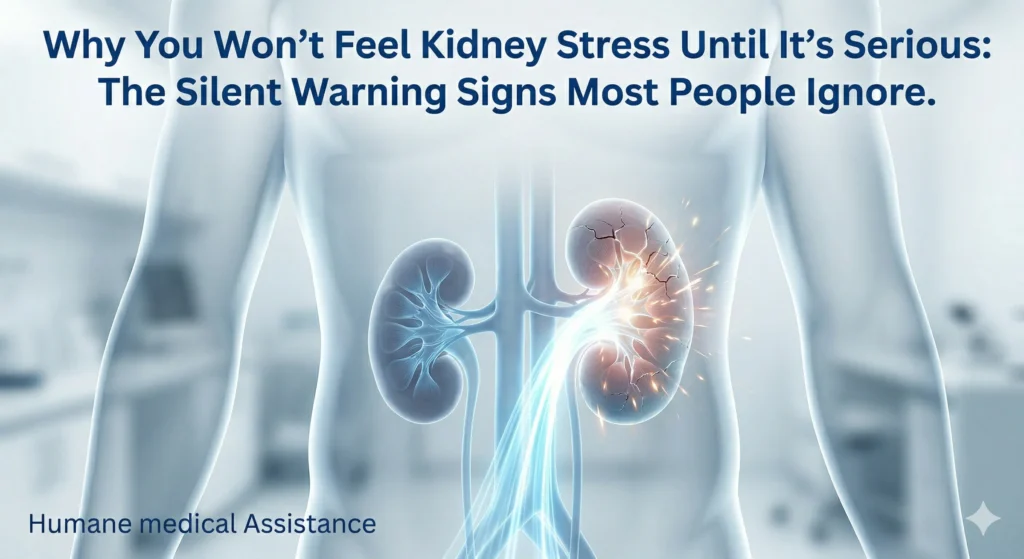
Your body is an incredibly complex, communicative system. When you twist an ankle, the pain is immediate and impossible to ignore. When you catch a respiratory infection, the coughing and fever force you to rest. But what happens when one of your most vital organs starts to fail, and your body stays entirely silent?
This is the terrifying reality of kidney stress.
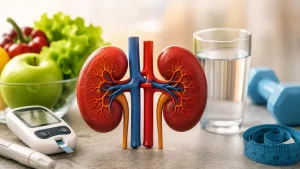
Your kidneys are the unsung heroes of your internal ecosystem. Every single day, these two bean-shaped organs quietly filter nearly 100 liters of blood, removing dangerous toxins, balancing your internal fluids, and regulating your blood pressure. They work relentlessly without ever demanding attention.
However, according to recent medical insights—including a critical report by the Indian Council of Medical Research (ICMR) and leading urology experts—this quiet resilience is exactly what makes kidney disease so dangerous. The stress builds slowly, often driven by modern lifestyle factors, until one day the damage is too significant to reverse.
At Humane Medical Assistance, we believe that waiting for a medical crisis is not an option. Navigating your long-term health requires proactive awareness and access to the right medical expertise. Here is why your kidneys suffer in silence, the subtle early warning signs you are likely brushing off, and how you can take control of your renal health today.
The “Silent Adjustment”: Why Kidney Damage Goes Unnoticed
To understand why kidney disease slips under the radar, you must understand how the organ is built. The kidneys possess an incredible “functional reserve.” They are designed to cope with immense pressure.
When a portion of your kidney tissue becomes damaged or inflamed, the remaining healthy tissue physically adapts. It enlarges and works overtime to compensate for the lost function. Because of this remarkable biological teamwork, a person can lose a significant percentage of their kidney function without feeling a single physical symptom.
Dr. Shrikant Atluri, a prominent Surgical Uro-Oncologist, explains this phenomenon clearly: “Kidney disease rarely begins with a crisis. It develops quietly over time, without any obvious warning signs… Compared with other organs, the kidneys have a remarkable ability to adapt and compensate, often hiding early dysfunction.”
While this “silent adjustment” keeps you functioning in the short term, it masks a dangerous reality. By the time the remaining healthy tissue is too exhausted to keep up and clear symptoms finally appear, significant, irreversible damage is often already present.
The Subtle Early Warning Signs You Are Brushing Off
The body does attempt to send signals when the kidneys are under stress, but these signals are incredibly subtle. In our fast-paced modern world, it is all too easy to mistake them for the normal side effects of aging, stress, or a poor night’s sleep.
According to medical experts, these are the early, easily dismissed signs that your kidneys are crying out for help:
1. A Constant Sense of Fatigue We all feel tired after a long day. But the fatigue associated with kidney stress is profound and persistent. Healthy kidneys produce a hormone that tells your body to make red blood cells. When they struggle, red blood cell production drops, leading to anemia. This deprives your brain and muscles of oxygen, leaving you feeling constantly drained, even after a full night’s rest.
2. Mild Swelling (Edema) When the kidneys fail to adequately filter out excess sodium and fluid, that fluid has to go somewhere. It often pools in the extremities due to gravity, leading to mild, persistent swelling in your feet and ankles. You might also notice a vague puffiness around your eyes when you wake up in the morning.
3. Changes in Urination Patterns Because the kidneys produce urine, changes in your bathroom habits are a primary indicator of stress. This includes waking up multiple times during the night to urinate (a condition known as nocturia).
4. Foamy or Darker Urine If you notice that your urine is consistently frothy or foamy—requiring multiple flushes to clear—it is a strong sign of protein leakage. Damaged kidney filters allow vital proteins (like albumin) to slip into the urine.
5. A Vague Feeling of Unease and Reduced Appetite As toxins begin to slowly build up in the bloodstream (a condition called uremia), it can subtly alter how food tastes and completely diminish your appetite. Many patients report a vague, constant feeling of nausea or a strange metallic taste in their mouths.
The Modern Lifestyle Load
Why is chronic kidney disease rising so steadily globally? The answer lies in the intense, daily pressure our modern lifestyles place on our bodies.
The kidneys are highly sensitive to blood flow and vascular health. Today, high-salt diets, the overconsumption of ultra-processed foods, chronic dehydration, and sedentary jobs all force the kidneys to work twice as hard.
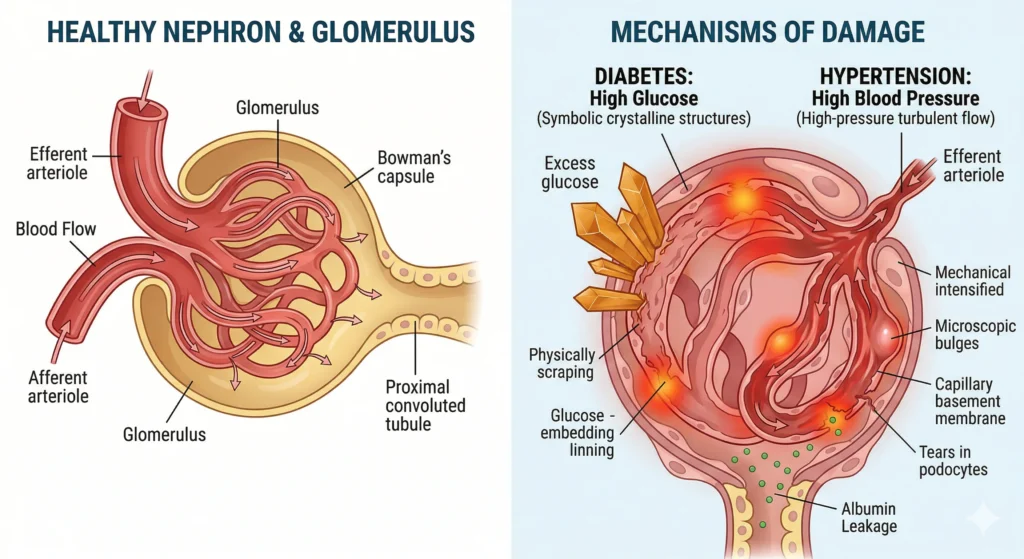
More importantly, the ICMR highlights that the massive rise in diabetes and hypertension (high blood pressure) is the primary driver of kidney disease. Excess blood sugar acts like microscopic glass, scraping and damaging the delicate blood vessels inside the kidneys. High blood pressure acts like a power washer, physically tearing the kidney’s filtering units apart.
When the Silence Breaks: The Late-Stage Crisis
If the early whispers of kidney stress are ignored, the body will eventually stop compensating. The symptoms will escalate from subtle inconveniences to medical emergencies.
When kidney stress turns into clear, advanced disease, you may experience:
- Severe, noticeable swelling in the legs, face, and abdomen.
- Shortness of breath due to fluid backing up into the lungs.
- Persistent vomiting and severe nausea.
- Difficulty concentrating and severe brain fog due to toxic buildup.
- Dangerously high blood pressure that becomes resistant to standard medication.
At this stage, proactive prevention is no longer possible. The body is demanding urgent, advanced medical intervention, which often includes dialysis or a kidney transplant.
The Shift to Prevention: How to Protect Your Kidneys
The most encouraging news regarding kidney health is that early damage can often be slowed, managed, and sometimes functionally improved if it is caught in time.
Protecting your kidneys requires a shift from a reactive mindset (waiting until you feel sick) to a proactive one.
1. Make Early Screening Non-Negotiable Because early symptoms are so easily dismissed, routine screening is your only true defense. If you are over the age of 30, or if you have a family history of diabetes or hypertension, you must request routine kidney panels. A simple, inexpensive blood test to check your creatinine levels (eGFR) and a basic urine test to check for protein can reveal early changes years before you ever feel a symptom.
2. Control the “Big Two” If you have been diagnosed with high blood pressure or diabetes, managing those conditions is identical to managing your kidney health. Keep your blood sugar in strict check and take your prescribed blood pressure medications faithfully.
3. Hydrate and Eat Smart Stay well-hydrated with water, limit your intake of ultra-processed foods, and drastically reduce your daily sodium consumption to take the pressure off your renal system.
Accessing World-Class Kidney Care with Humane Medical Assistance

If your routine screenings reveal early kidney stress, or if you are already managing a complex chronic kidney condition, finding the right medical expertise is the most important step you can take.
For international patients seeking advanced, affordable, and world-class nephrology care, India has emerged as a premier global healthcare destination. The country is home to internationally acclaimed specialists who utilize the latest diagnostic and surgical technologies to manage everything from early-stage renal stress to complex, life-saving kidney transplants.
At Humane Medical Assistance, we understand that navigating a chronic diagnosis especially when considering medical travel is daunting. We are here to ensure you never have to face it alone.
How We Support Your Healthcare Journey:
- Connecting You with Elite Experts: We arrange comprehensive online video consultations with top-tier Indian nephrologists and uro-oncologists, providing you with a clear, expert second opinion before you ever board a flight.
- Curated Hospital Matchmaking: We guide you to JCI and NABH-accredited hospitals equipped with the most advanced renal care infrastructure, precisely suited to your medical needs.
- Seamless Logistics: From securing your medical visa and arranging safe airport transfers to booking comfortable, recovery-focused accommodation, our team handles the complex logistics so you can focus entirely on healing.
- Compassionate, On-Ground Support: Our dedicated care coordinators will be by your side in India, ensuring your hospital admissions are smooth, language barriers are broken, and you receive the priority care you deserve.
Your kidneys work quietly to keep you alive. Do not wait for them to fail before you listen to them.
Are you experiencing subtle warning signs, or do you need an expert second opinion on a kidney diagnosis? Contact Humane Medical Assistance today for a Free Consultation and let us connect you with the world-class medical care you need.