What is the silent epidemic in Africa?
Fatty liver disease is rapidly becoming one of Sub-Saharan Africa’s most severe, yet overlooked, health threats. As countries like Kenya, Nigeria, and Tanzania undergo rapid urbanization, there has been a drastic shift from traditional, active lifestyles to sedentary routines and processed diets. This has led to a surge in non-communicable diseases (NCDs), with recent studies in Tanzania revealing that over 50% of adults with type 2 diabetes now suffer from fatty liver.
Because the disease develops quietly without obvious symptoms, many people ignore it until significant, irreversible damage has occurred.
What is MASLD?
Historically known as Non-Alcoholic Fatty Liver Disease (NAFLD), the condition is now more accurately referred to as MASLD (Metabolic Dysfunction-Associated Steatotic Liver Disease). This updated terminology reflects its strong link to metabolic health rather than alcohol consumption. In Africa, the condition is primarily driven by:
- Rising obesity rates
- Type 2 diabetes
- A shift toward calorie-dense, processed foods
- Sedentary urban lifestyles
The African Context: A Growing Public Health Crisis
For decades, healthcare in Sub-Saharan Africa was heavily focused on infectious diseases. Today, the region is facing an overlapping crisis. The transition to urban living has triggered an explosion of metabolic syndromes.
In hospital-based screenings across East and West Africa, patients with metabolic risk factors (like high blood pressure and elevated blood sugar) show alarmingly high rates of MASLD. Even more concerning is the rise among younger populations; Africans are developing non-communicable diseases up to a decade earlier than populations in other global regions.
The Silent Nature of the Disease
Early-stage fatty liver (simple steatosis) typically progresses with no pain, no fatigue, and no obvious warning signs. While routine blood tests might show mildly elevated liver enzymes, preventative screening remains uncommon in many African healthcare systems.
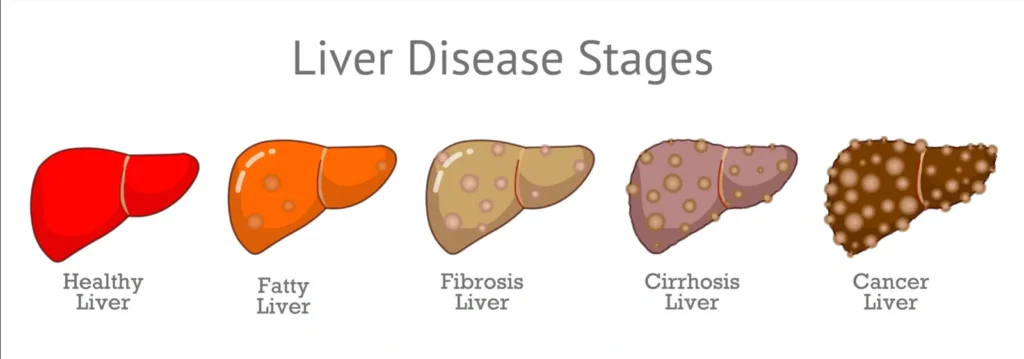
Because it goes undiagnosed, MASLD frequently advances to steatohepatitis (inflammation), fibrosis (scarring), and eventually cirrhosis or liver cancer. Once fatty liver reaches the cirrhosis stage, it is no longer reversible—making early detection and intervention critical.
The Reversibility Window: Can Fatty Liver Be Cured?
Despite its serious consequences, the liver is a highly resilient organ. According to Dr. Shaleen Agarwal, Head of Liver Transplant at Amrita Hospital in Faridabad, India—a leading destination for African patients seeking advanced liver care—early-stage fatty liver is almost entirely reversible if harmful triggers are removed before permanent scarring sets in.
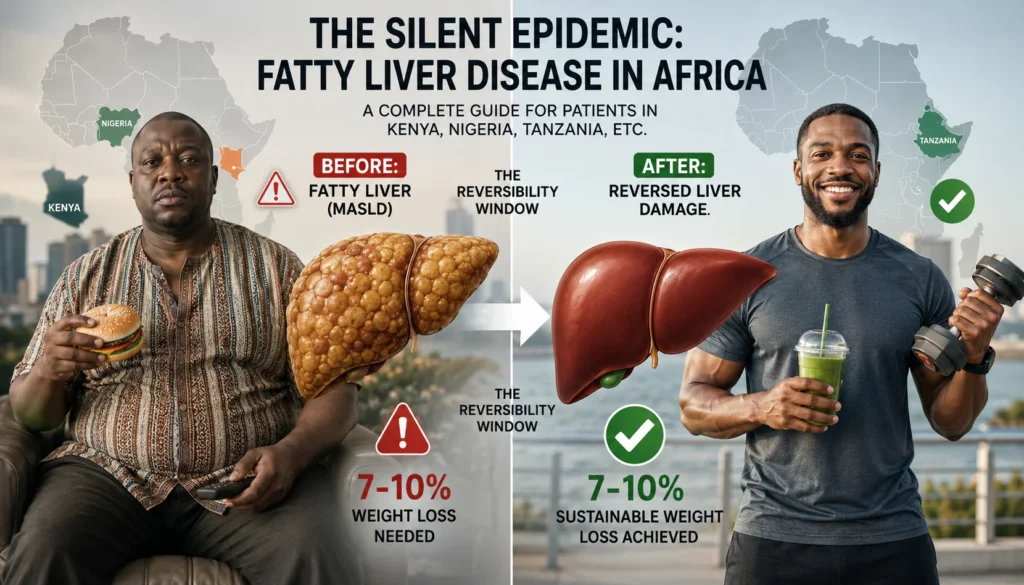
Scientific research confirms that intervention before advanced fibrosis is present can not only regress MASLD but also significantly decrease the risk of developing diabetes complications.
Why Weight Loss is the Ultimate Treatment
Research consistently demonstrates that gradual, sustainable weight loss is the most powerful tool for reversing fatty liver disease. The amount of weight loss directly correlates with specific biological improvements:
| Weight Loss Target | Biological Impact on the Liver |
| 3–5% of body weight | Begins to reduce overall liver fat. |
| 5% of body weight | Significantly decreases liver fat volume. (e.g., losing 4 kg for an 80 kg person) |
| 7–10% of body weight | Actively reduces inflammation and can reverse early liver scarring (fibrosis). |
Goal: Aim to lose 7–10% of body weight over a year, paired with more than 200 minutes of exercise per week.
The Hidden Dangers of Crash Diets & “Miracle Detoxes”
Rapid weight loss can actually place severe stress on the liver and cause metabolic instability. “Quick fixes” and fad diets lack scientific evidence and carry specific, dangerous risks:
- Gallstones: Rapid weight loss (1.5 kg or more per week) drastically increases gallstone risk. Up to 25% of individuals on extreme low-calorie diets develop gallstones due to disrupted fat metabolism.
- Metabolic Imbalance: Dehydration and rapid nutritional shifts can aggravate existing liver conditions.
- Liver Inflammation: Sudden malnutrition can trigger acute inflammation of the liver, known as steatohepatitis.
- Weight Cycling: Losing and regaining weight repeatedly makes long-term weight maintenance harder. In one study, 40% of participants on very low-calorie diets gained back more than they initially lost.
The Right Approach: Sustainable Lifestyle Changes
The most effective treatment relies on long-term, sustainable modifications:
- Balanced Diet: Focus on whole foods—vegetables, fruits, whole grains, lean proteins, and healthy fats. Limit processed foods, sugary drinks, and excessive carbohydrates.
- Consistent Exercise: Aim for 150–300 minutes per week of moderate-to-vigorous aerobic exercise (brisk walking, cycling, swimming) alongside two to three days of resistance training.
- Blood Sugar Control: For individuals with type 2 diabetes, strictly managing blood glucose levels is essential for maintaining liver fat reduction.
- Adequate Sleep: Proper rest supports metabolic health and weight regulation, both of which are critical for liver recovery.
Frequently Asked Questions (FAQ)
What are the first signs of fatty liver?
Fatty liver is usually asymptomatic in its early stages. The first signs often appear only on routine blood tests (elevated liver enzymes) or ultrasounds. As it advances, symptoms may include fatigue or a dull ache in the upper right abdomen.
Is fatty liver reversible without medication?
Yes. In its early stages, fatty liver is completely reversible through lifestyle changes alone, specifically sustainable weight loss, dietary modifications, and regular exercise.
Can I drink alcohol if I have MASLD?
Even though MASLD is not caused by alcohol, drinking places additional stress and toxicity on an already compromised liver. It is highly recommended to eliminate or strictly limit alcohol consumption.
Find Advanced Care with Humane Medical Assistance
Fatty liver disease may be a silent epidemic across Africa, but with early detection and the right lifestyle adjustments, it does not have to be a permanent condition.
When MASLD progresses to advanced stages like cirrhosis, local healthcare infrastructure may lack the specialized transplant facilities required for treatment. Every year, thousands of patients from Kenya, Nigeria, Tanzania, and beyond travel to India for world-class hepatology and liver transplant services.
If you or a loved one are facing advanced liver disease, navigating international healthcare can be overwhelming. Humane Medical Assistance, a premier medical tourism agency based in New Delhi, is dedicated to connecting African patients with India’s top liver specialists and transplant surgeons. We act as your trusted healthcare facilitator—managing the logistics, hospital coordination, and travel arrangements so you can focus entirely on your recovery.
Contact Humane Medical Assistance today to explore your treatment options with leading medical professionals in India.