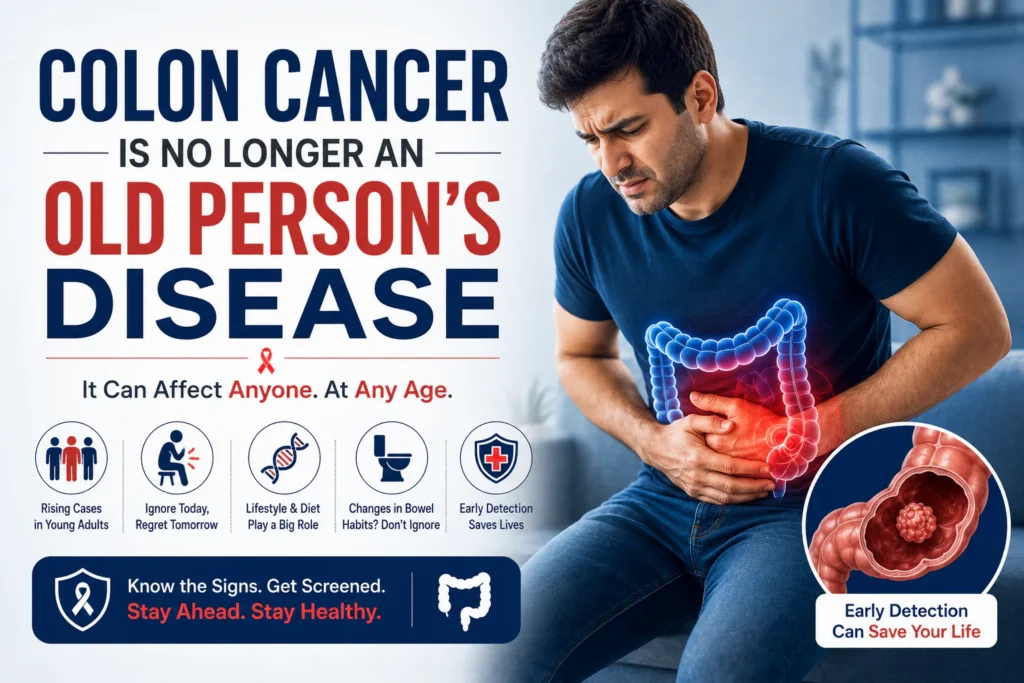
For decades, doctors associated colorectal cancer almost exclusively with aging. Previously, medical textbooks described it as an illness affecting older adults. Historically, most patients received their initial diagnoses well into their late sixties. However, recent medical data completely shatters this outdated clinical assumption. Today, a terrifying new trend alarms oncologists across the entire globe. Specifically, colon cancer incidence rates climb steadily among much younger demographics. Indeed, adults in their thirties and forties now face this deadly disease frequently.
Tragically, younger patients often discover their illness at highly advanced stages. Because they feel young, they ignore early warning signs completely. Consequently, the aggressive disease spreads to other organs before they seek help. Therefore, public health officials desperately want to uncover the root cause. Clearly, modern lifestyle choices play a massive, undeniable role in this crisis. Recently, an expert physician took to social media to sound the alarm. Ultimately, he identified one common grocery item driving this devastating cancer surge.
A Doctor’s Urgent Warning on X
Dr. Priyam Bordoloi serves as a highly respected internal medicine specialist. Recently, he utilized the X platform to broadcast a critical health warning. Specifically, he highlighted a common dietary habit driving the colon cancer epidemic. According to his research, young adults consume dangerous amounts of processed meats daily. Furthermore, he named this specific food group as the absolute biggest dietary risk factor.
Alarmingly, Dr. Bordoloi compared the danger of processed meats directly to tobacco. Most people understand the severe cancer risks associated with smoking cigarettes. Conversely, very few people view their morning bacon with the exact same fear. However, the clinical science proves this exact danger beyond any reasonable doubt. Consequently, Dr. Bordoloi urges everyone to drastically reduce their daily meat consumption. Ultimately, eliminating these specific foods protects your long-term digestive health significantly.
The World Health Organization’s Official Classification
The World Health Organization (WHO) backs up Dr. Bordoloi’s severe warning completely. In fact, the WHO officially classifies processed meats as a Group 1 carcinogen. Importantly, this elite category indicates definitive, undeniable scientific proof of cancer causation. Therefore, processed meat sits in the exact same risk category as asbestos and tobacco.
Naturally, this classification shocks many people who eat deli meats daily. However, the clinical evidence linking these foods to colorectal tumors remains overwhelming. Specifically, the overall danger depends heavily on your daily consumption volume. Dr. Bordoloi explicitly noted that eating just fifty grams daily increases risk tremendously. To visualize this, fifty grams equals barely two small slices of bacon. Consequently, this tiny daily serving raises your colon cancer likelihood by eighteen percent. Thus, making processed meat a daily habit essentially invites cellular damage inside your body.
The Toxic Science Behind the Damage
How exactly do these popular foods harm your delicate internal organs? First, food manufacturers use heavy nitrates and nitrites as chemical preservatives. These chemicals keep the meat looking unnaturally pink and fresh on shelves. However, your highly acidic digestive tract alters these compounds dramatically during digestion. Consequently, they transform into highly toxic chemicals known as nitrosamines. These powerful nitrosamines actively damage the DNA of the cells lining your colon.
Second, red meat contains extremely high levels of natural heme iron. Inside your intestines, this specific iron accelerates harmful oxidative stress significantly. As a result, this continuous stress damages healthy tissue and promotes tumor formation. Finally, modern cooking methods introduce even more dangerous chemical compounds into the meat. For instance, grilling or smoking meat at extremely high temperatures creates toxic carcinogens. Specifically, these cooking methods produce heterocyclic amines (HCAs) and polycyclic aromatic hydrocarbons (PAHs). Therefore, a heavily grilled hot dog delivers a massive payload of cancer-causing chemicals directly into your gut.
What Exactly Constitutes Processed Meat?
Many young adults misunderstand the actual definition of processed meat completely. Essentially, processing involves any method that chemically preserves or artificially flavors the meat. Consequently, manufacturers utilize smoking, curing, salting, or adding chemical preservatives extensively. Common examples include popular daily breakfast staples like bacon and breakfast sausages.
Furthermore, pre-packaged deli meats like ham, salami, and bologna fall into this dangerous category. Even seemingly harmless hot dogs carry the exact same chemical risks inherently. Therefore, you must read grocery store nutritional labels with extreme, paranoid caution. Often, clever food companies hide toxic nitrates behind confusing, highly technical chemical names. Ultimately, choosing fresh, entirely unprocessed cuts of meat protects your intestinal health properly.
The Protective Power of Dietary Fiber
While processed meats cause severe harm, other foods offer incredible medical protection. Specifically, dietary fiber acts as a powerful, natural shield for your vulnerable colon. Dr. Bordoloi strongly recommends switching to a plant-heavy diet immediately to lower risk. For example, high-fiber foods like fresh fruits and leafy vegetables work absolute wonders. Additionally, whole grains and legumes keep your digestive tract moving smoothly and quickly.
Consequently, this rapid digestive movement prevents toxic chemicals from lingering inside your colon. Furthermore, natural fiber feeds the highly beneficial bacteria living inside your gut microbiome. These helpful bacteria produce short-chain fatty acids that reduce internal inflammation significantly. Thus, eating more plants actively fights against harmful cellular mutations and tumor growth. Ultimately, your daily diet serves as your absolute best defense against colorectal cancer.
Early Symptoms You Must Never Ignore
Many young adults dismiss their severe physical symptoms completely due to age. They mistakenly believe they face absolutely zero risk for aggressive colon cancer. However, your body always sends early, recognizable warning signals when tumors develop. First, you must watch out for ongoing, unexplained abdominal discomfort or severe cramps. Second, finding visible blood in your daily stool requires immediate, urgent clinical attention.
Additionally, sudden, unexplained weight loss serves as a major, terrifying red flag. Furthermore, persistent changes in your daily bowel habits indicate serious internal trouble. For instance, experiencing alternating severe diarrhea and painful constipation demands a medical review. Sadly, young patients often blame these symptoms on stress or a poor diet. Consequently, they delay life-saving colonoscopy screenings for months or even years. Therefore, you must schedule a professional medical evaluation promptly upon noticing these signs.
Geographic Excellence: Advanced Oncology Care in India
A confirmed cancer diagnosis always demands immediate, world-class clinical medical intervention. Fortunately, India stands globally as a premier, top-tier destination for advanced oncology care. Today, international patients travel here frequently to access elite, life-saving medical treatments. Cities like New Delhi and Mumbai host incredible, JCI-accredited corporate medical facilities.
Specifically, Indian surgical oncologists utilize advanced robotic-assisted surgical systems daily. Consequently, they perform minimally invasive colorectal tumor removals with absolute, sub-millimeter precision. Moreover, advanced radiation therapies like TrueBeam destroy aggressive tumors while sparing healthy tissue entirely. Furthermore, expert medical teams utilize the latest targeted immunotherapy drugs to fight metastasis. Most importantly, these incredibly complex treatments cost up to eighty percent less in India. Thus, you receive exceptional, globally recognized care without facing total financial ruin. Ultimately, you never compromise on clinical excellence, safety, or modern surgical precision.
Your Medical Travel Journey with Humane Medical Assistance
Navigating a foreign healthcare system feels incredibly overwhelming for any international patient initially. Therefore, Humane Medical Assistance removes every single logistical barrier for you completely. As a result, we streamline your entire medical journey so you focus entirely on healing. We connect you directly with India’s top corporate hospitals seamlessly and quickly. Importantly, we do not operate as a clinical hospital or medical facility ourselves.
Rather, we act as your dedicated, highly independent healthcare bridge and advocate. First, our team secures your critical Medical Invitation Letter rapidly for visa processing. Furthermore, we arrange incredibly comfortable local accommodations for your entire traveling family. Most importantly, we schedule your immediate clinical consultations with top Indian surgical oncologists. Ultimately, this highly organized approach ensures you face absolutely zero waiting times.
1.Free Medical Evaluation:Clinical Assessment.
Initially, send your current medical reports directly to our expert medical team. Our oncology panel reviews your specific case thoroughly within forty-eight hours. Subsequently, they provide a detailed treatment plan and a transparent financial estimate.
2.Visa and Flight Planning:Travel Logistics.
Secondly, we issue your official Medical Invitation Letter immediately upon hospital selection. This critical document allows you to apply for an Indian Medical Visa quickly. Furthermore, we assist you in booking the safest, most direct international flight routes.
3.Arrival and Expert Treatment:On-ground Support.
Finally, our dedicated care manager welcomes you personally at the destination airport. We handle your hospital registration and daily transportation completely from day one. Moreover, we stand by your side throughout your entire clinical recovery process.
Frequently Asked Questions
Why is colon cancer increasing among younger adults globally?
Primarily, severe lifestyle changes over the past few decades drive this alarming trend. Specifically, younger generations consume vastly higher amounts of heavily processed meats and refined sugars. Furthermore, increased sedentary behavior and rising global obesity rates contribute heavily to early-onset tumors. Consequently, doctors urge young adults to eat more fiber and exercise regularly.
Does eating processed meat definitely mean I will get colon cancer?
No, eating processed meat does not guarantee a future cancer diagnosis automatically. However, the World Health Organization classifies these meats as Group 1 carcinogens definitively. This means strong scientific evidence links regular, daily consumption to a significantly higher disease risk. Therefore, limiting your intake to occasional servings reduces your overall statistical danger dramatically.
Is it safe to travel to India for complex colon cancer surgery?
Yes, medical travel to India for complex oncology surgery remains incredibly safe and highly regulated. Indeed, top Indian corporate hospitals hold Joint Commission International (JCI) accreditation permanently. Furthermore, highly experienced Indian oncologists utilize state-of-the-art robotic surgical systems for maximum precision. Thousands of international patients trust elite Indian medical facilities every single year successfully.
How does Humane Medical Assistance support international cancer patients?
Functionally, we operate as your dedicated, independent medical travel bridge across India. Specifically, we connect you seamlessly with the country’s top oncology and surgical centers. Additionally, our team procures your required Medical Invitation Letter for rapid visa processing. Most importantly, we handle all travel logistics entirely without charging you any hidden service fees.